Daily necessities: Ultrasonic cleaning machines can be used to clean glasses, jewelry (such as necklaces, rings, bracelets), watch straps, toothbrushes, braces, makeup brushes, badges, contact lenses, etc.
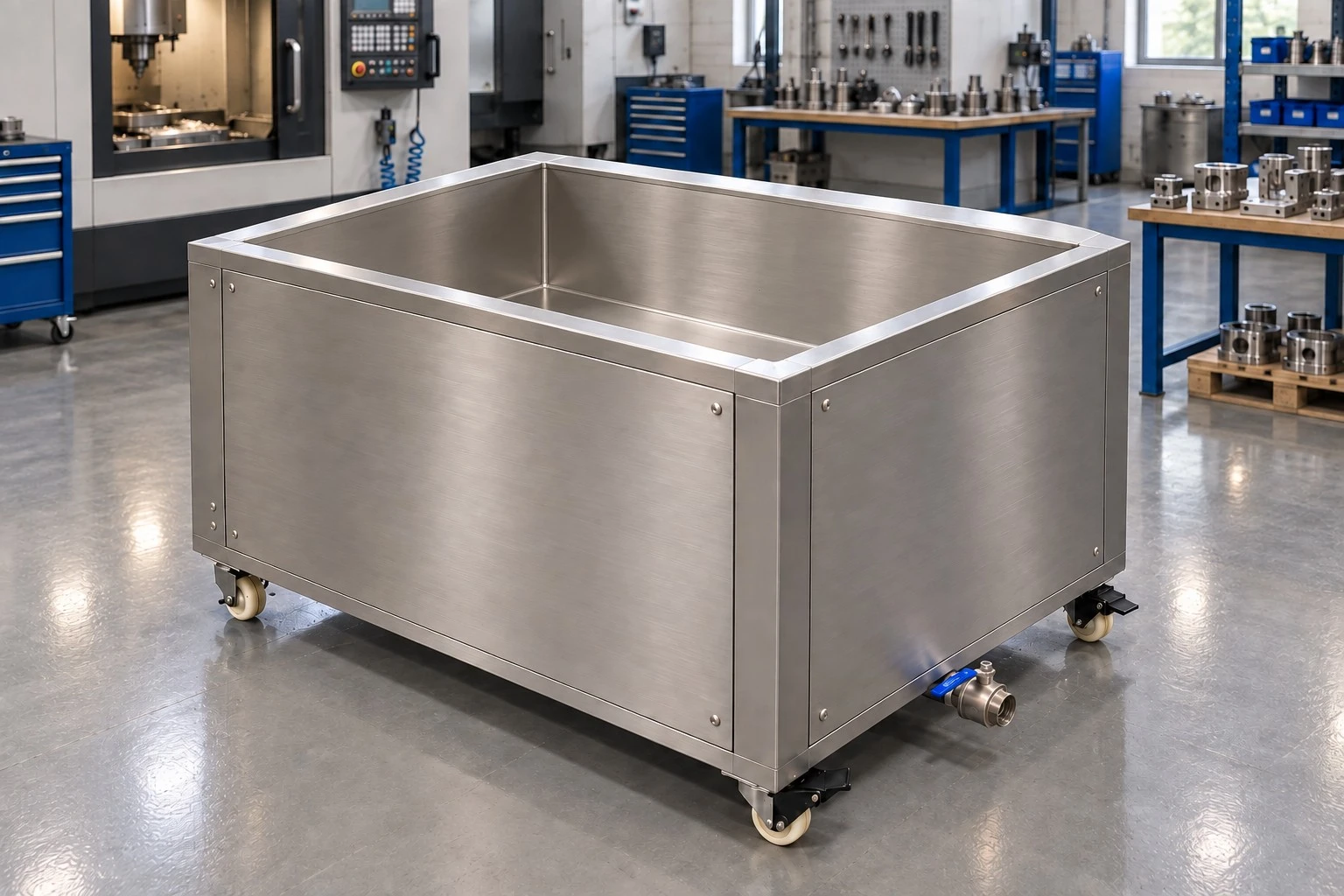
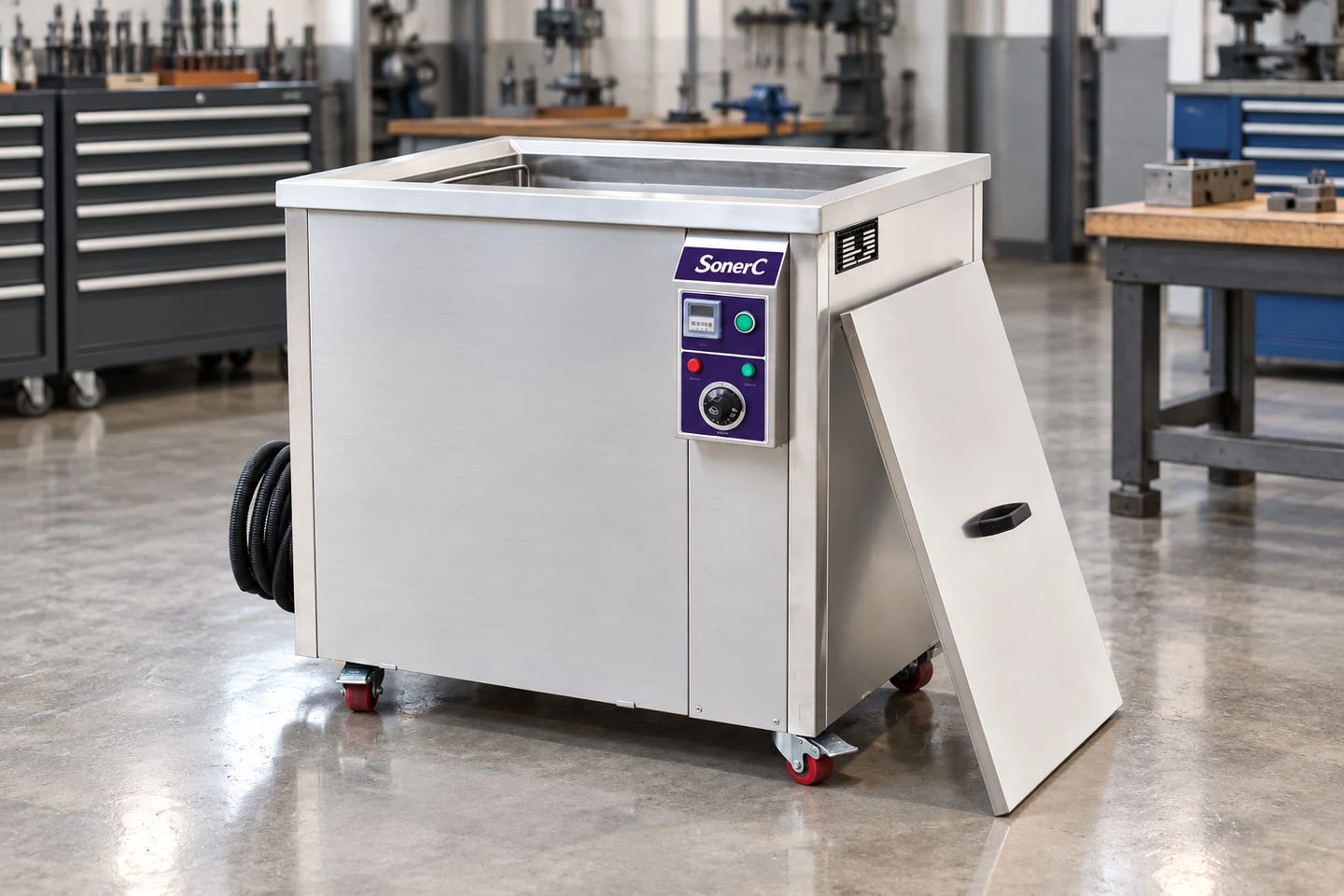
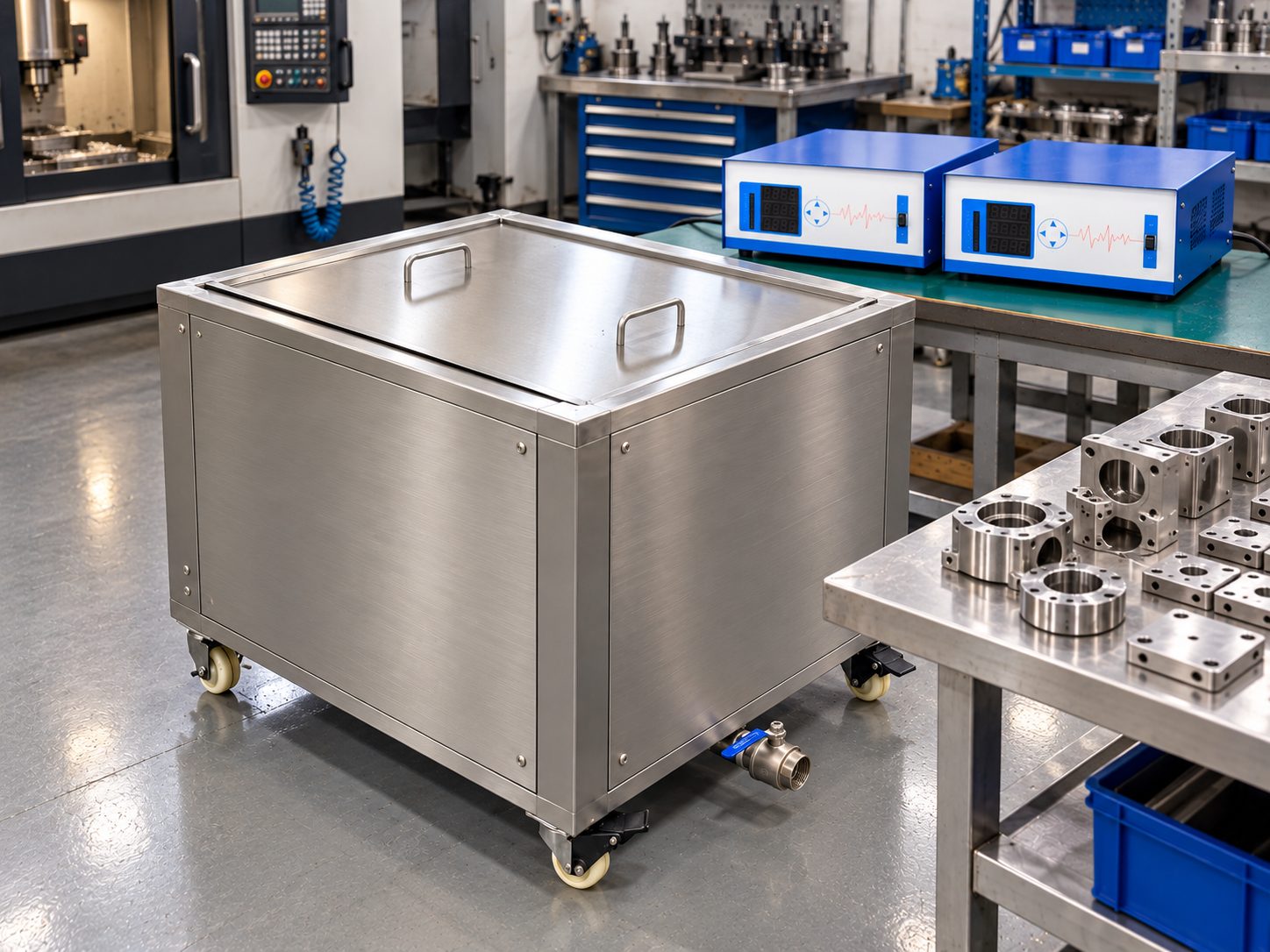
Mechanical components: In the industrial field, ultrasonic cleaning machines are commonly used for oil and rust removal of mechanical components, cleaning of engines, carburetors, and automotive parts, and cleaning of filters and screens.
Medical devices: Ultrasonic cleaning machines are widely used in the medical industry, which can penetrate into the small pores and concave parts of medical devices, thoroughly clean them, and avoid residual pollutants. It does not require the use of a large amount of chemical cleaning agents and can be cleaned by physical action, reducing the risk of erosion of instrument materials and avoiding the potential harm of chemical residues to patients and medical staff. Ultrasonic cleaning machines can also be used in combination with disinfectants to improve sterilization effectiveness, and are suitable for medical devices made of materials such as stainless steel, plastic, and glass.
Other applications: Ultrasonic cleaning machines are also used for cleaning electronic components, semiconductor silicon wafers, circuit boards, electroplated parts, optical laser lenses, audio heads, chemical fiber spinners, inkjet printers, glass containers, photographic equipment, communication equipment, etc.
Working principle: The ultrasonic cleaning machine emits ultrasonic waves in the liquid immersed in the workpiece, causing the liquid to produce ultrasonic oscillations, thereby driving the separation and suspension of dirt and bacteria on the surface of the workpiece in the cleaning solution, achieving thorough cleaning.