Hey there! As a supplier of Ultrasonic Auto Parts Cleaners, I've been getting a lot of questions lately about whether distilled water is better for ultrasonic auto parts cleaning. So, I thought I'd take some time to dive into this topic and share my thoughts and insights.


Let's start by understanding how ultrasonic cleaning works. Ultrasonic cleaners use high - frequency sound waves to create tiny bubbles in the cleaning solution. These bubbles implode, creating a scrubbing action that can remove dirt, grime, and contaminants from auto parts. The effectiveness of this process depends on several factors, including the type of cleaning solution used.
Why Consider Distilled Water?
Purity
One of the main advantages of using distilled water is its purity. Distilled water is free from minerals, salts, and other impurities that are commonly found in tap water. When you use tap water in an ultrasonic cleaner, these impurities can leave behind deposits on the auto parts after cleaning. Over time, these deposits can build up and cause corrosion or damage to the parts. With distilled water, you don't have to worry about this issue. It ensures that the parts come out clean without any unwanted residue.
Consistency
Another benefit of distilled water is its consistency. Since it doesn't contain variable amounts of minerals like tap water, you can expect more consistent cleaning results. This is especially important when you're dealing with high - precision auto parts where even a small amount of residue can affect their performance. The consistent nature of distilled water helps in achieving a more uniform cleaning across all the parts being cleaned.
Compatibility
Distilled water is also more compatible with many cleaning agents. Some cleaning agents may react with the minerals in tap water, reducing their effectiveness. By using distilled water, you can ensure that the cleaning agents work at their best, providing a more thorough cleaning of the auto parts.
However, There Are Some Drawbacks
Cost
The biggest drawback of using distilled water is the cost. Distilled water is more expensive than tap water, especially if you're using a large - capacity ultrasonic cleaner. For small - scale cleaning operations, the cost difference may not be significant. But for commercial auto parts cleaning facilities that use a lot of water, the cost can add up quickly.
Availability
Distilled water may also be less readily available than tap water. You may need to purchase it from a store or have it delivered, which can be inconvenient, especially if you need it in a hurry.
Comparing with Other Cleaning Solutions
Tap Water
As mentioned earlier, tap water contains minerals that can leave residue on the parts. It may also contain chlorine and other chemicals that can react with the parts or the cleaning agents. However, tap water is easily accessible and inexpensive. If the parts being cleaned are not very sensitive and don't require a high - level of cleanliness, tap water can still be a viable option.
Specialized Cleaning Solutions
There are also specialized cleaning solutions available in the market that are designed specifically for ultrasonic auto parts cleaning. These solutions often contain detergents, surfactants, and other additives that can enhance the cleaning process. They can be more effective in removing stubborn dirt and grease compared to just using water. However, they also come with their own set of costs and may require proper disposal to avoid environmental issues.
My Recommendation
If you're cleaning high - value, precision auto parts, I'd recommend using distilled water. The benefits of its purity, consistency, and compatibility with cleaning agents outweigh the cost and availability issues. For example, if you're cleaning engine components, fuel injectors, or other critical parts, the risk of leaving behind mineral deposits is too high to use tap water.
On the other hand, if you're cleaning less sensitive parts like brake calipers or exterior trim pieces, tap water may be sufficient. You can also use a combination of tap water and a good - quality cleaning agent to achieve satisfactory results.
Our Ultrasonic Auto Parts Cleaners
At our company, we offer a range of ultrasonic auto parts cleaners to meet different needs. Whether you're a small auto repair shop or a large - scale manufacturing facility, we've got you covered.
Check out our Ultrasonic Bike Chain Cleaner. It's perfect for cleaning bike chains, which can get really dirty and greasy. The ultrasonic technology ensures a thorough cleaning without having to disassemble the chain.
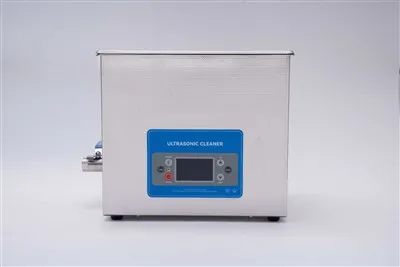
If you need to clean larger auto parts, our Large Ultrasonic Parts Cleaner is the way to go. It has a large capacity and can handle multiple parts at once, making it ideal for commercial cleaning operations.
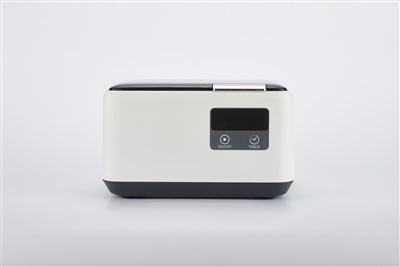
And of course, our Ultrasonic Parts Cleaner is a versatile option that can be used for a wide variety of auto parts. It combines the power of ultrasonic cleaning with user - friendly features, making it easy to use for both professionals and hobbyists.
Conclusion
So, is distilled water better for ultrasonic auto parts cleaning? Well, it depends on your specific needs and circumstances. If you're looking for the highest level of cleanliness, consistency, and compatibility with cleaning agents, then distilled water is the way to go. But if cost and availability are major concerns, you may need to consider other options.
If you're interested in purchasing an ultrasonic auto parts cleaner or have any questions about the cleaning process, feel free to reach out. We're here to help you make the best decision for your auto parts cleaning needs.
References
- "The Science of Ultrasonic Cleaning" - Journal of Industrial Cleaning
- "Comparative Study of Cleaning Solutions for Auto Parts" - Automotive Engineering Magazine
- "Water Quality and Its Impact on Auto Parts Cleaning" - International Journal of Auto Maintenance and Repair