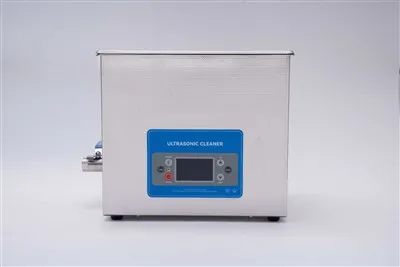
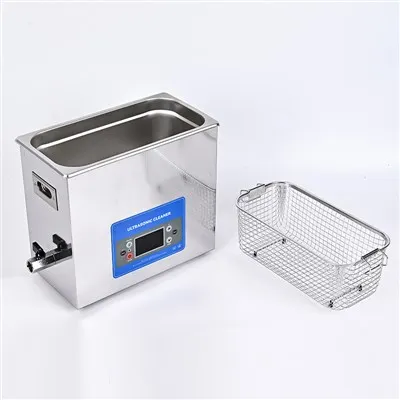
Hey there! As a supplier of 6L Ultrasonic Parts Cleaners, I often get asked about how to handle the waste liquid from these nifty machines. It's a crucial topic, as proper waste liquid management not only ensures environmental safety but also helps in maintaining the efficiency of the cleaning process. So, let's dive right in and explore the ins and outs of dealing with this waste.
First off, let's understand what's in that waste liquid. When you use a 6L Ultrasonic Parts Cleaner, it typically contains a mix of dirt, grease, debris, and whatever cleaning solution you've added. The cleaning solution can vary depending on what you're cleaning. For example, if you're cleaning bike parts, you might use a specialized bike cleaner. Check out Best Ultrasonic Cleaner for Bike Parts to find the ideal cleaner for your cycling gear.
Now, the first step in handling the waste liquid is determining whether it can be reused. In some cases, if the debris and contaminants are not too excessive, you can filter the waste liquid and reuse it. You can use a simple filtration system, like a fine mesh filter, to remove the larger particles. This not only saves money on buying new cleaning solution but also reduces waste.
However, there comes a point when the waste liquid becomes too dirty to reuse. That's when you need to dispose of it properly. One option is to separate the waste into different components. For instance, if the cleaning solution contains oil or grease, you can use an oil-water separator to separate the two. This way, you can recycle the oil if possible and dispose of the remaining liquid more responsibly.
Another important aspect is to check the local regulations regarding waste liquid disposal. Different areas have different rules, and it's crucial to comply with them to avoid any legal issues. Some places might require you to take the waste liquid to a specialized waste disposal facility, while others might allow you to treat it on-site and then discharge it into the sewer system under certain conditions.
If you're using the 6L Ultrasonic Parts Cleaner for gun parts cleaning, you need to be extra careful. The waste liquid might contain residues of gunpowder, lead, and other harmful substances. In such cases, it's best to follow the guidelines provided by the Ultrasonic Gun Parts Cleaner for Firearm Maintenance. These guidelines usually include proper handling and disposal methods to ensure safety.


When it comes to the cleaning solution itself, make sure to choose one that is environmentally friendly. There are many biodegradable and non-toxic cleaning solutions available in the market. These not only reduce the environmental impact but also make the waste liquid easier to handle and dispose of.
Now, let's talk about some practical tips for handling the waste liquid. Always wear appropriate protective gear, like gloves and goggles, when dealing with the waste. This protects you from any potential harm caused by the chemicals in the cleaning solution. Also, make sure to label the waste containers clearly to avoid any mix-ups.
If you're a business using the 6L Ultrasonic Parts Cleaner, it's a good idea to keep records of your waste liquid management. This includes details like when the waste was generated, how it was treated, and where it was disposed of. These records can be useful for audits and compliance purposes.
In addition to proper disposal, you can also take steps to minimize the amount of waste liquid generated in the first place. One way is to pre-clean the parts before putting them in the ultrasonic cleaner. This removes the larger dirt and debris, reducing the amount of contaminants that end up in the waste liquid.
Another tip is to use the right amount of cleaning solution. Using too much can not only be wasteful but also make the waste liquid more difficult to handle. Follow the manufacturer's instructions on the recommended amount of cleaning solution for your 6L Ultrasonic Parts Cleaner.
If you're looking for a powerful and efficient 6L Ultrasonic Parts Cleaner, check out our Powerful Ultrasonic Parts Cleaner. It's designed to provide excellent cleaning results while minimizing the amount of waste generated.
To sum it up, handling the waste liquid from a 6L Ultrasonic Parts Cleaner requires a combination of proper filtration, separation, disposal, and compliance with local regulations. By following these steps, you can ensure that you're not only taking care of the environment but also getting the most out of your cleaning process.
If you have any questions about our 6L Ultrasonic Parts Cleaners or need more information on waste liquid management, feel free to reach out. We're here to help you make the best decisions for your cleaning needs. Whether you're a small business or an individual looking for a reliable cleaning solution, we've got you covered.
References
- General knowledge on ultrasonic cleaner waste management
- Manufacturer guidelines for 6L Ultrasonic Parts Cleaners
- Local environmental regulations on waste liquid disposal