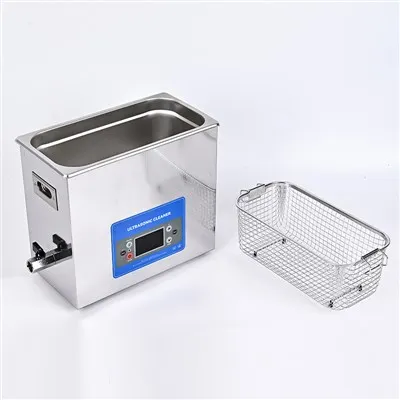
When it comes to maintaining the cleanliness and functionality of various items, ultrasonic cleaners have emerged as a revolutionary solution. As a trusted ultrasonic cleaner supplier, we understand the importance of ensuring that these devices work properly to deliver optimal cleaning results. In this blog post, we'll explore how you can check if an ultrasonic cleaner is in good working order, so you can continue to enjoy the benefits of efficient and effective cleaning.
Visual Inspection
The first step in checking your ultrasonic cleaner is a simple visual inspection. Start by examining the exterior of the cleaner for any visible signs of damage, such as cracks, dents, or loose parts. These physical damages can potentially affect the internal components and the overall performance of the device.
Next, inspect the power cable. Look for frayed wires, exposed conductors, or damaged plugs. A faulty power cable can pose a safety hazard and prevent the cleaner from receiving power. If you notice any issues with the cable, it should be replaced immediately by a qualified technician or a brand - approved cable.
Inside the cleaning tank, check for any debris, residue, or buildup. Over time, particles from the cleaned items can accumulate at the bottom of the tank, which can not only reduce the cleaning efficiency but also damage the ultrasonic transducers. If you find a significant amount of debris, clean the tank thoroughly with mild detergent and water.
Power and Functionality Test
Once the visual inspection is complete, it's time to test the power and basic functionality of the ultrasonic cleaner. First, make sure the cleaner is placed on a stable, flat surface, and the tank is filled with the appropriate amount of cleaning solution. Most ultrasonic cleaners work best when the tank is filled to about two - thirds capacity.
Plug the cleaner into a grounded electrical outlet. Turn on the power switch. You should hear a soft humming sound, which indicates that the ultrasonic transducers are generating high - frequency sound waves. If there is no sound at all, check the power source to ensure it is working properly. You can try plugging another device into the same outlet to confirm.
Observe the water surface in the tank. When the ultrasonic cleaner is functioning correctly, you should see tiny bubbles forming and collapsing rapidly across the surface. This phenomenon is known as cavitation, and it is the key mechanism through which ultrasonic cleaners remove dirt and contaminants.
Cleaning Performance Test
The ultimate measure of an ultrasonic cleaner's effectiveness is its ability to clean items. Select a small, dirty item suitable for ultrasonic cleaning, such as a piece of jewelry or a small mechanical part. Place it in the cleaning solution in the tank. Set the cleaning time according to the manufacturer's instructions.
After the cleaning cycle is complete, remove the item from the tank and rinse it thoroughly with clean water. Inspect the item carefully. It should show a noticeable reduction in dirt, grime, and stains. If the item is still dirty or if the cleaning results are not satisfactory, there could be a problem with the cleaner.
Check the Control Panel
Many modern ultrasonic cleaners come with a control panel that allows you to adjust settings such as cleaning time, temperature, and power level. Test the buttons on the control panel to ensure they are functioning correctly. Press each button and observe if the corresponding setting changes on the display.
If your cleaner has a digital display, check for any error messages. Error codes can provide valuable information about what might be wrong with the device. Refer to the user manual to interpret the error codes and follow the suggested troubleshooting steps.
Example Products and Their Checks
At our company, we offer a wide range of ultrasonic cleaners, including the Powerful Ultrasonic Parts Cleaner. This cleaner is designed to handle large and stubbornly dirty parts. When checking its functionality, pay special attention to the power output and the cavitation intensity. Since it is meant for heavy - duty cleaning, the cleaning performance should be highly effective.
Our Portable Ultrasonic Jewelry Cleaner is more compact and focused on delicate items. For this cleaner, check the precision of the control panel settings and ensure that the cleaning process does not damage the precious jewelry. The frequency of this cleaner is usually optimized for gentle yet thorough cleaning of jewelry.
If you're into cycling, our Ultrasonic Bike Parts Cleaner | Chain, Cassette & Derailleur Ultrasonic Degreaseris a great choice. When testing this cleaner, make sure it can effectively remove the grease and dirt from bike parts. The cleaning tank should be large enough to accommodate bike chains, cassettes, and derailleurs comfortably.

Conclusion
Regularly checking if your ultrasonic cleaner is working properly is crucial for maintaining its performance and longevity. By following the steps outlined in this blog post, including visual inspection, power and functionality tests, cleaning performance evaluation, and control panel checks, you can ensure that your cleaner is in top - notch condition.
If you encounter any issues with your ultrasonic cleaner or if you're considering purchasing a new one, don't hesitate to reach out to us. We are dedicated to providing high - quality ultrasonic cleaners and excellent customer service. Whether you have questions about product selection, installation, or maintenance, our team of experts is ready to assist you. Contact us today to start a discussion about your ultrasonic cleaning needs.
Welcome to our website for more information: www.sonerc.com
References
- Manufacturer's manuals of ultrasonic cleaners
- Technical literature on ultrasonic cleaning technology
- Industry studies on the performance evaluation of ultrasonic cleaners