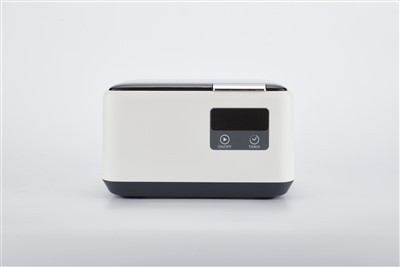
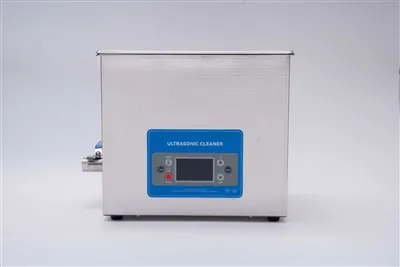
Determining how often to change the cleaning solution in an ultrasonic parts cleaner is a crucial aspect of maintaining efficient and effective cleaning operations. As a supplier of ultrasonic parts cleaners, I understand the significance of this question for our customers. In this blog post, I'll delve into the factors that influence the frequency of cleaning solution changes and provide some practical guidelines to help you make informed decisions.
Understanding the Role of Cleaning Solution in Ultrasonic Cleaning
Before discussing how often to change the cleaning solution, it's essential to understand its role in the ultrasonic cleaning process. Ultrasonic cleaners work by generating high - frequency sound waves that create tiny bubbles in the cleaning solution through a process called cavitation. When these bubbles collapse near the surface of the parts being cleaned, they produce a powerful scrubbing action that dislodges dirt, grease, and other contaminants.
The cleaning solution not only facilitates cavitation but also helps to dissolve and suspend the removed contaminants. Over time, however, the solution becomes saturated with these contaminants, which can reduce its cleaning effectiveness and the efficiency of the cavitation process.
Factors Affecting the Frequency of Cleaning Solution Changes
1. Contamination Level
The most obvious factor influencing how often you should change the cleaning solution is the level of contamination. If you're cleaning parts that are heavily soiled with grease, oil, or debris, the solution will become dirty much faster than if you're cleaning relatively clean parts. For example, in an automotive shop where engine parts are cleaned, the cleaning solution may need to be changed after every few cleaning cycles. On the other hand, a jewelry workshop cleaning lightly soiled pieces might be able to use the same solution for a longer period.


2. Type of Contaminants
Different types of contaminants can have varying effects on the cleaning solution. Some contaminants, like water - soluble salts, may dissolve easily in the solution and not cause significant issues until the solution becomes highly concentrated. Others, such as abrasive particles or sticky residues, can quickly degrade the solution's performance. For instance, if you're cleaning parts that have been exposed to industrial adhesives, the solution may lose its effectiveness more rapidly due to the sticky nature of the residue.
3. Cleaning Solution Concentration
The initial concentration of the cleaning solution also plays a role. A more concentrated solution may be able to handle more contaminants before it needs to be changed. However, using an overly concentrated solution can also lead to issues such as increased foaming or damage to the parts being cleaned. It's important to follow the manufacturer's recommendations for the correct concentration of the cleaning solution.
4. Frequency of Use
The more frequently you use the ultrasonic parts cleaner, the more often you'll need to change the cleaning solution. Continuous use will cause the solution to accumulate contaminants at a faster rate. For example, a high - volume manufacturing facility that runs the ultrasonic cleaner several times a day will need to change the solution more frequently than a small - scale hobbyist who uses the cleaner only occasionally.
5. Temperature
The temperature of the cleaning solution can affect its cleaning performance and the rate at which it becomes contaminated. Higher temperatures generally increase the chemical activity of the solution and the efficiency of the cavitation process. However, they can also cause the solution to evaporate more quickly and may accelerate the breakdown of the cleaning agents. Maintaining the optimal temperature recommended by the cleaner and solution manufacturers is crucial.
Practical Guidelines for Changing the Cleaning Solution
Based on the factors mentioned above, here are some general guidelines to help you determine how often to change the cleaning solution in your ultrasonic parts cleaner:
For Lightly Contaminated Parts
If you're cleaning parts that are only lightly soiled, such as jewelry or small electronic components, you can typically change the cleaning solution every 10 - 15 cleaning cycles. However, it's still a good idea to visually inspect the solution regularly for signs of cloudiness or debris.
For Moderately Contaminated Parts
For parts with a moderate level of contamination, like bicycle parts or small mechanical components, you may need to change the solution every 5 - 10 cleaning cycles. In this case, you can also use a filter to remove larger particles from the solution between changes, which can extend the life of the solution. Check out our Ultrasonic Cleaner For Bike Parts for an efficient solution in cleaning moderately soiled bike parts.
For Heavily Contaminated Parts
When cleaning heavily soiled parts, such as engine parts or industrial machinery components, the cleaning solution may need to be changed after every 1 - 3 cleaning cycles. In these situations, it's important to use a high - quality cleaning solution and to follow proper maintenance procedures to ensure the best cleaning results. Our Powerful Ultrasonic Parts Cleaner is designed to handle heavy - duty cleaning tasks effectively.
Monitoring the Cleaning Solution
In addition to following the general guidelines, it's important to monitor the cleaning solution regularly. Here are some ways to do this:
Visual Inspection
Regularly check the solution for signs of cloudiness, sediment, or floating debris. If the solution looks dirty or has a strong odor, it's probably time to change it.
Cleaning Performance
Pay attention to the cleaning performance of the ultrasonic cleaner. If you notice that the parts are not getting as clean as they used to, even after increasing the cleaning time, it could be a sign that the solution needs to be changed. You can learn more about optimizing the cleaning process in our article Cleaning Bike Parts With Ultrasonic Cleaner.
pH Testing
Some cleaning solutions require a specific pH range to work effectively. You can use pH test strips to monitor the pH of the solution and adjust it as needed. A significant change in pH may indicate that the solution is no longer suitable for use.
Conclusion
Determining how often to change the cleaning solution in an ultrasonic parts cleaner is not a one - size - fits - all answer. It depends on several factors, including the contamination level, type of contaminants, cleaning solution concentration, frequency of use, and temperature. By understanding these factors and following the practical guidelines provided, you can ensure that your ultrasonic parts cleaner operates at its best and that your parts are cleaned effectively.
If you have any questions about our ultrasonic parts cleaners or need more information on the best cleaning solutions for your specific applications, please don't hesitate to contact us. We're here to help you make the most of your ultrasonic cleaning equipment and achieve optimal cleaning results.
References
- "Ultrasonic Cleaning Handbook" by the Ultrasonic Cleaning Association
- Manufacturer's manuals for ultrasonic parts cleaners and cleaning solutions