Hey there! I'm a supplier of ultrasonic eyeglass cleaners, and I often get asked this question: Can an ultrasonic eyeglass cleaner be used for sunglasses? Well, let's dive right into it and find out.
First off, let's talk about how ultrasonic eyeglass cleaners work. These nifty devices use ultrasonic waves to create tiny bubbles in a cleaning solution. When these bubbles collapse, they generate a powerful scrubbing action that can remove dirt, grime, and even stubborn debris from the surface of your glasses. It's like having a mini cleaning crew working hard to make your eyewear sparkle.
Now, when it comes to sunglasses, the short answer is yes, in most cases, you can use an ultrasonic eyeglass cleaner to clean them. But there are a few things you need to keep in mind.
Types of Sunglasses
Not all sunglasses are created equal. There are different types of frames and lenses, and each may react differently to the cleaning process.


Frame Materials
- Plastic Frames: Most plastic frames are safe to clean in an ultrasonic cleaner. However, make sure the plastic is not of a low - quality type that might degrade over time. Some cheap plastics could be affected by the chemicals in the cleaning solution or the agitation from the ultrasonic waves.
- Metal Frames: Metal frames, such as those made of titanium or stainless steel, are generally fine. But be cautious with frames that have plated finishes or decorative elements. The plating could potentially be damaged by the ultrasonic action or the cleaning solution.
- Wooden Frames: Wooden frames are a big no - no. The ultrasonic waves and the water can cause the wood to warp, crack, or lose its finish.
Lens Types
- Regular Lenses: Non - coated lenses are usually safe to clean. The ultrasonic cleaner can effectively remove fingerprints, dust, and smudges from these lenses.
- Coated Lenses: This is where things get a bit tricky. Many sunglasses have anti - glare, scratch - resistant, or polarized coatings. While most ultrasonic cleaners won't damage these coatings if used correctly, there is a risk. For example, if the cleaning solution is too harsh or the cleaning time is too long, it could start to break down the coating.
Using the Right Cleaning Solution
The cleaning solution you use is crucial. You can't just use any old soap or detergent. There are special cleaning solutions designed for ultrasonic eyeglass cleaners. These solutions are formulated to be gentle on the frames and lenses while still being effective at removing dirt.
Avoid using solutions that contain harsh chemicals like bleach or ammonia. These can damage both the frames and the lenses, especially the coatings. If you're not sure which solution to use, check the manufacturer's instructions for your ultrasonic cleaner.
Cleaning Process
Here's a step - by - step guide on how to clean your sunglasses in an ultrasonic eyeglass cleaner:
- Prepare the Cleaner: Fill the cleaner with the appropriate amount of cleaning solution and water according to the instructions.
- Inspect Your Sunglasses: Check your sunglasses for any loose parts, such as screws or decorative elements. If you find any, it's best to fix them before cleaning to avoid losing them in the cleaner.
- Place the Sunglasses: Gently place your sunglasses in the cleaner, making sure they are fully submerged but not touching the sides or bottom of the cleaner too tightly.
- Set the Time: Most ultrasonic cleaners have different cleaning time settings. For sunglasses, start with a shorter time, like 2 - 3 minutes. You can always increase the time if needed.
- Start the Cleaning: Turn on the cleaner and let it do its job. You'll see the bubbles forming and the dirt being removed.
- Rinse and Dry: After the cleaning cycle is complete, carefully remove your sunglasses from the cleaner. Rinse them thoroughly under lukewarm water to remove any remaining cleaning solution. Then, pat them dry with a microfiber cloth.
Our Ultrasonic Eyeglass Cleaners
As a supplier, I offer a range of ultrasonic eyeglass cleaners to meet different needs.
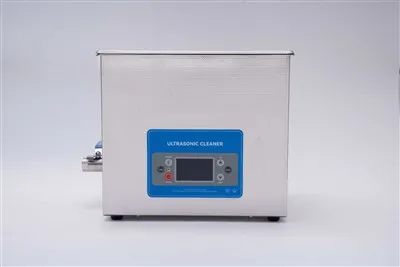
- Professional Ultrasonic Eyeglass Cleaner: This is for those who need a high - performance cleaner. It has advanced features like adjustable cleaning time and power settings, making it suitable for cleaning all types of eyewear, including sunglasses.
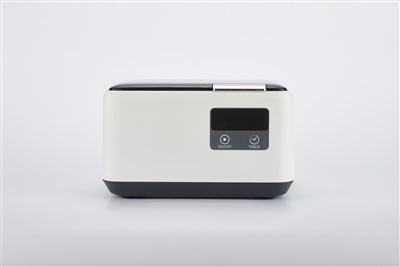
- Table Top Ultrasonic Eyeglass Cleaner: A more compact option that's perfect for home use. It's easy to set up on your table and can effectively clean your sunglasses without taking up too much space.
- Household Ultrasonic Eyeglass Cleaner: This is a budget - friendly choice for everyday cleaning. It may not have all the bells and whistles of the professional cleaner, but it still gets the job done.
When to Avoid Using an Ultrasonic Cleaner
There are some situations where you should avoid using an ultrasonic cleaner for your sunglasses:
- Newly Purchased Sunglasses: If your sunglasses are brand new, especially if they have a delicate coating, it's best to wait a while before using an ultrasonic cleaner. The coating may need some time to fully set.
- Damaged Sunglasses: If your sunglasses have cracks, chips, or other significant damage, cleaning them in an ultrasonic cleaner could make the damage worse.
Conclusion
So, can an ultrasonic eyeglass cleaner be used for sunglasses? Yes, but with caution. As long as you take the necessary precautions, such as using the right cleaning solution, checking the frame and lens materials, and following the proper cleaning process, you can safely clean your sunglasses and keep them looking great.
If you're interested in purchasing an ultrasonic eyeglass cleaner for your sunglasses or other eyewear, feel free to reach out. We're here to help you find the perfect cleaner for your needs and answer any questions you may have.
References
- "Eyewear Cleaning Guide", Optics Today Magazine, 2022
- Manufacturer's manuals for ultrasonic eyeglass cleaners