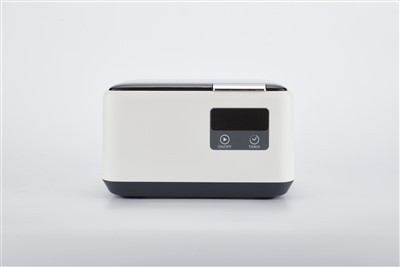
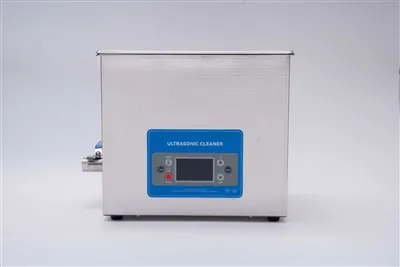
As a supplier of 6L ultrasonic parts cleaners, I often get asked about the heat dissipation performance of these devices. In this blog post, I'll delve into the intricacies of heat dissipation in 6L ultrasonic parts cleaners, explaining why it's important, how it works, and what factors can affect it.
Why is Heat Dissipation Important in Ultrasonic Parts Cleaners?
Ultrasonic parts cleaners work by generating high - frequency sound waves in a cleaning solution. These sound waves create tiny bubbles through a process called cavitation. When these bubbles collapse, they release a significant amount of energy, which helps to dislodge dirt, grease, and other contaminants from the parts being cleaned.
However, the cavitation process is not without its challenges. One of the main issues is the generation of heat. As the ultrasonic transducer continuously vibrates to produce the sound waves, it converts electrical energy into mechanical energy, and a portion of this energy is dissipated as heat. If the heat is not properly managed, it can lead to several problems.
Firstly, excessive heat can damage the ultrasonic transducer itself. The transducer is a delicate component, and high temperatures can cause the materials to expand, leading to misalignment or even permanent damage. Secondly, high temperatures can affect the cleaning solution. Some cleaning solutions may break down or evaporate at elevated temperatures, reducing their effectiveness. Finally, overheating can also pose a safety risk, potentially causing burns to the operator or even starting a fire in extreme cases.
How Does Heat Dissipation Work in a 6L Ultrasonic Parts Cleaner?
In a 6L ultrasonic parts cleaner, there are several mechanisms in place to ensure proper heat dissipation.
1. Heat Sink Design
Most ultrasonic parts cleaners are equipped with a heat sink. A heat sink is a passive heat exchanger that transfers the heat generated by the ultrasonic transducer to the surrounding environment. It usually consists of a metal plate or a series of fins with a large surface area. The heat from the transducer is conducted to the heat sink, and then dissipated into the air through convection.
The design of the heat sink is crucial for efficient heat dissipation. A well - designed heat sink will have a large surface area to maximize the contact with the air, and it will be made of a material with high thermal conductivity, such as aluminum or copper.
2. Cooling Fans
Some 6L ultrasonic parts cleaners also come with cooling fans. These fans help to increase the airflow around the heat sink, enhancing the convection process. By blowing air over the heat sink, the fans can carry away the heat more quickly, preventing the temperature from rising too high.
The fans are usually controlled by a thermostat. When the temperature inside the cleaner reaches a certain level, the thermostat activates the fan, and when the temperature drops below the set point, the fan is turned off. This helps to maintain a stable temperature inside the cleaner.


3. Liquid Cooling
In some advanced models, liquid cooling systems are used. These systems circulate a coolant, such as water or a special cooling fluid, around the ultrasonic transducer. The coolant absorbs the heat from the transducer and then transfers it to a radiator, where it is dissipated into the air.
Liquid cooling systems are more efficient than air - cooling systems, as liquids have a higher heat capacity than air. However, they are also more complex and expensive to implement.
Factors Affecting Heat Dissipation Performance
1. Ambient Temperature
The ambient temperature has a significant impact on the heat dissipation performance of a 6L ultrasonic parts cleaner. If the surrounding environment is already hot, it will be more difficult for the cleaner to dissipate heat. For example, if the cleaner is used in a hot workshop during the summer, the heat sink and fans will have to work harder to maintain a safe temperature.
2. Cleaning Solution
The type and volume of the cleaning solution can also affect heat dissipation. Some cleaning solutions have better thermal conductivity than others, which means they can absorb and transfer heat more effectively. Additionally, a larger volume of cleaning solution can act as a heat reservoir, helping to absorb some of the heat generated during the cleaning process.
3. Usage Frequency and Duration
If the 6L ultrasonic parts cleaner is used continuously for long periods of time, it will generate more heat. The transducer will be under constant stress, and the heat dissipation mechanisms may not be able to keep up. It is important to give the cleaner regular breaks to allow it to cool down.
Real - World Applications and Performance
Our 6L ultrasonic parts cleaners are designed to provide excellent heat dissipation performance in a variety of applications. For example, in the automotive industry, these cleaners are used to clean engine parts, carburetors, and other components. The high - frequency cavitation can effectively remove dirt, oil, and carbon deposits from these parts. Thanks to our advanced heat dissipation design, the cleaners can operate for extended periods without overheating, ensuring reliable and efficient cleaning.
In the cycling industry, our Ultrasonic Cleaner For Bike Parts is a popular choice. It can clean bike chains, gears, and other parts thoroughly. The proper heat dissipation ensures that the cleaning solution remains at an optimal temperature, maintaining its cleaning power.
If you are looking for a reliable 6L ultrasonic parts cleaner, our 6L Ultrasonic Parts Cleaner is a great option. We also offer Bulk Ultrasonic Automotive Parts Cleaners for large - scale industrial applications.
Conclusion
The heat dissipation performance of a 6L ultrasonic parts cleaner is a critical factor that affects its reliability, efficiency, and safety. Through the use of heat sinks, cooling fans, and in some cases, liquid cooling systems, these cleaners are designed to manage the heat generated during the cleaning process. However, factors such as ambient temperature, cleaning solution, and usage frequency can all impact the heat dissipation performance.
If you are interested in learning more about our 6L ultrasonic parts cleaners or have any questions regarding heat dissipation or other aspects of our products, please feel free to contact us for procurement and further discussions.
References
- Pohlman, R. F. (2009). Ultrasonic Cleaning Handbook. CRC Press.
- Graves, H. (2012). Industrial Ultrasonic Cleaning Technology. Elsevier.