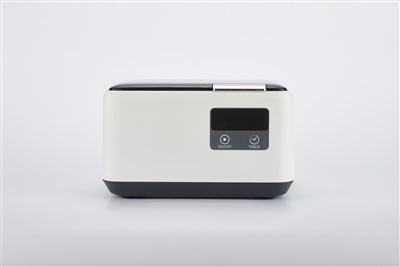
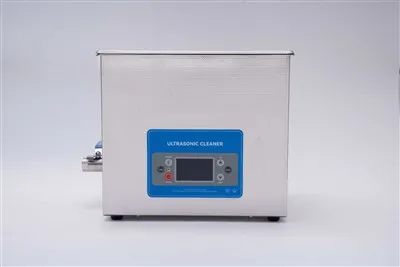
When it comes to industrial and domestic cleaning needs, ultrasonic parts cleaners have emerged as a revolutionary solution. As a supplier of 6L ultrasonic parts cleaners, I often get asked about the power output of these machines. In this blog post, I'll delve into the topic of the power output of a 6L ultrasonic parts cleaner, explaining its significance, how it affects the cleaning process, and what to consider when choosing the right power for your specific needs.


Understanding Power Output in Ultrasonic Parts Cleaners
Power output in an ultrasonic parts cleaner is measured in watts. It represents the amount of electrical energy that the machine converts into ultrasonic waves, which are then used to clean the parts. The power output is a crucial factor as it directly influences the intensity of the ultrasonic cleaning process.
In a 6L ultrasonic parts cleaner, the power output typically ranges from 100 to 300 watts. A higher power output generally means more intense ultrasonic waves, which can lead to faster and more thorough cleaning. However, it's not always the case that a higher power is better. The optimal power output depends on several factors, including the type of parts being cleaned, the level of contamination, and the cleaning solution used.
How Power Output Affects the Cleaning Process
The power output of an ultrasonic parts cleaner determines the strength of the cavitation bubbles that are formed in the cleaning solution. Cavitation is the process by which tiny bubbles are created and then implode in the liquid, generating high-pressure shock waves. These shock waves are what dislodge dirt, grease, and other contaminants from the surface of the parts.
With a higher power output, the cavitation bubbles are larger and more numerous, resulting in more powerful shock waves. This can be beneficial for cleaning heavily soiled parts or parts with complex geometries. For example, if you're cleaning engine parts that are covered in thick grease and oil, a higher power output will be more effective in removing the stubborn contaminants.
On the other hand, a lower power output may be sufficient for cleaning delicate parts or parts with light contamination. Using a high power on delicate parts can cause damage, such as pitting or erosion of the surface. In these cases, a lower power output of around 100 - 150 watts may be more appropriate.
Factors to Consider When Choosing the Power Output
Type of Parts
The material and design of the parts being cleaned play a significant role in determining the optimal power output. For example, soft metals like aluminum or brass may require a lower power output to avoid damage. In contrast, hard metals like steel or stainless steel can withstand higher power levels.
Level of Contamination
The degree of dirt and grime on the parts is another important factor. Heavily soiled parts will need a higher power output to ensure thorough cleaning. If the parts are only lightly contaminated, a lower power output may be sufficient.
Cleaning Solution
The type of cleaning solution used can also affect the power requirements. Some cleaning solutions are more effective at lower power levels, while others may require a higher power to activate their cleaning properties. It's important to choose a cleaning solution that is compatible with the parts being cleaned and the power output of the ultrasonic cleaner.
Applications of 6L Ultrasonic Parts Cleaners
A 6L ultrasonic parts cleaner with the right power output can be used in a wide range of applications. Here are some common examples:
Automotive Industry
In the automotive industry, these cleaners are used to clean engine parts, carburetors, fuel injectors, and other components. A higher power output is often preferred for cleaning heavily soiled engine parts to ensure that all the grease and oil are removed. You can learn more about cleaning bike parts with an ultrasonic cleaner by visiting this link: Cleaning Bike Parts With Ultrasonic Cleaner.
Jewelry and Watchmaking
For cleaning jewelry and watch parts, a lower power output is usually sufficient. Delicate gemstones and precious metals need to be cleaned gently to avoid damage. Ultrasonic cleaners can effectively remove dirt, dust, and fingerprints from these items.
Electronics
In the electronics industry, ultrasonic parts cleaners are used to clean circuit boards, connectors, and other components. A moderate power output is typically used to ensure that the parts are cleaned without causing any damage to the delicate electronic components.
Our 6L Ultrasonic Parts Cleaner
As a supplier of 6L Ultrasonic Parts Cleaner, we offer a range of models with different power outputs to meet the diverse needs of our customers. Our cleaners are designed with high-quality materials and advanced technology to ensure reliable and efficient cleaning performance.
Our 6L ultrasonic parts cleaners are equipped with adjustable power settings, allowing you to customize the cleaning process according to your specific requirements. Whether you need to clean small, delicate parts or large, heavily soiled components, our cleaners can provide the optimal power output for the job.
Conclusion
The power output of a 6L ultrasonic parts cleaner is a critical factor that affects the cleaning performance. By understanding how power output influences the cleaning process and considering the factors mentioned above, you can choose the right power for your specific needs.
If you're in the market for a 6L ultrasonic parts cleaner, I encourage you to explore our range of products. We are committed to providing high-quality cleaners that offer excellent value for money. If you have any questions or need further information, please don't hesitate to contact us for a purchase negotiation. You can find more information about our ultrasonic parts cleaners on our website: Ultrasonic Parts Cleaner.
References
- "Ultrasonic Cleaning: Principles and Applications" - Smith, J. (2018)
- "Industrial Cleaning with Ultrasonic Technology" - Johnson, A. (2019)
- Manufacturer's specifications and technical documents for ultrasonic parts cleaners.