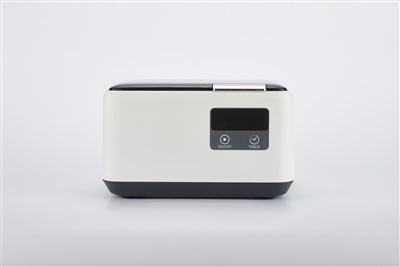
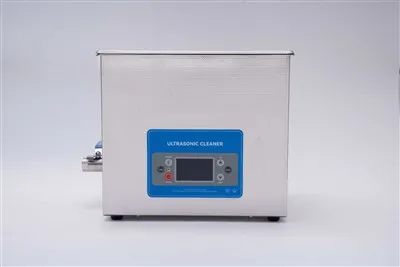
Hey there, fellow jewelry enthusiasts! As a supplier of ultrasonic cleaners for jewelry, I've seen firsthand the amazing benefits these nifty devices offer. They're super convenient, can reach those hard - to - clean spots, and can make your precious jewels sparkle like new. But let's be real, no product is perfect. In this blog, I'm gonna talk about the limitations of using an ultrasonic cleaner for jewelry.
1. Material Sensitivity
One of the biggest drawbacks of ultrasonic cleaners is that not all jewelry materials can handle the cleaning process. Some stones and metals are just too delicate.
Soft Stones
Stones like opals, pearls, and turquoise are extremely soft. The high - frequency sound waves in ultrasonic cleaners can cause micro - fractures in these stones. Opals, for example, have a relatively low hardness on the Mohs scale. The vibrations from the cleaner can create tiny cracks that may not be visible at first but can weaken the stone over time. Pearls are organic gemstones made of layers of nacre. The ultrasonic waves can disrupt these layers, causing the pearls to lose their luster and even start to peel. Turquoise is also porous and can absorb the cleaning solution in the ultrasonic cleaner, which might lead to discoloration or damage.
Mounting Materials
The mounting materials used in jewelry can also be at risk. Glue - set stones can be a problem. The vibrations from the ultrasonic cleaner can loosen the glue, causing the stones to fall out. Some soldered joints might also be affected. If the solder isn't of high quality or was not properly done, the ultrasonic waves can cause the joint to weaken or break. This is a major bummer, especially if you have a piece of jewelry that has sentimental value.
2. Incomplete Cleaning
Believe it or not, ultrasonic cleaners don't always do a thorough job of cleaning.
Entrenched Dirt
Some types of dirt and grime are just too stubborn for the ultrasonic waves to dislodge. For example, if your jewelry has been exposed to a lot of oil or grease, the dirt can get deeply embedded in the crevices. The ultrasonic cleaner might be able to loosen some of it, but the remaining dirt can still be visible. This is because the high - frequency waves work by creating tiny bubbles that implode and create a scrubbing action. However, if the dirt is too firmly attached, these bubbles might not be enough to remove it completely.
Complex Designs
Jewelry with complex designs is another challenge. Pieces with lots of small compartments, intricate filigree work, or deep - set stones can be difficult to clean properly. The ultrasonic waves might not be able to reach all the areas. For instance, in a piece of jewelry with a lot of tiny holes or channels, the dirt can get trapped inside, and the waves can't penetrate effectively. You might end up with a piece that looks clean on the outside but still has dirt hidden in the hard - to - reach places.
3. Potential for Damage to Surface Finish
The surface finish of your jewelry can also be at risk when using an ultrasonic cleaner.
Polished Surfaces
Highly polished metals like platinum, gold, and silver can lose their shine. The constant bombardment of the ultrasonic waves can cause micro - abrasions on the surface. These abrasions might be so small that you can't see them with the naked eye, but they can make the surface look dull over time. The polishing process gives the metal its smooth and reflective appearance, and the ultrasonic cleaner can disrupt this.
Textured Surfaces
Textured jewelry is also vulnerable. If your piece has a brushed or hammered finish, the ultrasonic waves can flatten the texture. The unique look that you love about your jewelry can be lost. For example, a piece of silver jewelry with a hammered texture might end up looking smooth and ordinary after being cleaned in an ultrasonic cleaner.
4. Incorrect Usage Risks
Using an ultrasonic cleaner incorrectly can lead to a whole host of problems.
Wrong Cleaning Solution
The choice of cleaning solution is crucial. Using the wrong solution can damage your jewelry. Some cleaners might be too harsh for certain materials. For example, a solution that contains strong acids or alkalis can corrode metals or damage gemstones. You need to make sure that the cleaning solution is specifically formulated for the type of jewelry you're cleaning. If you're not careful, you could end up ruining your precious pieces.


Over - cleaning
Another common mistake is over - cleaning. Just because the ultrasonic cleaner is easy to use doesn't mean you should use it too often. Over - exposing your jewelry to the ultrasonic waves can cause cumulative damage. The more you clean your jewelry in the ultrasonic cleaner, the higher the risk of weakening the stones, loosening the settings, or damaging the surface finish. It's important to find a balance and only clean your jewelry when it really needs it.
5. Cost - Benefit Consideration
When it comes to using an ultrasonic cleaner, you also need to think about the cost - benefit ratio.
Initial Investment
Buying an ultrasonic cleaner can be expensive, especially if you want a high - quality one. There are different types available, such as the 600ml Ultrasonic Jewellery Cleaner, the Table Top Ultrasonic Jewellery Cleaner, and the Digital Ultrasonic Jewellery Cleaner. These cleaners can range in price depending on their features and capacity. If you only have a few pieces of jewelry, the cost of the cleaner might not be worth it.
Ongoing Costs
There are also ongoing costs to consider. You need to buy cleaning solutions regularly, and these can add up over time. Plus, if your jewelry gets damaged during the cleaning process, you'll have to pay for repairs. So, you need to weigh the cost of using an ultrasonic cleaner against the benefits it provides.
Despite these limitations, ultrasonic cleaners can still be a great tool for cleaning jewelry when used correctly. If you're aware of the potential problems and take the necessary precautions, you can minimize the risks.
If you're interested in learning more about our ultrasonic cleaners for jewelry or want to discuss your specific cleaning needs, feel free to reach out. We're here to help you make the best decision for your precious jewelry. Whether you're a jewelry store owner looking to keep your inventory clean or an individual who wants to take care of your personal collection, we've got solutions for you. Let's have a chat and see how we can work together!
References
- Gemological Institute of America (GIA) - Research on jewelry cleaning and stone properties
- Jewelry industry trade publications - Articles on the effects of ultrasonic cleaning on different jewelry materials