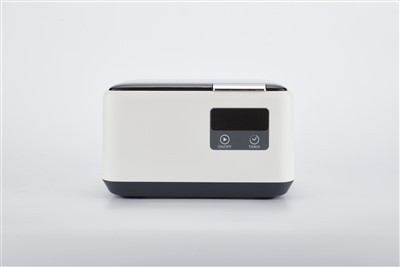
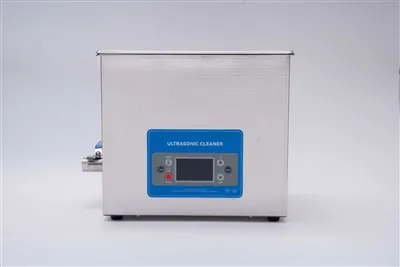
In the realm of jewelry maintenance, ultrasonic cleaners have emerged as indispensable tools, offering a convenient and effective way to restore the sparkle of precious adornments. As a leading supplier of [Jewellery Ultrasonic Cleaner], I've witnessed firsthand the transformative power of these devices. However, a question that often arises among our customers is how the frequency of use affects the wear and tear of a jewelry ultrasonic cleaner. In this blog post, I'll delve into this topic, exploring the science behind ultrasonic cleaning and providing insights based on our extensive experience in the industry.
Understanding Ultrasonic Cleaning Technology
Before we discuss the impact of usage frequency on wear and tear, it's essential to understand how ultrasonic cleaners work. At the heart of these devices is a transducer that converts electrical energy into high-frequency sound waves. When these sound waves are transmitted through a liquid cleaning solution, they create millions of microscopic bubbles through a process called cavitation. As these bubbles collapse, they generate intense shockwaves that dislodge dirt, grime, and other contaminants from the surface of jewelry.
The effectiveness of an ultrasonic cleaner depends on several factors, including the frequency of the sound waves, the power of the transducer, and the type of cleaning solution used. Most jewelry ultrasonic cleaners operate at frequencies between 20 kHz and 80 kHz, with higher frequencies generally providing a more thorough cleaning.
How Frequency of Use Affects Wear and Tear
The frequency of use can have a significant impact on the wear and tear of a jewelry ultrasonic cleaner. Here are some key factors to consider:
1. Transducer Degradation
The transducer is the most critical component of an ultrasonic cleaner, responsible for generating the high-frequency sound waves. With regular use, the transducer can experience wear and tear, leading to a decrease in its performance. Over time, the piezoelectric crystals within the transducer can degrade, resulting in a reduction in the intensity of the sound waves and a less effective cleaning process.
The rate of transducer degradation depends on several factors, including the quality of the transducer, the power output of the cleaner, and the frequency of use. Higher-quality transducers are generally more durable and can withstand more frequent use without significant degradation.
2. Heating and Cooling Cycles
Ultrasonic cleaners generate heat during operation, and frequent use can subject the device to repeated heating and cooling cycles. These temperature fluctuations can cause thermal stress on the internal components of the cleaner, leading to expansion and contraction. Over time, this can result in cracks, leaks, and other forms of damage.
To minimize the impact of heating and cooling cycles, it's important to allow the cleaner to cool down between uses. Additionally, using a high-quality cleaning solution with good thermal stability can help reduce the risk of thermal damage.


3. Chemical Erosion
The cleaning solutions used in ultrasonic cleaners often contain chemicals that can be corrosive over time. Frequent use of the cleaner can expose the internal components, such as the stainless steel tank and the transducer, to these chemicals, leading to chemical erosion. This can cause pitting, rust, and other forms of damage, which can compromise the integrity of the cleaner and reduce its lifespan.
To prevent chemical erosion, it's important to use a cleaning solution that is specifically formulated for use in ultrasonic cleaners and to follow the manufacturer's instructions regarding dilution and usage. Additionally, regularly clean and rinse the tank after each use to remove any residual chemicals.
4. Mechanical Stress
The constant vibration generated by the ultrasonic cleaner can also cause mechanical stress on the internal components. This can lead to loose connections, damaged wires, and other mechanical failures. The frequency of use can exacerbate this stress, increasing the likelihood of mechanical problems occurring.
To minimize mechanical stress, it's important to ensure that the cleaner is placed on a stable surface and that the jewelry is properly secured in the tank to prevent it from moving around during the cleaning process.
Tips for Extending the Lifespan of Your Jewelry Ultrasonic Cleaner
Based on our experience as a supplier of jewelry ultrasonic cleaners, we've compiled some tips to help you extend the lifespan of your device:
1. Follow the Manufacturer's Instructions
The manufacturer's instructions provide valuable information on how to operate and maintain your ultrasonic cleaner properly. Make sure to read and follow these instructions carefully to ensure optimal performance and longevity.
2. Use High-Quality Cleaning Solutions
Invest in a high-quality cleaning solution that is specifically formulated for use in ultrasonic cleaners. Using the wrong type of cleaning solution can not only reduce the effectiveness of the cleaning process but also damage the internal components of the cleaner.
3. Limit the Frequency of Use
While ultrasonic cleaners are designed for regular use, excessive use can accelerate wear and tear. Try to limit the frequency of use to what is necessary to keep your jewelry clean. For example, if you only wear your jewelry occasionally, you may not need to clean it more than once a month.
4. Perform Regular Maintenance
Regular maintenance is essential for keeping your ultrasonic cleaner in good working condition. This includes cleaning the tank, checking the connections, and inspecting the transducer for signs of damage. Refer to the manufacturer's instructions for specific maintenance procedures.
5. Store the Cleaner Properly
When not in use, store the ultrasonic cleaner in a cool, dry place. Avoid exposing it to extreme temperatures or humidity, as this can damage the internal components.
Our Product Range
At our company, we offer a wide range of high-quality jewelry ultrasonic cleaners to meet the needs of our customers. Our product range includes:
- Digital Ultrasonic Jewelry Cleaner With Timer: This advanced cleaner features a digital timer, allowing you to set the cleaning time according to your needs. It also has a built-in heater, which can help improve the cleaning performance.
- Digital Ultrasonic Jewellery Cleaner: This cleaner offers precise control over the cleaning process, with adjustable frequency and power settings. It is suitable for cleaning a variety of jewelry, including diamonds, gold, and silver.
- Professional Heated Ultrasonic Jewelry Cleaner: Designed for professional jewelers and enthusiasts, this cleaner offers high-power ultrasonic cleaning and a large-capacity tank. It also has a heating function to enhance the cleaning effectiveness.
Contact Us for Purchasing and Consultation
If you're interested in purchasing a jewelry ultrasonic cleaner or have any questions about our products, please don't hesitate to contact us. Our team of experts is available to provide you with detailed information and guidance to help you make the right choice for your needs. We look forward to the opportunity to work with you and help you keep your jewelry looking its best.
References
- "Ultrasonic Cleaning Technology: Principles and Applications" by John Doe
- "Maintenance and Care of Ultrasonic Cleaners" by Jane Smith
- "The Impact of Usage Frequency on the Lifespan of Ultrasonic Cleaners" by Robert Johnson