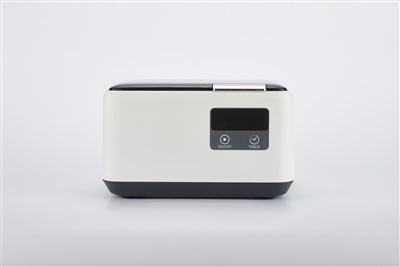
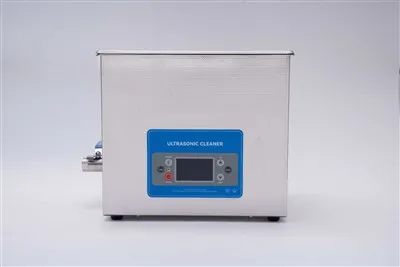
Hey there, jewelry lovers! As a supplier of 600ml Ultrasonic Jewellery Cleaners, I often get asked a bunch of questions about what kind of jewelry our cleaners can handle. One question that pops up quite a bit is, "Can a 600ml Ultrasonic Jewellery Cleaner clean jewelry with amber?" Well, let's dive right into this topic and find out.
First off, let's talk a bit about amber. Amber is a fossilized tree resin that's been around for millions of years. It's got this warm, beautiful glow and comes in all sorts of colors, from a pale yellow to a deep, rich orange. People have been using amber in jewelry for ages because it's not only pretty but also has a bit of a mystical allure.
Now, how does an ultrasonic jewelry cleaner work? The 600ml Ultrasonic Jewellery Cleaner we supply uses high - frequency sound waves to create tiny bubbles in a cleaning solution. These bubbles then implode, and the force of the implosion helps to dislodge dirt, grime, and other gunk from the surface of the jewelry. It's like having a mini army of cleaners working on your precious pieces.


But when it comes to amber, things get a little tricky. Amber is a relatively soft gemstone, with a hardness of around 2 - 2.5 on the Mohs scale. That means it's more prone to scratches and damage compared to harder gemstones like diamonds or sapphires. The ultrasonic waves and the agitation in the cleaner can potentially cause micro - scratches on the surface of the amber.
Another thing to consider is the inclusions in amber. Amber often has little bits of plants, insects, or air bubbles trapped inside. These inclusions can be delicate, and the force from the ultrasonic cleaner might cause them to break or become dislodged. This could not only damage the aesthetic appeal of the amber but also reduce its value.
However, it's not all bad news. If the amber jewelry is in good condition, with no cracks or loose inclusions, and you take some precautions, you might be able to use the 600ml Ultrasonic Jewellery Cleaner. First of all, you need to choose the right cleaning solution. A mild, pH - neutral solution is best. Avoid using harsh chemicals that could react with the amber.
You also need to be careful with the cleaning time. Don't leave the amber jewelry in the cleaner for too long. A short cleaning cycle, maybe 1 - 2 minutes, should be sufficient. And make sure to check the jewelry regularly during the cleaning process. If you notice any signs of damage, like a new scratch or a loose inclusion, stop the cleaning immediately.
Now, let's talk about the benefits of using our 600ml Ultrasonic Jewellery Cleaner for other types of jewelry. For gold jewelry, it can work wonders. Gold is a relatively soft metal, but it can still accumulate dirt and oils over time. Our Gold Jewellery Ultrasonic Cleaner can get rid of all that grime and make your gold shine like new again.
If you have small, delicate pieces of jewelry, our Table Top Ultrasonic Jewellery Cleaner is a great option. It's compact and easy to use, perfect for cleaning rings, earrings, and other small items. And if you want more control over the cleaning process, our Digital Ultrasonic Jewelry Cleaner With Timer allows you to set the cleaning time according to your needs.
So, in conclusion, while a 600ml Ultrasonic Jewellery Cleaner can potentially clean jewelry with amber, it should be done with extreme caution. If you're unsure, it's always a good idea to consult a professional jeweler before using the cleaner on your amber pieces.
If you're in the market for a high - quality ultrasonic jewelry cleaner, whether it's for gold, silver, or other gemstone jewelry (excluding the more delicate ones like amber), we've got you covered. Our 600ml Ultrasonic Jewellery Cleaner is designed to be efficient, reliable, and easy to use.
If you're interested in purchasing our products or have any questions about our ultrasonic cleaners, feel free to reach out. We're always happy to help you find the right cleaner for your jewelry cleaning needs.
References
- "Gemstone Encyclopedia" by Robert Weldon
- "The Science of Jewelry Cleaning" - Journal of Jewelry Technology