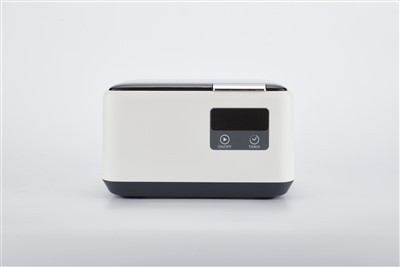
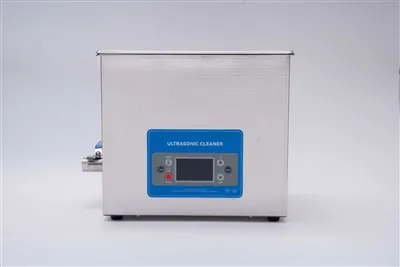
When it comes to maintaining the efficiency and longevity of automotive parts, an ultrasonic auto parts cleaner is an invaluable tool. As a leading supplier of ultrasonic auto parts cleaners, I often get asked about the most suitable cleaning solutions for these machines. In this blog post, I'll delve into the different types of cleaning solutions that can be used in an ultrasonic auto parts cleaner, their benefits, and how to choose the right one for your specific needs.
Types of Cleaning Solutions
Water-Based Cleaning Solutions
Water-based cleaning solutions are the most commonly used in ultrasonic auto parts cleaners. They are environmentally friendly, non-toxic, and relatively inexpensive. These solutions typically contain surfactants, which help to break down dirt, grease, and oil. Surfactants reduce the surface tension of the water, allowing it to penetrate into small crevices and remove contaminants more effectively.
One of the main advantages of water-based solutions is their versatility. They can be used to clean a wide range of auto parts, including engine components, carburetors, brake parts, and more. Additionally, water-based solutions are easy to dispose of, making them a popular choice for both professional and DIY mechanics.
However, water-based solutions may not be as effective in removing heavy grease and oil compared to solvent-based solutions. In such cases, a stronger cleaning agent may be required.
Solvent-Based Cleaning Solutions
Solvent-based cleaning solutions are more powerful than water-based solutions and are better suited for removing stubborn grease, oil, and grime. These solutions typically contain organic solvents, such as hydrocarbons or chlorinated solvents. Solvent-based solutions work by dissolving the contaminants, making them easier to remove.
One of the benefits of solvent-based solutions is their ability to clean parts quickly and effectively. They can be used to clean parts that are heavily soiled or have been exposed to harsh chemicals. However, solvent-based solutions also have some drawbacks. They are often flammable and toxic, which means they require special handling and storage. Additionally, solvent-based solutions can be harmful to the environment if not disposed of properly.
Enzyme-Based Cleaning Solutions
Enzyme-based cleaning solutions are a relatively new type of cleaning solution that is gaining popularity in the automotive industry. These solutions contain enzymes, which are biological catalysts that break down organic materials. Enzyme-based solutions are effective in removing grease, oil, and other organic contaminants, and they are also environmentally friendly and non-toxic.


One of the advantages of enzyme-based solutions is their ability to work at low temperatures. This means that they can be used in ultrasonic cleaners without the need for high heat, which can damage some auto parts. Enzyme-based solutions are also biodegradable, which makes them a sustainable choice for cleaning automotive parts.
However, enzyme-based solutions may not be as effective in removing inorganic contaminants, such as rust and scale. In such cases, a different type of cleaning solution may be required.
Factors to Consider When Choosing a Cleaning Solution
Type of Contaminant
The type of contaminant you need to remove is one of the most important factors to consider when choosing a cleaning solution. If you are dealing with light dirt and grease, a water-based solution may be sufficient. However, if you are dealing with heavy grease, oil, or grime, a solvent-based or enzyme-based solution may be more effective.
Material of the Auto Parts
The material of the auto parts you are cleaning is also an important factor to consider. Some cleaning solutions may be too harsh for certain materials, such as aluminum or plastic. Before using a cleaning solution, it is important to check the manufacturer's recommendations to ensure that it is safe to use on the specific material of your auto parts.
Temperature and Time
The temperature and time settings of your ultrasonic cleaner can also affect the effectiveness of the cleaning solution. Some cleaning solutions work better at higher temperatures, while others work better at lower temperatures. Additionally, the length of time the parts are exposed to the cleaning solution can also impact the cleaning results. It is important to follow the manufacturer's instructions for the recommended temperature and time settings when using a cleaning solution in your ultrasonic cleaner.
Environmental Impact
Finally, it is important to consider the environmental impact of the cleaning solution you choose. Water-based and enzyme-based solutions are generally more environmentally friendly than solvent-based solutions. If you are concerned about the environment, it is recommended to choose a cleaning solution that is biodegradable and non-toxic.
Recommended Cleaning Solutions for Different Auto Parts
Engine Components
For cleaning engine components, such as pistons, valves, and cylinder heads, a solvent-based cleaning solution is often the best choice. Solvent-based solutions are effective in removing heavy grease and oil, which are common contaminants in engine parts. However, it is important to choose a solvent-based solution that is safe to use on the specific material of your engine components.
Brake Parts
Brake parts, such as calipers, rotors, and pads, can be cleaned using a water-based or enzyme-based cleaning solution. These solutions are effective in removing dirt, dust, and brake fluid, which can accumulate on brake parts over time. It is important to avoid using solvent-based solutions on brake parts, as they can damage the rubber seals and gaskets.
Carburetors
Carburetors are delicate parts that require special care when cleaning. A water-based or enzyme-based cleaning solution is usually the best choice for cleaning carburetors. These solutions are gentle enough to clean the carburetor without damaging the internal components. It is important to follow the manufacturer's instructions when cleaning a carburetor, as improper cleaning can cause damage to the carburetor.
Conclusion
Choosing the right cleaning solution for your ultrasonic auto parts cleaner is essential for achieving optimal cleaning results. By considering the type of contaminant, the material of the auto parts, the temperature and time settings, and the environmental impact, you can select the most suitable cleaning solution for your specific needs.
As a supplier of ultrasonic auto parts cleaners, we offer a wide range of cleaning solutions to meet the diverse needs of our customers. Whether you need a water-based solution for light cleaning, a solvent-based solution for heavy-duty cleaning, or an enzyme-based solution for environmentally friendly cleaning, we have the right product for you.
If you have any questions about choosing the right cleaning solution for your ultrasonic auto parts cleaner, or if you would like to place an order for our products, please do not hesitate to contact us. We are here to help you keep your auto parts clean and in top condition.
For more information about our ultrasonic cleaners, you can visit our website:
- Ultrasonic Gun Parts Cleaner for Firearm Maintenance
- 6L Ultrasonic Parts Cleaner
- Ultrasonic bike chain cleaner
We look forward to hearing from you and helping you with your automotive cleaning needs.
References
- Automotive Cleaning Handbook, 2nd Edition
- Guide to Ultrasonic Cleaning in the Automotive Industry
- Best Practices for Cleaning Auto Parts with Ultrasonic Cleaners