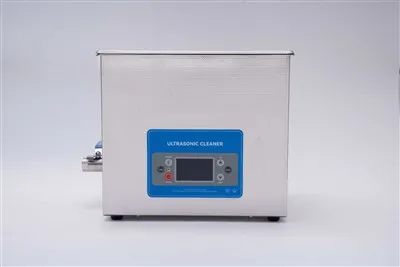
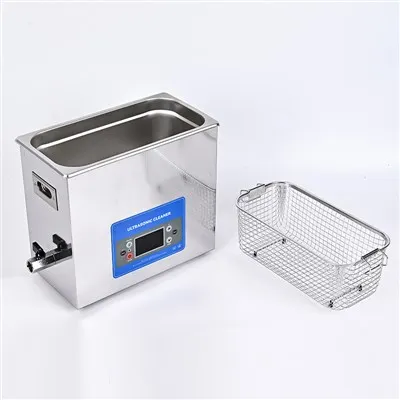
Hey there! As a supplier of large ultrasonic parts cleaners, I often get asked about the typical operating voltage of these machines. It's a crucial question, especially for those looking to invest in one. So, let's dive right in and explore this topic.
First off, what exactly is an ultrasonic parts cleaner? Well, it's a powerful cleaning device that uses ultrasonic waves to remove dirt, grime, and contaminants from various parts. Whether you're in the automotive, aerospace, or manufacturing industry, these cleaners can be a game - changer for your cleaning needs.
Now, let's talk about the operating voltage. Most large ultrasonic parts cleaners typically operate at a voltage range of 110V to 240V. This range is quite common because it allows the cleaners to be used in different regions around the world. In North America, the standard household voltage is 110V, while in many other parts of the world, including Europe and Asia, 240V is the norm.
The reason for this wide voltage range is to make the cleaners more versatile. As a supplier, we understand that our customers are located all over the globe. So, by offering cleaners that can operate at different voltages, we can ensure that they can be easily integrated into any workspace.
But why does voltage matter in an ultrasonic parts cleaner? Well, the voltage directly affects the power output of the cleaner. A higher voltage generally means more power, which in turn can lead to more effective cleaning. Ultrasonic cleaners work by creating high - frequency sound waves that generate tiny bubbles in the cleaning solution. These bubbles then collapse, creating a scrubbing action that removes dirt from the parts. With more power, these bubbles are more numerous and more energetic, resulting in a more thorough clean.
However, it's not just about having the highest voltage possible. You also need to consider the size of the cleaner and the parts you're cleaning. For smaller parts or less dirty items, a lower voltage cleaner might be sufficient. On the other hand, if you're dealing with large, heavily soiled parts, a higher voltage cleaner will likely be more effective.


Let's take a look at some real - world applications. If you're into cleaning bike parts, an ultrasonic cleaner can be a great tool. You can check out Cleaning Bike Parts With Ultrasonic Cleaner to learn more about how these cleaners can transform your bike maintenance routine.
For those who need a mid - sized option, our 6L Ultrasonic Parts Cleaner is a popular choice. It's suitable for a variety of small to medium - sized parts and can operate within the typical voltage range we've discussed.
And if you're specifically looking for a cleaner for bike parts, our Ultrasonic Cleaner For Bike Parts is designed to meet your needs. It offers the right balance of power and size to ensure a great clean.
When choosing an ultrasonic parts cleaner, you also need to consider other factors besides voltage. The frequency of the ultrasonic waves is important. Higher frequencies are better for cleaning delicate parts, while lower frequencies are more suitable for heavy - duty cleaning. The size of the cleaning tank is another factor. You need to make sure it's large enough to accommodate the parts you want to clean.
In addition, the type of cleaning solution you use can also affect the cleaning performance. Different solutions are designed for different types of contaminants. For example, some solutions are better at removing oil and grease, while others are more effective against rust and scale.
As a supplier, we're always here to help you choose the right cleaner for your needs. We can provide you with detailed information about the voltage, frequency, and other features of our products. We also offer support and advice on how to use the cleaners effectively.
If you're in the market for a large ultrasonic parts cleaner, don't hesitate to reach out. We can discuss your specific requirements and find the perfect solution for you. Whether you're a small business owner or part of a large manufacturing facility, we have the expertise and the products to meet your cleaning needs.
In conclusion, the typical operating voltage of a large ultrasonic parts cleaner ranges from 110V to 240V. This range allows for global use and provides a balance between power and versatility. When choosing a cleaner, consider not only the voltage but also other factors such as frequency, tank size, and cleaning solution. And if you have any questions or need help with your purchase, just get in touch with us. We're here to make your cleaning process as efficient and effective as possible.
References:
- General knowledge about ultrasonic cleaning technology
- Product specifications of large ultrasonic parts cleaners from our inventory