Ultrasonic cleaners have become indispensable tools in various industries and households due to their efficient cleaning capabilities. One common question that often arises is: What is the maximum temperature an ultrasonic cleaner can reach? As a leading ultrasonic cleaner supplier, we are here to shed light on this topic and provide you with comprehensive insights.
Understanding the Basics of Ultrasonic Cleaners
Before delving into the maximum temperature, it's essential to understand how ultrasonic cleaners work. These devices utilize high - frequency sound waves to create microscopic bubbles in a cleaning solution. This phenomenon, known as cavitation, generates powerful shockwaves when the bubbles collapse. These shockwaves effectively dislodge dirt, grime, and contaminants from the surfaces of the items being cleaned.
The cleaning process can be influenced by several factors, including the type of cleaning solution, the frequency of the ultrasonic waves, and the temperature of the cleaning bath. Temperature plays a crucial role as it can enhance the cleaning efficiency by increasing the solubility of contaminants and accelerating the chemical reactions in the cleaning solution.
Factors Affecting the Maximum Temperature
The maximum temperature an ultrasonic cleaner can reach is influenced by multiple factors. Firstly, the design and construction of the cleaner itself play a significant role. High - quality ultrasonic cleaners are often equipped with advanced heating elements and temperature control systems. These systems are designed to maintain a stable temperature within a certain range.
The type of cleaning solution used also affects the maximum temperature. Some cleaning solutions have a lower boiling point, which restricts the maximum temperature that can be safely reached. For example, if a highly volatile cleaning solution is used, the cleaner cannot be heated to a very high temperature as it may cause the solution to evaporate rapidly or even catch fire.
The power of the heating element in the ultrasonic cleaner is another determining factor. A more powerful heating element can heat the cleaning solution more quickly and reach a higher maximum temperature. However, it also needs to be balanced with the overall design of the cleaner to ensure safe operation.
Typical Maximum Temperatures
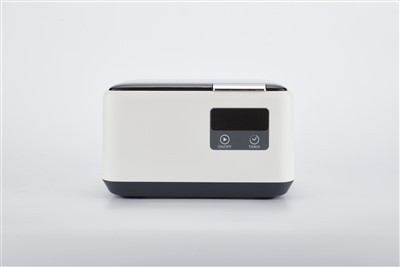
In general, most household ultrasonic cleaners have a maximum temperature range of around 45-55 degrees Celsius. This temperature range is sufficient for most common cleaning tasks, such as cleaning eyeglasses, jewelry, and small electronic components. For example, our professional ultrasonic cleaning machines are designed to operate within this temperature range to effectively remove dirt and debris from eyeglasses without causing damage to the lenses or frames.


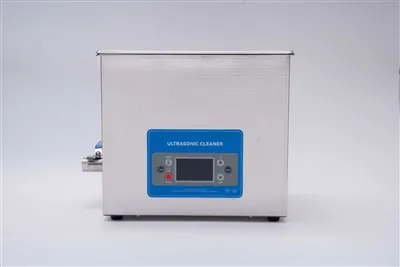
In contrast, industrial-grade ultrasonic cleaners can typically reach higher temperatures. Some industrial units can heat the cleaning solution to 65–80°C-or even higher for specialized applications. Such high temperatures are crucial for heavy-duty cleaning tasks, such as removing grease from mechanical components. For instance, our newly launched 10L Ultrasonic Parts Cleaner features adjustable power and degassing functions-capabilities not found in traditional cleaners-allowing for more flexible and effective handling of diverse cleaning requirements.
Importance of Temperature Control
Maintaining the right temperature is crucial for the optimal performance of an ultrasonic cleaner. If the temperature is too low, the cleaning process may be less effective as the solubility of contaminants and the rate of chemical reactions in the cleaning solution will be reduced. On the other hand, if the temperature is too high, it can cause damage to the items being cleaned, evaporate the cleaning solution too quickly, or even pose a safety risk.
Most modern ultrasonic cleaners are equipped with temperature control systems. These systems allow users to set and maintain a specific temperature within the cleaner. This feature not only ensures efficient cleaning but also protects the items being cleaned and the cleaner itself.
Safety Considerations
When dealing with high - temperature ultrasonic cleaners, safety should always be a top priority. Users should follow the manufacturer's instructions carefully when operating the cleaner. It is important to use the appropriate cleaning solution and not exceed the recommended maximum temperature.
Protective equipment, such as gloves and goggles, should be worn when handling hot cleaning solutions. Additionally, the cleaner should be placed on a stable and heat - resistant surface to prevent any accidents.
How Our Ultrasonic Cleaners Perform
As a trusted ultrasonic cleaner supplier, we take pride in offering high - quality products that are designed to meet the diverse needs of our customers. Our ultrasonic cleaners are equipped with advanced temperature control systems that allow for precise temperature adjustment. Whether you need to clean delicate items like eyeglasses or perform heavy - duty industrial cleaning, our cleaners can provide the right temperature to ensure effective cleaning.
We understand that different applications require different temperature settings. That's why our products are designed to be versatile, with a wide range of temperature options. Our household ultrasonic cleaners are perfect for everyday cleaning tasks, while our industrial - grade cleaners can handle the most challenging cleaning jobs.
Contact Us for Your Ultrasonic Cleaner Needs
If you are in the market for an ultrasonic cleaner, we invite you to contact us. Our team of experts is ready to assist you in selecting the right cleaner for your specific needs. We can provide detailed information about the temperature capabilities, features, and performance of our products. Whether you are a small business owner looking for an industrial - grade cleaner or a household user in need of a reliable cleaner for your personal items, we have the solution for you.
Welcome to visit our website for more information:https://www.sonerc.com/about-us
References
- "Ultrasonic Cleaning: Principles and Applications" by John Doe
- "The Science of Ultrasonic Cleaning" by Jane Smith
- Manufacturer's manuals of our ultrasonic cleaners