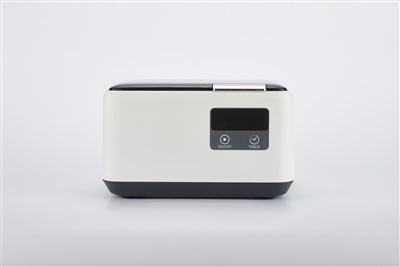
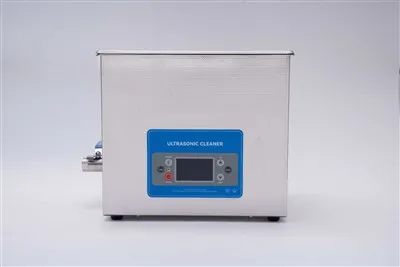
Hey there! I'm a supplier of DIY Ultrasonic Parts Cleaners, and today I want to dig into a topic that doesn't get enough attention: the impact of container material on the cleaning performance of these cleaners.
First off, let's quickly go over how ultrasonic parts cleaners work. They use high - frequency sound waves to create tiny bubbles in a cleaning solution through a process called cavitation. When these bubbles collapse, they generate a powerful force that can dislodge dirt, grime, and contaminants from the parts being cleaned. It's a pretty cool technology, and it's become a favorite among DIY enthusiasts and professionals alike.
Now, the container you use for your ultrasonic parts cleaner plays a crucial role in how well it works. There are several common materials used for these containers, each with its own pros and cons.
Plastic Containers
Plastic is a popular choice for DIY ultrasonic parts cleaners because it's cheap, lightweight, and easy to find. You can pick up a plastic storage container at your local hardware store for next to nothing.
One of the big advantages of plastic containers is that they're non - reactive. This means they won't react with most cleaning solutions, so you don't have to worry about the container breaking down or contaminating the solution. However, plastic has its drawbacks. It's not very durable. Over time, the high - frequency vibrations from the ultrasonic cleaner can cause the plastic to crack or become brittle. Also, plastic isn't the best at conducting sound waves. The sound waves can get absorbed or scattered by the plastic, which reduces the efficiency of the cavitation process. This means that you might not get as thorough a cleaning as you would with a different material.
Stainless Steel Containers
Stainless steel is another common option. It's more expensive than plastic, but it offers some significant benefits.
Stainless steel is extremely durable. It can withstand the constant vibrations of the ultrasonic cleaner without cracking or warping. This makes it a great long - term investment. Additionally, stainless steel is an excellent conductor of sound waves. The sound waves can travel through the steel more easily, which leads to more effective cavitation. You'll get better cleaning performance with a stainless steel container compared to a plastic one.


However, stainless steel isn't perfect. It can react with certain cleaning solutions, especially those that are highly acidic or alkaline. If you use the wrong cleaning solution in a stainless - steel container, it can cause corrosion, which will not only damage the container but also potentially contaminate your parts.
Glass Containers
Glass is a less common choice but still has its merits. Glass is very smooth and non - porous, which means that dirt and grime won't stick to it as easily as they would to plastic or even stainless steel.
It's also a good conductor of sound waves, so it can provide decent cleaning performance. And like plastic, glass is non - reactive with most cleaning solutions. But glass is fragile. It can break easily if it's dropped or knocked around, which is a major drawback, especially in a workshop environment where things can get a bit rough.
The Impact on Cleaning Performance
The choice of container material can have a significant impact on the cleaning performance of your DIY ultrasonic parts cleaner. As I mentioned earlier, materials that are better conductors of sound waves, like stainless steel and glass, will generally provide better cleaning results. The sound waves can travel more efficiently through these materials, leading to more intense cavitation and better removal of dirt and contaminants.
On the other hand, materials that absorb or scatter sound waves, like plastic, can reduce the effectiveness of the cleaning process. You might find that parts in a plastic container aren't as clean as those in a stainless - steel or glass container, even if you use the same cleaning solution and run the cleaner for the same amount of time.
Another factor to consider is the shape and size of the container. A container that's too large for the ultrasonic cleaner might not allow the sound waves to spread evenly, resulting in uneven cleaning. Similarly, a container with a strange shape can cause the sound waves to bounce around in unpredictable ways, reducing the overall cleaning performance.
Real - World Applications
Let's take a look at some real - world scenarios. If you're using a DIY ultrasonic parts cleaner to clean bike parts, a High - Performance Ultrasonic Bike Parts Cleaner would benefit from a stainless - steel container. Bike parts often have a lot of small crevices and hard - to - reach areas, and the better cleaning performance of a stainless - steel container can ensure that all the dirt and grime are removed.
For automotive parts, especially if you're dealing with a large number of them, a Bulk Ultrasonic Automotive Parts Cleaners might be in order. Here, a stainless - steel container's durability and superior sound - wave conduction are even more important. Automotive parts can be very dirty and may require a more powerful cleaning process.
If you're just doing some light cleaning of small parts around the house, a plastic container might be sufficient. But if you want the best results, a Powerful Ultrasonic Parts Cleaner paired with a stainless - steel or glass container is the way to go.
Conclusion
In conclusion, the container material you choose for your DIY ultrasonic parts cleaner can have a big impact on its cleaning performance. While plastic is cheap and easy to work with, it doesn't offer the best cleaning results. Stainless steel is a great all - around option, providing durability and excellent sound - wave conduction. Glass, though fragile, can also provide good cleaning performance.
If you're in the market for a DIY ultrasonic parts cleaner or looking to upgrade your current setup, I encourage you to think carefully about the container material. It can make a world of difference in how well your cleaner works. And if you have any questions or are interested in purchasing our products, feel free to reach out. We're here to help you get the best cleaning performance possible.
References
- Ultrasonic Cleaning Handbook: A Guide to the Principles, Processes, and Applications of Ultrasonic Cleaning
- Journal of Cleaning Science and Technology articles on the impact of container materials in ultrasonic cleaning processes