Is it safe to touch the cleaning solution in a powerful ultrasonic parts cleaner while it's running?
As a supplier of powerful ultrasonic parts cleaners, I often encounter various questions from customers. One of the most frequently asked questions is whether it is safe to touch the cleaning solution in a powerful ultrasonic parts cleaner while it's running. In this blog post, I will delve into this topic and provide a comprehensive answer based on scientific knowledge and practical experience.
How Ultrasonic Parts Cleaners Work
Before we discuss the safety of touching the cleaning solution, it's essential to understand how ultrasonic parts cleaners work. Ultrasonic cleaners use high - frequency sound waves, typically in the range of 20,000 to 400,000 hertz, to create millions of tiny bubbles in the cleaning solution through a process called cavitation. These bubbles form and collapse rapidly, generating intense shockwaves that dislodge dirt, grease, and contaminants from the surface of the parts being cleaned.
The Dangers of Touching the Cleaning Solution
Physical Hazards
- Cavitation Effects: When you touch the cleaning solution in a running ultrasonic parts cleaner, the cavitation bubbles can form on your skin. The collapse of these bubbles can cause micro - impacts on the skin's surface. Although these impacts are tiny, they can still cause damage over time. Repeated exposure to cavitation can lead to skin irritation, redness, and even blistering. The skin may feel like it's being pricked by numerous small needles, which can be quite painful.
- Vibration and Heat: The ultrasonic waves also cause the cleaning solution to vibrate vigorously. This vibration can be transferred to your hand, leading to discomfort and potential nerve damage if exposed for an extended period. Additionally, the energy from the ultrasonic waves can generate heat in the cleaning solution. If the cleaner has been running for a while, the solution may become hot enough to cause burns.
Chemical Hazards
- Cleaning Agents: Most cleaning solutions used in ultrasonic parts cleaners contain chemicals designed to break down grease, oil, and other contaminants. These chemicals can be harsh and may cause skin irritation, allergic reactions, or chemical burns. For example, some solutions may contain strong alkalis or acids. Alkalis can dissolve fats and proteins in the skin, leading to skin corrosion, while acids can cause immediate damage to the skin cells.
- Toxicity: Some cleaning agents may release toxic fumes, especially when heated or agitated by the ultrasonic waves. Inhaling these fumes can cause respiratory problems, headaches, and other health issues. If you touch the solution and then touch your face or eyes, you can transfer these chemicals, which can cause serious damage to your mucous membranes.
Safety Precautions
Protective Equipment
- Gloves: Always wear chemical - resistant gloves when handling the cleaning solution in an ultrasonic parts cleaner. Gloves made of materials such as nitrile or neoprene can provide a good barrier against both the physical and chemical hazards of the cleaning solution.
- Goggles: To protect your eyes from splashes and fumes, wear safety goggles. This is especially important when adding or removing parts from the cleaner or when adjusting the cleaning solution.
- Apron: Wearing an apron can prevent the cleaning solution from splashing on your clothes and skin. An apron made of a waterproof and chemical - resistant material is ideal.
Operating Procedures
- Turn Off the Cleaner: Before adding or removing parts from the cleaner or adjusting the cleaning solution, always turn off the ultrasonic cleaner. This eliminates the risk of cavitation and vibration damage to your hands.
- Ventilation: Ensure that the area where the ultrasonic cleaner is located is well - ventilated. This helps to disperse any toxic fumes that may be released from the cleaning solution.
Alternatives to Manual Contact
If you need to handle parts during the cleaning process, there are safer alternatives to touching the cleaning solution directly.
- Tongs or Hooks: Use tongs or hooks to insert and remove parts from the cleaning solution. This allows you to keep your hands out of the solution while still being able to manipulate the parts.
- Baskets and Racks: Place the parts in a basket or rack before putting them into the cleaner. This makes it easier to remove the parts from the solution without having to reach in with your hands.
Our Product Line
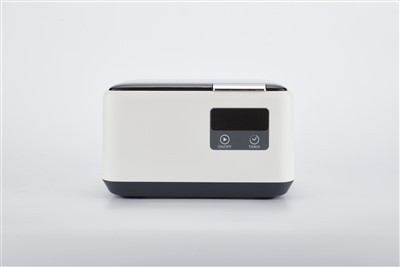
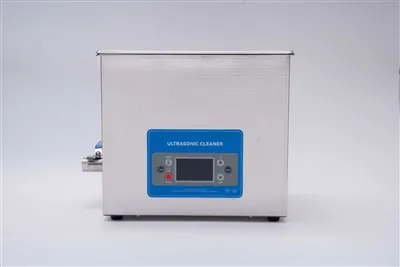
As a supplier of powerful ultrasonic parts cleaners, we offer a wide range of products to meet different cleaning needs. Whether you need a Large Ultrasonic Parts Cleaner for industrial applications or an Ultrasonic Cleaner For Bike Parts for personal use, we have the right solution for you. If you are interested in building your own ultrasonic cleaner, we also provide resources and guidance for a DIY Ultrasonic Parts Cleaner.
Contact Us for Purchase and Consultation
If you are considering purchasing an ultrasonic parts cleaner or have any questions about their operation and safety, we encourage you to contact us. Our team of experts is ready to assist you in selecting the right product for your needs and providing you with detailed information on safe operation.


References
- Pohlman, A. (2018). Ultrasonic Cleaning: Principles and Applications. Springer.
- ASTM International. (2020). Standard Guide for Ultrasonic Cleaning. ASTM E1170 - 20.
- Occupational Safety and Health Administration (OSHA). (2021). Chemical Hazards and Toxic Substances.