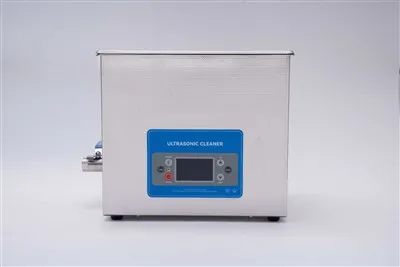
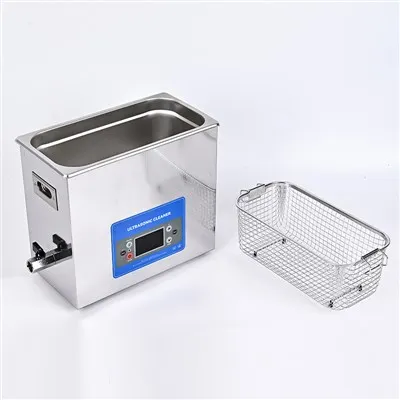
As a supplier of Ultrasonic Bike Chain Cleaners, I've witnessed firsthand the crucial role that water quality plays in the performance of these innovative cleaning devices. In this blog post, I'll delve into the science behind how water quality affects the efficiency and effectiveness of an ultrasonic bike chain cleaner, and why it's essential for bike enthusiasts and professionals alike to pay attention to this often-overlooked factor.
The Basics of Ultrasonic Cleaning
Before we explore the impact of water quality, let's briefly review how an ultrasonic bike chain cleaner works. Ultrasonic cleaning relies on high-frequency sound waves to create millions of tiny bubbles in the cleaning solution. These bubbles undergo a process called cavitation, where they rapidly expand and collapse, generating intense shockwaves that dislodge dirt, grime, and contaminants from the surface of the bike chain.
The cleaning solution, typically a mixture of water and a specialized cleaning agent, is crucial for facilitating the cavitation process. Water serves as the medium through which the ultrasonic waves propagate, and its quality can significantly influence the effectiveness of the cleaning process.
The Role of Water Quality in Ultrasonic Cleaning
Water quality encompasses several factors, including hardness, pH level, and the presence of impurities. Each of these factors can have a profound impact on the performance of an ultrasonic bike chain cleaner.
Water Hardness
Water hardness refers to the concentration of dissolved minerals, primarily calcium and magnesium, in the water. Hard water contains high levels of these minerals, which can form scale deposits on the surface of the bike chain and the interior of the ultrasonic cleaner. These scale deposits can interfere with the cavitation process, reducing the effectiveness of the cleaning and potentially damaging the ultrasonic transducer.
In addition to scale formation, hard water can also react with the cleaning agent, reducing its effectiveness and leaving behind a residue on the bike chain. This residue can attract more dirt and grime, making the chain dirtier over time.
To mitigate the effects of hard water, it's recommended to use distilled or deionized water in the ultrasonic cleaner. These types of water have a low mineral content, reducing the risk of scale formation and ensuring optimal cleaning performance.
pH Level
The pH level of the water refers to its acidity or alkalinity. The ideal pH range for ultrasonic cleaning is between 7 and 9, which is slightly alkaline. This pH range helps to enhance the cleaning power of the solution and prevent corrosion of the bike chain and the ultrasonic cleaner.
If the water is too acidic (pH below 7), it can cause corrosion of the metal components of the bike chain and the ultrasonic cleaner. On the other hand, if the water is too alkaline (pH above 9), it can leave behind a residue on the bike chain and reduce the effectiveness of the cleaning agent.
To maintain the optimal pH level, it's important to use a cleaning agent that is specifically formulated for ultrasonic cleaning and to monitor the pH level of the water regularly.
Impurities
Impurities in the water, such as dirt, debris, and microorganisms, can also affect the performance of the ultrasonic cleaner. These impurities can clog the ultrasonic transducer and reduce the intensity of the ultrasonic waves, making it more difficult to dislodge dirt and grime from the bike chain.
In addition, impurities in the water can react with the cleaning agent, reducing its effectiveness and leaving behind a residue on the bike chain. To prevent these issues, it's important to use clean, filtered water in the ultrasonic cleaner and to replace the water regularly.
The Impact of Water Quality on Cleaning Performance
The quality of the water used in the ultrasonic cleaner can have a significant impact on the cleaning performance. Poor water quality can result in incomplete cleaning, leaving behind dirt and grime on the bike chain. This not only affects the appearance of the chain but also its performance and longevity.
In addition to incomplete cleaning, poor water quality can also cause damage to the bike chain and the ultrasonic cleaner. Scale deposits and corrosion can weaken the metal components of the chain, making it more prone to breakage. Damage to the ultrasonic transducer can also reduce the effectiveness of the cleaning and increase the risk of costly repairs.
On the other hand, using high-quality water can enhance the cleaning performance of the ultrasonic cleaner, ensuring that the bike chain is thoroughly cleaned and free from dirt and grime. This not only improves the appearance of the chain but also its performance and longevity.
Choosing the Right Water for Ultrasonic Cleaning
When it comes to choosing the right water for ultrasonic cleaning, there are several options available.
Distilled Water
Distilled water is water that has been purified through a process of distillation, which involves boiling the water and condensing the steam. This process removes most of the impurities and minerals from the water, making it ideal for ultrasonic cleaning.
Distilled water has a very low mineral content, reducing the risk of scale formation and ensuring optimal cleaning performance. It also has a neutral pH level, which is ideal for ultrasonic cleaning.


Deionized Water
Deionized water is water that has been purified through a process of ion exchange, which removes all of the dissolved ions from the water. This process results in water that is extremely pure, with a very low mineral content and a neutral pH level.
Deionized water is similar to distilled water in terms of its purity and suitability for ultrasonic cleaning. However, it is typically more expensive and may not be readily available in all areas.
Filtered Water
Filtered water is water that has been purified through a process of filtration, which removes some of the impurities and contaminants from the water. While filtered water is not as pure as distilled or deionized water, it can still be used in the ultrasonic cleaner if it has a low mineral content and a neutral pH level.
When using filtered water, it's important to choose a high-quality filter that is capable of removing a wide range of impurities, including dirt, debris, and microorganisms.
Tips for Maintaining Optimal Water Quality
In addition to choosing the right water for ultrasonic cleaning, there are several other steps you can take to maintain optimal water quality and ensure the best possible cleaning performance.
Regularly Replace the Water
Over time, the water in the ultrasonic cleaner can become contaminated with dirt, grime, and cleaning agent residue. To prevent these contaminants from interfering with the cleaning process, it's important to replace the water regularly.
The frequency of water replacement depends on several factors, including the frequency of use, the type of cleaning agent used, and the level of dirt and grime on the bike chain. As a general rule, it's recommended to replace the water after every 5-10 cleaning cycles.
Clean the Ultrasonic Cleaner Regularly
In addition to replacing the water, it's also important to clean the ultrasonic cleaner regularly to remove any scale deposits, dirt, and debris that may have accumulated on the interior of the cleaner. This can be done by using a mild cleaning solution and a soft brush to gently scrub the interior of the cleaner.
Monitor the Water Quality
To ensure that the water quality remains optimal, it's important to monitor the water hardness, pH level, and the presence of impurities regularly. This can be done using a water testing kit, which is available at most hardware stores.
If the water quality is found to be outside of the optimal range, it's important to take corrective action immediately. This may involve using a water softener to reduce the hardness of the water, adjusting the pH level using a pH adjuster, or replacing the water with distilled or deionized water.
Conclusion
In conclusion, water quality plays a crucial role in the performance of an ultrasonic bike chain cleaner. Poor water quality can reduce the effectiveness of the cleaning process, cause damage to the bike chain and the ultrasonic cleaner, and leave behind a residue on the chain.
To ensure optimal cleaning performance, it's important to choose the right water for ultrasonic cleaning, maintain optimal water quality, and follow the manufacturer's instructions for using the ultrasonic cleaner. By taking these steps, you can ensure that your bike chain is always clean and in top condition, prolonging its lifespan and improving its performance.
If you're interested in purchasing an Ultrasonic Bike Chain Cleaner or have any questions about water quality and ultrasonic cleaning, please don't hesitate to contact us. We're here to help you find the right solution for your needs and ensure that you get the most out of your ultrasonic cleaner.
References
- "Ultrasonic Cleaning: Principles and Applications." ASM International, 2004.
- "Water Quality and Its Impact on Ultrasonic Cleaning." Ultrasonic Industries, Inc., 2015.
- "The Science of Ultrasonic Cleaning." Branson Ultrasonics Corporation, 2018.