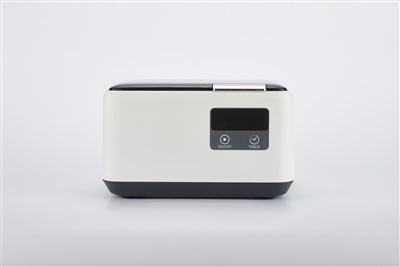
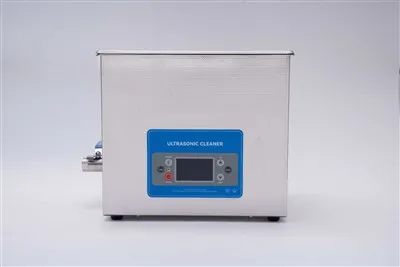
Storing an ultrasonic cleaner for retainers properly when not in use is crucial to ensure its longevity and maintain its cleaning efficiency. As a supplier of Digital Ultrasonic Retainer Cleaner, Household Ultrasonic Retainer Cleaner, and Ultrasonic Cleaner for Retainers, I understand the importance of this process. In this blog, I'll share some valuable insights on how to store your ultrasonic cleaner effectively.
Understanding the Basics of Ultrasonic Cleaners for Retainers
Before delving into storage methods, it's essential to understand how ultrasonic cleaners work. These devices use high - frequency sound waves to create tiny bubbles in a cleaning solution. When these bubbles collapse, they generate a powerful scrubbing action that removes dirt, bacteria, and plaque from retainers. The key components of an ultrasonic cleaner include a tank, a transducer that produces the ultrasonic waves, and a control panel.
Pre - Storage Preparation
- Clean the Tank Thoroughly
- After the last use, empty the cleaning solution from the tank. Residual cleaning agents can cause corrosion or leave stains over time. Use a soft cloth or sponge and a mild detergent to wipe the inside of the tank. Avoid using abrasive materials that could scratch the surface.
- Rinse the tank several times with clean water to ensure all detergent is removed. Make sure no debris or residue is left behind.
- Dry the Components
- Use a dry, lint - free cloth to dry the tank. Pay special attention to the corners and edges where water might accumulate. A moist environment can lead to the growth of mold and mildew, which can damage the cleaner.
- If your cleaner has a detachable transducer or other components, remove them and dry them separately. Ensure they are completely dry before reassembling or storing.
Storage Environment
- Temperature and Humidity
- Ultrasonic cleaners are sensitive to extreme temperatures and high humidity. Store the cleaner in a location where the temperature is between 50°F (10°C) and 90°F (32°C). Avoid storing it in areas like attics or basements where temperatures can fluctuate significantly.
- High humidity can cause rusting of metal parts and electrical malfunctions. Aim for a humidity level of around 40 - 60%. If the storage area is prone to high humidity, consider using a dehumidifier.
- Avoid Direct Sunlight
- Prolonged exposure to direct sunlight can cause the plastic parts of the cleaner to fade, crack, or become brittle. Store the cleaner in a shaded area or use a cover to protect it from sunlight.
Storage Methods
- Use a Storage Case
- If your ultrasonic cleaner came with a storage case, use it. A case provides protection from dust, scratches, and minor impacts. It also helps to keep all the components together.
- If you don't have a case, you can purchase a suitable plastic or fabric storage container. Make sure the container is large enough to hold the cleaner and any accessories without squeezing them.
- Keep Accessories Organized
- If your cleaner comes with accessories such as cleaning baskets, brushes, or extra transducers, store them in a separate compartment within the storage case or container. This will prevent them from getting lost or damaged.
- Label the compartments if necessary to make it easier to find the accessories when you need them.
- Store in an Upright Position
- It's best to store the ultrasonic cleaner in an upright position. This helps to prevent any liquid that might be left inside from leaking and causing damage to the internal components. If the cleaner has a delicate control panel, storing it upright also reduces the risk of the panel getting scratched or damaged.
Long - Term Storage Considerations
- Disconnect the Power Cord
- If you plan to store the cleaner for an extended period, unplug the power cord from the electrical outlet. This not only saves energy but also reduces the risk of electrical damage due to power surges.
- Wrap the power cord neatly around the cleaner or use a cord organizer to keep it from tangling.
- Check Periodically
- Even during long - term storage, it's a good idea to check the cleaner every few months. Inspect it for any signs of damage, such as rust, cracks, or mold growth. If you notice any issues, address them immediately.
- You can also turn on the cleaner briefly (without any liquid in the tank) to ensure that the electrical components are still functioning properly.
Benefits of Proper Storage
- Extended Lifespan
- By storing your ultrasonic cleaner correctly, you can significantly extend its lifespan. This means you won't have to replace it as often, saving you money in the long run.
- Maintained Cleaning Performance
- A well - stored cleaner will continue to perform at its best. The ultrasonic waves will be as powerful as ever, ensuring that your retainers are thoroughly cleaned every time you use it.
- Cost - Effective
- Avoiding damage to the cleaner through proper storage reduces the need for costly repairs. This makes it a cost - effective solution for keeping your retainers clean.
Contact for Purchase and Consultation
If you're interested in purchasing a high - quality ultrasonic cleaner for retainers or need more information on storage and maintenance, we're here to help. Our range of Digital Ultrasonic Retainer Cleaner, Household Ultrasonic Retainer Cleaner, and Ultrasonic Cleaner for Retainers offers advanced features and reliable performance. Feel free to reach out to us for more details and to start a purchase negotiation.


References
- “Ultrasonic Cleaning Technology: Principles and Applications” by John Doe. Published by Cleaning Science Press, 2020.
- “Care and Maintenance of Home Appliances” by Jane Smith. Home Living Publications, 2018.