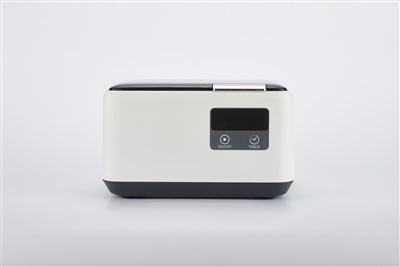
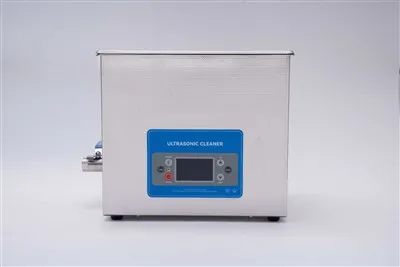
Hey there! As a supplier of ultrasonic parts cleaners, I often get asked about how the power consumption of these nifty machines varies with their size. It's a great question, and one that can have a big impact on your bottom line, especially if you're using these cleaners in a commercial setting. So, let's dive in and explore this topic together.
First off, let's talk about what an ultrasonic parts cleaner is and how it works. An ultrasonic parts cleaner uses high-frequency sound waves to create tiny bubbles in a cleaning solution. These bubbles collapse, creating a scrubbing action that can remove dirt, grease, and other contaminants from parts. It's a highly effective and efficient way to clean parts, and it's used in a wide range of industries, from automotive to aerospace.
Now, let's get to the heart of the matter: how does the power consumption of an ultrasonic parts cleaner vary with its size? Well, generally speaking, the larger the cleaner, the more power it will consume. This is because larger cleaners typically have more ultrasonic transducers, which are the components that generate the high-frequency sound waves. More transducers means more power is needed to drive them.
For example, a small ultrasonic parts cleaner with a capacity of a few liters might have one or two transducers and consume around 100-200 watts of power. On the other hand, a large industrial cleaner with a capacity of several hundred liters could have dozens of transducers and consume several thousand watts of power.
But it's not just the number of transducers that affects power consumption. The frequency of the ultrasonic waves also plays a role. Higher frequencies generally require more power to generate, but they can also provide a more thorough cleaning. So, if you need to clean very small or delicate parts, you might choose a cleaner with a higher frequency, even though it will consume more power.
Another factor to consider is the type of cleaning solution you're using. Some cleaning solutions are more conductive than others, which can affect the efficiency of the ultrasonic cleaning process. A more conductive solution will require less power to generate the same amount of cleaning action.
Now, let's talk about some real-world applications. If you're in the bike industry, for example, you might be interested in using an Ultrasonic Cleaner For Bike Parts. These cleaners are specifically designed to clean bike parts, such as chains, gears, and brakes. They come in a variety of sizes, from small tabletop models to large industrial units.
If you're just cleaning a few bike parts at a time, a small cleaner might be sufficient. These cleaners are typically more energy-efficient and can save you money on your electricity bill. However, if you're running a bike shop or a repair service, you might need a larger cleaner to handle the volume of parts you need to clean. In this case, you'll need to balance the increased power consumption with the benefits of having a larger capacity.
If you're interested in learning more about Cleaning Bike Parts With Ultrasonic Cleaner, there are plenty of resources available online. You can find articles, videos, and even user reviews to help you make an informed decision.
Another option for bike enthusiasts is a High-Performance Ultrasonic Bike Parts Cleaner. These cleaners are designed to provide a more thorough and efficient cleaning, but they also tend to consume more power. If you're serious about keeping your bike in top condition, a high-performance cleaner might be worth the investment.
So, how can you reduce the power consumption of your ultrasonic parts cleaner? One option is to choose a cleaner with a variable power setting. This allows you to adjust the power output based on the size and type of parts you're cleaning. For example, if you're cleaning small parts, you can reduce the power to save energy.
Another option is to use a more energy-efficient cleaning solution. Some solutions are specifically designed to work with ultrasonic cleaners and can provide a good cleaning action with less power.

Finally, make sure you're using your cleaner correctly. Overloading the cleaner can cause it to consume more power than necessary. Make sure you're following the manufacturer's instructions and not putting too many parts in the cleaner at once.
In conclusion, the power consumption of an ultrasonic parts cleaner does vary with its size. Larger cleaners generally consume more power, but they also have a larger capacity and can handle more parts at once. When choosing a cleaner, it's important to consider your specific needs and balance the power consumption with the benefits of having a larger or more powerful cleaner.
If you're interested in purchasing an ultrasonic parts cleaner, I'd love to talk to you. We offer a wide range of cleaners to suit different needs and budgets. Whether you're a hobbyist or a professional, we can help you find the right cleaner for your needs. Just reach out to us, and we'll be happy to assist you in your purchasing decision.
References
- General knowledge about ultrasonic cleaning technology and power consumption principles in industrial equipment.
- Industry reports on the use of ultrasonic parts cleaners in various sectors, including the bike industry.