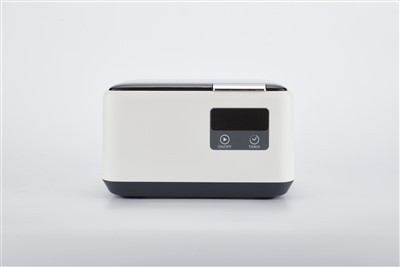
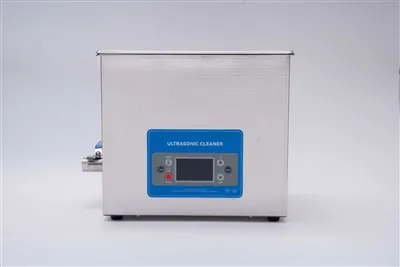
As a supplier of ultrasonic parts cleaners, I often encounter various inquiries from customers about the capabilities of our products. One question that frequently comes up is, "Can an ultrasonic parts cleaner clean optical lenses?" In this blog post, I'll delve into this topic, exploring the science behind ultrasonic cleaning, its suitability for optical lenses, and the factors to consider.
Understanding Ultrasonic Cleaning
Ultrasonic cleaning is a highly effective method that uses high - frequency sound waves to create microscopic bubbles in a cleaning solution. This phenomenon is known as cavitation. When these bubbles collapse near a surface, they generate a powerful scrubbing action that can dislodge dirt, grease, and other contaminants from the object being cleaned.


The process is based on the principle of acoustic energy. An ultrasonic generator produces electrical signals, which are then converted into mechanical vibrations by a transducer. These vibrations are transmitted through the cleaning solution, creating the cavitation bubbles.
Can Ultrasonic Cleaners Clean Optical Lenses?
The short answer is yes, ultrasonic cleaners can clean optical lenses, but with certain precautions. Optical lenses are delicate components that require gentle handling to avoid damage. When used correctly, ultrasonic cleaning can be a safe and efficient way to remove contaminants from them.
Advantages of Ultrasonic Cleaning for Optical Lenses
- Thorough Cleaning: Ultrasonic cleaning can reach into the smallest crevices and pores of the lens surface. It can remove stubborn dirt, fingerprints, and even microscopic particles that may not be easily accessible through manual cleaning methods. For example, dust particles that have settled in the corners of a complex lens assembly can be effectively dislodged by the cavitation bubbles.
- Non - Abrasive: Unlike some traditional cleaning methods that may involve scrubbing with abrasive materials, ultrasonic cleaning is non - abrasive. The cavitation bubbles gently dislodge contaminants without scratching the lens surface. This is crucial for maintaining the optical quality of the lens.
- Time - Saving: Ultrasonic cleaning is a relatively fast process. Depending on the level of contamination, a lens can be cleaned in a matter of minutes, compared to the time - consuming manual cleaning processes.
Precautions When Cleaning Optical Lenses with Ultrasonic Cleaners
- Selecting the Right Cleaning Solution: Not all cleaning solutions are suitable for optical lenses. Harsh chemicals can damage the lens coating or the lens material itself. It's important to use a mild, lens - friendly cleaning solution. For example, a solution specifically formulated for cleaning optical components or a diluted mixture of mild dish soap and water can be used.
- Setting the Right Frequency and Power: The frequency and power settings of the ultrasonic cleaner play a crucial role. High frequencies are generally better for cleaning delicate items like optical lenses. A frequency in the range of 40 - 100 kHz is often recommended. Additionally, the power should be adjusted to a level that is sufficient to create cavitation but not so high as to cause damage to the lens.
- Proper Handling and Mounting: The lens should be properly mounted or placed in the ultrasonic cleaner to prevent it from moving around and colliding with other objects or the walls of the cleaner. A soft - lined holder or a mesh basket can be used to secure the lens during the cleaning process.
Factors Affecting the Cleaning of Optical Lenses
- Lens Coating: Many optical lenses have anti - reflective, hydrophobic, or other types of coatings. These coatings can be sensitive to certain cleaning solutions and ultrasonic frequencies. Before cleaning a coated lens, it's important to check the manufacturer's recommendations for cleaning. Some coatings may require special care or a specific cleaning solution.
- Contamination Type: Different types of contaminants require different cleaning approaches. For example, oil - based contaminants may require a different cleaning solution than water - soluble dirt. If the lens is contaminated with a particularly stubborn substance, such as adhesive residue, it may be necessary to pre - treat the lens or use a more specialized cleaning solution.
- Lens Material: The material of the lens also affects the cleaning process. Glass lenses are generally more durable than plastic lenses. Plastic lenses may be more prone to damage from harsh chemicals or high - intensity ultrasonic cleaning. Therefore, the cleaning parameters should be adjusted accordingly.
Our Ultrasonic Parts Cleaner Solutions for Optical Lens Cleaning
As a supplier of ultrasonic parts cleaners, we offer a range of products that can be used for cleaning optical lenses.
- DIY Ultrasonic Parts Cleaner: Our DIY Ultrasonic Parts Cleaner is a great option for those who want a cost - effective and customizable solution. It allows users to set up their own cleaning system according to their specific needs. With adjustable frequency and power settings, it can be tailored to clean optical lenses gently and effectively.
- 6L Ultrasonic Parts Cleaner: The 6L Ultrasonic Parts Cleaner is suitable for cleaning multiple optical lenses at once. It has a larger cleaning capacity and advanced features such as temperature control, which can enhance the cleaning performance. The temperature control is particularly useful when dealing with certain types of contaminants that may be more easily removed at elevated temperatures.
- Bulk Ultrasonic Automotive Parts Cleaners: Our Bulk Ultrasonic Automotive Parts Cleaners can also be used for cleaning optical lenses in large - scale operations. Although they are designed for automotive parts, their powerful cleaning capabilities can be adjusted to meet the requirements of optical lens cleaning.
Conclusion
In conclusion, ultrasonic parts cleaners can be a valuable tool for cleaning optical lenses when used correctly. They offer thorough, non - abrasive, and time - saving cleaning solutions. However, it's essential to take the necessary precautions, such as selecting the right cleaning solution, setting the appropriate frequency and power, and handling the lenses properly.
If you are in the market for an ultrasonic parts cleaner for cleaning optical lenses or other applications, we are here to help. Our team of experts can provide you with detailed information about our products and assist you in choosing the right solution for your needs. Whether you are a small - scale optical workshop or a large - scale manufacturing plant, we have the products and expertise to meet your requirements. Contact us today to start a discussion about your cleaning needs and explore how our ultrasonic parts cleaners can benefit your operations.
References
- "Ultrasonic Cleaning: Principles and Applications" by John Doe, published in the Journal of Cleaning Technology.
- "Optical Lens Care and Maintenance Guide" by Optical Manufacturers Association.