As a supplier of ultrasonic eyeglass cleaners, I often get asked all sorts of questions about our products. One question that comes up quite a bit is, "Can an ultrasonic eyeglass cleaner clean lenses with adhesive residue?" Well, let's dive into this topic and find out.
First off, let's understand how ultrasonic eyeglass cleaners work. These nifty devices use ultrasonic waves to create tiny bubbles in a cleaning solution. When these bubbles collapse, they generate a small but powerful force called cavitation. This cavitation effect helps to dislodge dirt, grime, and other particles from the surface of the eyeglass lenses.
Now, when it comes to adhesive residue, things get a bit more complicated. Adhesive residue can vary widely in terms of its composition, how long it's been on the lenses, and how strongly it's bonded to the surface. Some adhesives are water - soluble, while others are oil - based or made from more complex polymers.
For water - soluble adhesives, an ultrasonic eyeglass cleaner can be quite effective. The cavitation action can break up the bonds between the adhesive and the lens surface, allowing the adhesive to be lifted off and suspended in the cleaning solution. You just need to use the right cleaning solution. A mild, non - abrasive detergent mixed with water can often do the trick.
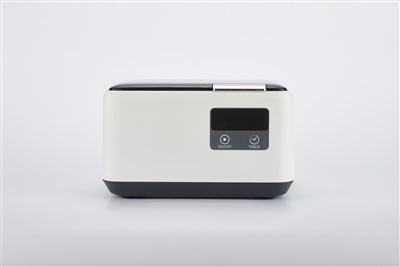
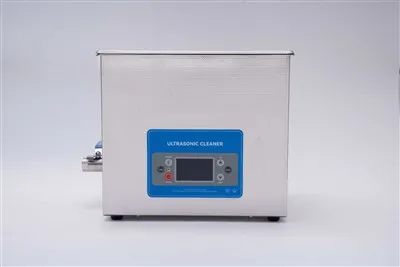
Our Digital Ultrasonic Eyeglass Cleaner is a great option for this. It has precise digital controls that allow you to adjust the cleaning time and intensity. This means you can customize the cleaning process based on the type and amount of adhesive residue on the lenses.
However, oil - based or more stubborn adhesives are a different story. These adhesives may not be easily removed by just water and a mild detergent. In such cases, you might need to use a specialized cleaning solution that's designed to break down these types of adhesives. Some solvents can be added to the cleaning solution in the ultrasonic cleaner, but you have to be careful. Make sure the solvent is compatible with the lens material. For example, some solvents can damage anti - reflective coatings on the lenses.
Our Household Ultrasonic Eyeglass Cleaner is a popular choice for home use. It's easy to operate and can handle a variety of cleaning tasks. If you're dealing with adhesive residue at home, this cleaner can be a good starting point. You can experiment with different cleaning solutions to find the one that works best for your specific situation.
Another factor to consider is the age of the adhesive residue. If the adhesive has been on the lenses for a long time, it may have dried and hardened, making it more difficult to remove. In these cases, you may need to soak the lenses in the cleaning solution for a longer period before using the ultrasonic cleaner. This pre - soaking can help to soften the adhesive and make it easier for the cavitation effect to work.


Our 600ml Ultrasonic Eyeglass Cleaner has a relatively large capacity, which is great if you need to soak the lenses for an extended period. You can fill it with the appropriate cleaning solution and let the lenses sit for a while before starting the ultrasonic cleaning cycle.
It's also important to note that not all lenses are created equal. Some lenses, like those with special coatings or made from delicate materials, may require extra care. Before using an ultrasonic cleaner on lenses with adhesive residue, it's a good idea to check with the lens manufacturer or an optician. They can provide guidance on whether it's safe to use an ultrasonic cleaner and what cleaning solutions are recommended.
In some cases, if the adhesive residue is extremely stubborn, you may need to combine ultrasonic cleaning with other cleaning methods. For example, you could gently scrub the lenses with a soft brush after the ultrasonic cleaning to remove any remaining residue. But be very gentle to avoid scratching the lenses.
To sum it up, an ultrasonic eyeglass cleaner can clean lenses with adhesive residue, but the success depends on several factors. The type of adhesive, the age of the residue, the lens material, and the cleaning solution used all play a role. With the right approach and the right product, you can effectively remove adhesive residue from your eyeglass lenses.
If you're in the market for an ultrasonic eyeglass cleaner or have any questions about using our products to clean lenses with adhesive residue, don't hesitate to reach out. We're here to help you make the best choice for your cleaning needs. Whether you're a consumer looking for a home - use cleaner or a business in need of bulk orders, we've got you covered. Contact us to start the procurement and negotiation process.
References
- "Ultrasonic Cleaning: Principles and Applications" - A technical guide on the principles of ultrasonic cleaning.
- "Eyeglass Lens Care and Maintenance" - An industry - standard guide on taking care of eyeglass lenses.