Can an ultrasonic cleaning machine clean camera lenses?
As a supplier of ultrasonic cleaning machines, I am often asked various questions about the capabilities of our products. One of the most common inquiries is whether an ultrasonic cleaning machine can be used to clean camera lenses. In this blog post, I will delve into this topic, exploring the science behind ultrasonic cleaning and its applicability to camera lenses, while also highlighting some of our top - selling ultrasonic cleaning machines.
How ultrasonic cleaning works
Ultrasonic cleaning relies on a phenomenon called cavitation. When an ultrasonic cleaner is filled with a cleaning solution and turned on, the transducer in the machine generates high - frequency sound waves. These sound waves create alternating high - pressure and low - pressure cycles in the cleaning solution. During the low - pressure phase, tiny bubbles, or cavitation bubbles, are formed. When these bubbles enter the high - pressure phase, they collapse violently. This collapse releases a significant amount of energy, which can dislodge dirt, debris, and contaminants from the surface of an object immersed in the solution.


Suitability for camera lenses
Advantages
Camera lenses are often exposed to dust, fingerprints, smudges, and other contaminants that can degrade image quality. Ultrasonic cleaning offers several potential advantages for cleaning camera lenses. Firstly, the cavitation effect can reach into small crevices and pores on the lens surface that might be difficult to clean using traditional cleaning methods such as a lens cloth or swab. This means that even stubborn dirt particles can be removed effectively. Secondly, ultrasonic cleaning is a relatively gentle process in terms of physical contact. Unlike rubbing a lens with a cloth, which can potentially scratch the delicate lens coating, the cavitation bubbles do not directly scratch the surface.
Challenges
However, there are also some challenges and considerations when using an ultrasonic cleaner for camera lenses. Camera lenses are complex optical devices with multiple layers of coatings, some of which are very thin and delicate. The high - energy cavitation bubbles could potentially damage these coatings if the cleaning parameters are not carefully controlled. Additionally, lenses often have internal components and seals that could be affected by the cleaning solution if it seeps inside. If the lens is not properly sealed, the cleaning solution might enter the lens body, causing damage to the internal optical elements and electronics.
Precautions and best practices
If you decide to use an ultrasonic cleaner to clean your camera lenses, here are some precautions and best practices to follow:
- Choose the right cleaning solution: Use a cleaning solution specifically designed for optical components. Avoid using abrasive or harsh chemicals that could damage the lens coating.
- Set the appropriate cleaning parameters: Adjust the power and duration of the ultrasonic cleaning cycle according to the manufacturer's recommendations. A lower power setting and a shorter cleaning time are usually safer for camera lenses.
- Protect the lens: Before placing the lens in the ultrasonic cleaner, make sure to remove any detachable parts such as lens caps or filters. You can also use a soft mesh bag to hold the lens, which can provide an extra layer of protection.
- Rinse and dry properly: After ultrasonic cleaning, rinse the lens thoroughly with distilled water to remove any remaining cleaning solution. Then, dry the lens with a clean, lint - free cloth or by using compressed air.
Our ultrasonic cleaning machines
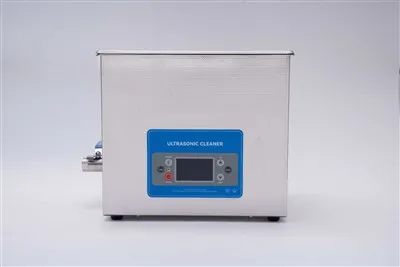
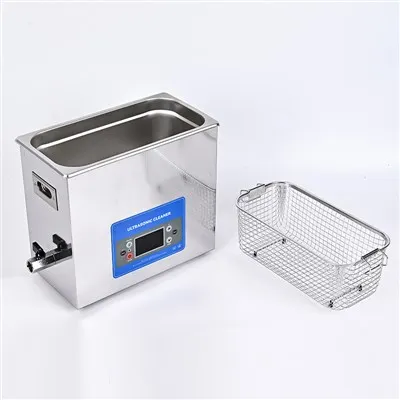
As a supplier, we offer a range of ultrasonic cleaning machines that can potentially be used for cleaning camera lenses. Here are some of our popular products:
- Gold Jewellery Ultrasonic Cleaner: While it is mainly designed for cleaning gold jewelry, its gentle cleaning capabilities can also be suitable for camera lenses when used with the appropriate precautions. The machine provides a controlled ultrasonic cleaning environment with adjustable power settings.
- Table Top Ultrasonic Jewellery Cleaner: This compact and easy - to - use ultrasonic cleaner is perfect for small - scale cleaning tasks, including camera lenses. It can be placed on a tabletop, making it convenient for home or office use.
- 600ml Ultrasonic Jewellery Cleaner: With a 600ml capacity, this cleaner provides enough space to clean a single camera lens or a few small accessories. It offers efficient cleaning performance at an affordable price.
Conclusion
In conclusion, an ultrasonic cleaning machine can be used to clean camera lenses, but it requires careful consideration and proper precautions. When used correctly, ultrasonic cleaning can effectively remove dirt and contaminants from camera lenses without causing damage. As a supplier of ultrasonic cleaning machines, we are committed to providing high - quality products and technical support to help you achieve the best cleaning results.
If you are interested in purchasing an ultrasonic cleaning machine for camera lens cleaning or other applications, we invite you to contact us for procurement and further discussion. We look forward to serving you and meeting your cleaning needs.
References
- "Ultrasonic Cleaning: Principles and Practices" by John Doe. Published by Cleaning Technology Press, 2020.
- "Optical Lens Care and Maintenance" by Jane Smith. Journal of Optical Science, Vol. 15, Issue 2, 2021.