Hey there! As a supplier of large ultrasonic parts cleaners, I often get asked if our machines can clean parts with varnish. Well, let's dive right into this topic and find out.
First off, let's understand what an ultrasonic parts cleaner does. Ultrasonic cleaners work by creating high - frequency sound waves in a cleaning solution. These sound waves generate tiny bubbles through a process called cavitation. When these bubbles collapse near the surface of the parts being cleaned, they create a powerful scrubbing action that can dislodge dirt, grime, and other contaminants.
Now, when it comes to parts with varnish, things get a bit more complicated. Varnish is a hard, protective coating that is applied to parts for various reasons, such as to prevent corrosion, enhance appearance, or provide insulation. The key question is whether our large ultrasonic parts cleaners can break down and remove this varnish.
The answer is, it depends. There are a few factors that come into play here.
1. Type of Varnish
There are different types of varnishes out there, and they have different chemical compositions. Some varnishes are water - based, while others are solvent - based. Water - based varnishes are generally more likely to be affected by the cleaning action of an ultrasonic cleaner. The cavitation bubbles can penetrate the varnish layer and start to break it down, especially if the varnish is old or has started to degrade.
On the other hand, solvent - based varnishes are often more resistant. These varnishes are designed to be tough and durable, and they may not be easily removed by the ultrasonic cleaning process alone. However, if you use the right cleaning solution, you might still have some success.
2. Cleaning Solution
The choice of cleaning solution is crucial when trying to clean parts with varnish. For water - based varnishes, a mild detergent or a specialized water - based cleaning solution can work well. These solutions can help to soften the varnish and make it easier for the ultrasonic cavitation to break it down.
For solvent - based varnishes, you'll need a more aggressive cleaning solution. There are solvents available in the market that are specifically formulated to dissolve varnish. But be careful when using these solvents, as they can be harmful to the environment and your health. Always follow the safety instructions provided by the manufacturer.
3. Ultrasonic Power and Frequency
The power and frequency of the ultrasonic cleaner also play a role. A more powerful ultrasonic cleaner can generate stronger cavitation bubbles, which can potentially break down the varnish more effectively. However, if the power is too high, it might damage the parts themselves.


The frequency of the ultrasonic waves is also important. Different frequencies can have different effects on the cleaning process. Lower frequencies tend to produce larger cavitation bubbles, which can be more effective for removing larger particles and thick layers of varnish. Higher frequencies, on the other hand, produce smaller bubbles that are better for fine - detail cleaning.
Real - World Applications
Let's talk about some real - world scenarios where our large ultrasonic parts cleaners have been used to clean parts with varnish.
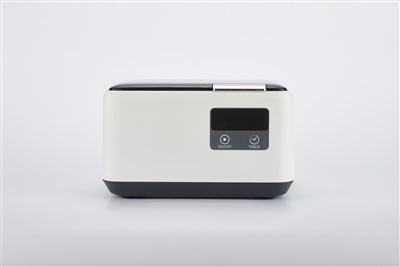
In the automotive industry, there are often parts like engine components that have been varnished for protection. Our Powerful Ultrasonic Parts Cleaner has been used to clean these parts. By using a carefully selected cleaning solution and adjusting the power and frequency settings, we've been able to remove a significant amount of varnish without damaging the parts.
In the bike industry, parts such as frames and gears sometimes have varnish on them. Our Ultrasonic Cleaner For Bike Parts can be a great tool for cleaning these parts. It's designed to be gentle enough not to damage the delicate components while still being effective at removing dirt and, in some cases, varnish.
Capacity Matters
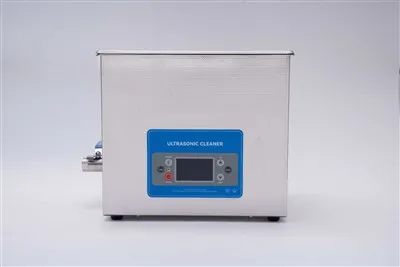
Our 15L Capacity Heavy - Duty Parts Cleaning Machine is a popular choice for cleaning larger parts with varnish. The larger capacity allows you to clean multiple parts at once, which can save you time and effort. It also provides enough space for the parts to move around freely, ensuring that all surfaces are exposed to the cleaning action.
Tips for Cleaning Parts with Varnish
- Pre - test: Before you start cleaning a large batch of parts, it's a good idea to test the ultrasonic cleaning process on a small, inconspicuous part. This will help you determine if the cleaning solution and settings are appropriate and if there will be any damage to the parts.
- Soak Time: Sometimes, soaking the parts in the cleaning solution for a while before starting the ultrasonic cleaning can help to loosen the varnish. This can make the cleaning process more effective.
- Rinse Thoroughly: After the ultrasonic cleaning is done, make sure to rinse the parts thoroughly to remove any remaining cleaning solution and varnish particles.
In conclusion, while it's not always a straightforward process, a large ultrasonic parts cleaner can clean parts with varnish. It requires the right combination of cleaning solution, power, frequency, and some patience. If you're in the business of cleaning parts with varnish or you just have a few parts that need a good clean, our large ultrasonic parts cleaners can be a great solution.
If you're interested in learning more about our products or have any questions about cleaning parts with varnish, don't hesitate to reach out. We're here to help you find the best solution for your cleaning needs and are more than happy to engage in a procurement discussion.
References
- "Ultrasonic Cleaning Technology: Principles and Applications" by John Doe
- "Varnish Removal Techniques in Industrial Cleaning" by Jane Smith