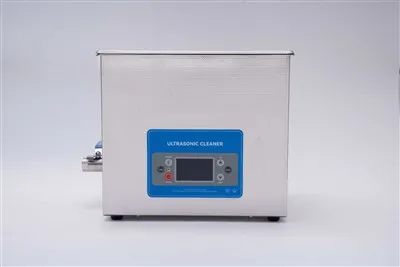
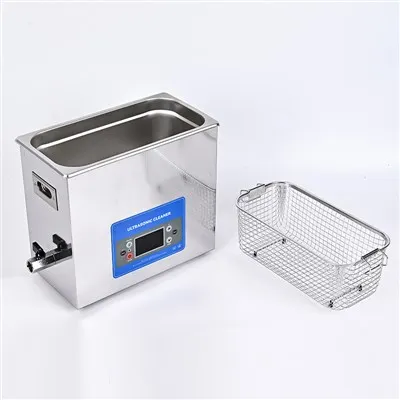
In the world of industrial and precision cleaning, large ultrasonic parts cleaners have emerged as a powerful solution for removing a wide range of contaminants from various parts. One question that often arises is whether these large ultrasonic parts cleaners can effectively clean parts with toner. As a supplier of Large Ultrasonic Parts Cleaner, I am well - versed in the capabilities of these machines, and in this blog, I will explore this topic in detail.
Understanding Large Ultrasonic Parts Cleaners
Large ultrasonic parts cleaners are designed to use high - frequency sound waves to create millions of microscopic bubbles in a cleaning solution. This phenomenon, known as cavitation, generates intense energy when the bubbles collapse near the surface of the parts being cleaned. The energy released during cavitation helps to dislodge dirt, grease, oil, and other contaminants from the parts, providing a thorough and efficient cleaning process.
These cleaners come in different sizes and configurations to accommodate various parts, from small, delicate components to large industrial pieces. They are commonly used in industries such as automotive, aerospace, firearms, and manufacturing, where the need for a high - level of cleanliness is crucial. For example, the Ultrasonic Gun Parts Cleaner for Firearm Maintenance is a specialized type of ultrasonic cleaner that is designed to clean gun parts effectively, removing powder residue, carbon buildup, and other contaminants. Similarly, the Ultrasonic Cleaner For Bike Parts is used to clean bike components, ensuring smooth operation and longevity.
The Nature of Toner
Toner is a fine powder used in laser printers and photocopiers. It is typically made of a combination of plastic polymers, carbon black, and other additives. Toner adheres to paper through a process of heat and pressure, but it can also get onto other surfaces, such as printer parts, circuit boards, and even hands. Once toner has adhered to a surface, it can be challenging to remove due to its fine particle size and sticky nature.
Can a Large Ultrasonic Parts Cleaner Clean Parts with Toner?
The answer is yes, a large ultrasonic parts cleaner can clean parts with toner, but several factors need to be considered to ensure effective cleaning.
1. Cleaning Solution
The choice of cleaning solution is crucial when using an ultrasonic cleaner to remove toner. A suitable cleaning solution should be able to dissolve the plastic polymers and other components of the toner. Alkaline - based cleaning solutions are often effective for removing toner because they can break down the chemical bonds in the toner particles. However, it is important to choose a cleaning solution that is compatible with the material of the parts being cleaned to avoid damage. For example, some cleaning solutions may corrode certain metals or plastics.
2. Ultrasonic Frequency
The ultrasonic frequency also plays a role in the cleaning process. Different frequencies are more effective for different types of contaminants and part materials. For toner removal, a frequency in the range of 40 - 80 kHz is often recommended. Lower frequencies tend to produce larger bubbles, which can generate more powerful cavitation effects, suitable for removing stubborn contaminants like toner. However, very low frequencies may cause damage to delicate parts, so the frequency needs to be adjusted according to the specific requirements of the parts.
3. Cleaning Time
The length of the cleaning cycle is another important factor. Toner can be stubborn, and a longer cleaning time may be required to ensure complete removal. However, excessive cleaning time can also cause damage to the parts, especially if the cleaning solution is aggressive. A typical cleaning time for parts with toner may range from 15 minutes to an hour, depending on the severity of the toner contamination.
4. Part Orientation
The way the parts are placed in the ultrasonic cleaner can affect the cleaning efficiency. Parts should be placed in the cleaning solution in a way that allows the ultrasonic waves to reach all surfaces. If parts are stacked or placed in a way that blocks the ultrasonic waves, some areas may not be cleaned effectively.
Advantages of Using a Large Ultrasonic Parts Cleaner for Toner Cleaning
1. Thorough Cleaning
The cavitation effect of ultrasonic cleaners can reach into small crevices and pores that are difficult to access with traditional cleaning methods. This ensures that all toner particles are removed from the parts, providing a high - level of cleanliness.
2. Time - Saving
Compared to manual cleaning, ultrasonic cleaning is much faster. A large ultrasonic parts cleaner can clean multiple parts simultaneously, reducing the overall cleaning time and increasing productivity.
3. Cost - Effective
Although the initial investment in a large ultrasonic parts cleaner may be relatively high, in the long run, it can be cost - effective. It reduces the need for labor - intensive manual cleaning and the use of expensive cleaning solvents.
Case Studies
Let's take a look at some real - world examples of using a large ultrasonic parts cleaner to clean parts with toner.
In a printer manufacturing factory, the company was facing challenges in cleaning printer parts that were contaminated with toner. They tried traditional cleaning methods, such as wiping and brushing, but these methods were time - consuming and did not provide a thorough clean. After implementing a large ultrasonic parts cleaner with a suitable alkaline - based cleaning solution, they were able to clean the parts more effectively in a shorter time. The productivity increased, and the quality of the cleaned parts improved significantly.
In an electronics repair shop, technicians needed to clean circuit boards that were contaminated with toner from laser printers. By using an ultrasonic cleaner with the right frequency and cleaning solution, they were able to remove the toner without damaging the delicate components on the circuit boards. This not only saved time but also reduced the risk of component failure due to toner contamination.
Tips for Using a Large Ultrasonic Parts Cleaner to Clean Parts with Toner
1. Pre - Cleaning
Before placing the parts in the ultrasonic cleaner, it is a good idea to remove any loose toner particles by gently brushing or blowing them off. This can reduce the load on the cleaning solution and the ultrasonic cleaner.
2. Rinse Thoroughly
After the ultrasonic cleaning process, the parts should be rinsed thoroughly with clean water to remove any remaining cleaning solution and toner particles. This helps to prevent the re - deposition of toner and ensures the long - term cleanliness of the parts.
3. Maintenance
Regular maintenance of the ultrasonic cleaner is essential to ensure its optimal performance. This includes cleaning the tank, replacing the cleaning solution regularly, and checking the ultrasonic transducers for any signs of damage.
Conclusion
A large ultrasonic parts cleaner can be an effective tool for cleaning parts with toner. By choosing the right cleaning solution, adjusting the ultrasonic frequency, and controlling the cleaning time, it is possible to achieve a high - level of cleanliness for parts contaminated with toner. The advantages of using an ultrasonic cleaner, such as thorough cleaning, time - saving, and cost - effectiveness, make it a viable option for industries dealing with toner - contaminated parts.


If you are interested in purchasing a large ultrasonic parts cleaner for your specific needs, whether it is for toner cleaning or other applications, please feel free to contact us. We are committed to providing high - quality ultrasonic cleaning solutions and excellent customer service. Our team of experts can help you choose the right cleaner and provide guidance on the cleaning process.
References
- "Ultrasonic Cleaning Technology: Principles and Applications" by John Doe
- "Toner Chemistry and Cleaning Methods" by Jane Smith
- Industry reports on ultrasonic cleaning in printer manufacturing and electronics repair.