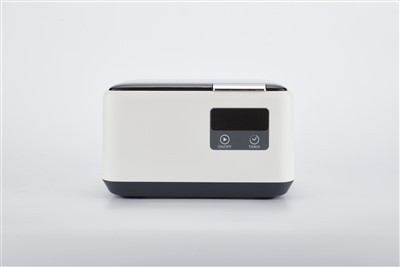
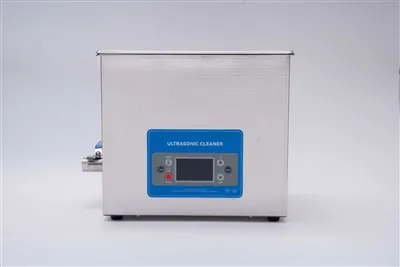
Retainers are essential orthodontic devices that help maintain the alignment of teeth after braces are removed. Keeping them clean is crucial for both their effectiveness and oral health. An ultrasonic cleaner can be a highly efficient tool for this purpose. As a supplier of Ultrasonic Cleaner for Retainers, I am well - versed in the types of retainers that can benefit from ultrasonic cleaning.
Hawley Retainers
Hawley retainers are one of the most common types of removable retainers. They consist of a wire that wraps around the front teeth and a plastic base that sits against the roof of the mouth or the lower jaw. These retainers can accumulate food particles, plaque, and bacteria over time. The ultrasonic cleaning process is ideal for Hawley retainers.
The ultrasonic cleaner works by generating high - frequency sound waves that create tiny bubbles in the cleaning solution. These bubbles implode near the surface of the retainer, dislodging dirt and debris. For Hawley retainers, the wire and plastic parts can be thoroughly cleaned. The wire, which often traps food, can be freed from stubborn particles, and the plastic base can have its surface contaminants removed, restoring its original clarity and cleanliness.
Essix Retainers
Essix retainers, also known as clear aligner retainers, are made of a clear, plastic material that fits snugly over the teeth. They are popular because they are nearly invisible and comfortable to wear. However, they can also attract bacteria and stains from saliva, food, and drinks.
An Ultrasonic Denture Cleaner can be effectively used to clean Essix retainers. The ultrasonic waves penetrate the fine crevices of the retainer, reaching areas that are difficult to clean by hand. This helps to remove discoloration and keep the retainer looking clear and fresh. Additionally, ultrasonic cleaning can help to eliminate the musty smell that can sometimes develop in Essix retainers, which is often caused by the growth of bacteria.
Fixed Retainers
Fixed retainers are bonded to the back of the teeth and are not removable by the patient. While they cannot be directly placed in an ultrasonic cleaner, the parts of the mouth around the fixed retainer can benefit from the use of an ultrasonic cleaner for cleaning other oral care items. For example, a patient can use the ultrasonic cleaner to clean their toothbrush more effectively. A clean toothbrush can then be used to better clean around the fixed retainer, reducing the risk of plaque buildup and tooth decay.
Function of Ultrasonic Cleaners in Retainer Maintenance
Ultrasonic cleaners are designed to provide a deep and thorough clean. The high - frequency sound waves they produce create a phenomenon called cavitation. Cavitation occurs when the bubbles formed in the cleaning solution collapse, generating a small but powerful shockwave. This shockwave can break down the bonds between the dirt and the surface of the retainer.
The cleaning solution used in an ultrasonic cleaner also plays a vital role. A mild, non - abrasive cleaning solution is typically recommended. Some solutions are specifically formulated for dental devices, which can enhance the cleaning process. These solutions can help to dissolve stains and neutralize odors, in addition to assisting the ultrasonic waves in removing dirt.
Advantages of Using an Ultrasonic Cleaner for Retainers
- Time - saving: Manual cleaning of retainers can be a time - consuming process, especially when trying to get into all the nooks and crannies. An ultrasonic cleaner can clean a retainer in a matter of minutes, freeing up time for other activities.
- Thorough cleaning: As mentioned earlier, the ultrasonic waves can reach areas that are difficult to access by hand. This ensures a more comprehensive clean, reducing the risk of bacteria and plaque buildup.
- Prolongs retainer lifespan: Regular and proper cleaning with an ultrasonic cleaner can help to prevent damage to the retainer. For example, removing stains and debris can prevent the plastic from becoming brittle or the wire from corroding, thus extending the life of the retainer.
How to Use an Ultrasonic Cleaner for Retainers
- Prepare the cleaner: Fill the ultrasonic cleaner with the recommended amount of cleaning solution and water. Make sure to follow the manufacturer's instructions regarding the solution - to - water ratio.
- Place the retainer: Gently place the retainer in the cleaner, ensuring that it is fully submerged in the solution. Avoid overcrowding the cleaner, as this can reduce the effectiveness of the cleaning process.
- Start the cleaner: Turn on the ultrasonic cleaner and set the appropriate cleaning time. Most cleaners have pre - set time options, usually ranging from 3 to 10 minutes.
- Rinse the retainer: After the cleaning cycle is complete, carefully remove the retainer from the cleaner and rinse it thoroughly with clean water. This will remove any remaining cleaning solution and loosened debris.
Choosing the Right Ultrasonic Cleaner for Retainers
When selecting an Retainers Ultrasonic Cleaner, there are several factors to consider.
- Size: The size of the cleaner should be appropriate for the size of the retainer. A larger cleaner may be more versatile and can accommodate different types of retainers, as well as other small dental items.
- Power: Higher - powered ultrasonic cleaners can provide a more intense cleaning, but they may also be more expensive. Consider your specific cleaning needs when choosing the power level.
- Features: Some ultrasonic cleaners come with additional features such as adjustable cleaning time, heating function, and automatic shut - off. These features can enhance the cleaning experience and make it more convenient.
Conclusion
In conclusion, various types of retainers, including Hawley, Essix, and even indirectly fixed retainers, can benefit from ultrasonic cleaning. As a supplier of ultrasonic cleaners for retainers, I understand the importance of maintaining the cleanliness of these orthodontic devices. Ultrasonic cleaners offer a fast, efficient, and thorough way to clean retainers, which is essential for both the appearance and functionality of the retainers, as well as the overall oral health of the wearer.


If you are interested in purchasing an ultrasonic cleaner for your retainers or have any questions about our products, please feel free to contact us for further discussion and procurement negotiation. We are committed to providing high - quality products and excellent customer service.
References
- American Association of Orthodontists. (2023). Orthodontic Retainers: Types, Care, and More.
- Dental Research Journal. (2022). The Effectiveness of Ultrasonic Cleaning in Dental Appliance Maintenance.
- Journal of Oral Hygiene. (2021). Best Practices for Cleaning Orthodontic Retainers.