What is the sensitivity of a 40KHz ultrasonic transducer?
As a supplier of 40KHz ultrasonic transducers, I often get asked about the sensitivity of these devices. Sensitivity is a crucial parameter when it comes to ultrasonic transducers, as it directly impacts their performance in various applications. In this blog post, I'll delve into what sensitivity means for a 40KHz ultrasonic transducer, how it's measured, and why it matters in different scenarios.
Understanding Sensitivity in Ultrasonic Transducers
Sensitivity in an ultrasonic transducer refers to its ability to convert electrical energy into ultrasonic waves (transmitting sensitivity) and vice versa, to convert ultrasonic waves into electrical signals (receiving sensitivity). In simpler terms, it's a measure of how effectively the transducer can send out ultrasonic signals and then pick up the echoes or reflections of those signals.
For a 40KHz ultrasonic transducer, which operates at a frequency of 40,000 Hertz, sensitivity is closely related to the efficiency of the piezoelectric material used in the transducer. Piezoelectric materials have the unique property of generating an electric charge when subjected to mechanical stress and, conversely, changing shape when an electric field is applied. This property is the foundation of how ultrasonic transducers work.
The sensitivity of a 40KHz ultrasonic transducer can be influenced by several factors. One of the primary factors is the quality and characteristics of the piezoelectric ceramic used. Different types of piezoelectric ceramics have varying levels of piezoelectric coefficients, which determine how efficiently they can convert between electrical and mechanical energy. Additionally, the design of the transducer, including the shape, size, and the way the piezoelectric element is mounted, can also have a significant impact on sensitivity.
Measuring the Sensitivity of a 40KHz Ultrasonic Transducer
There are several methods to measure the sensitivity of a 40KHz ultrasonic transducer. One common approach is to use a calibrated hydrophone in a water tank. The transducer is placed in the water, and an electrical signal is applied to it to generate ultrasonic waves. The hydrophone, which is a highly sensitive device for detecting ultrasonic waves in water, is then used to measure the acoustic pressure at a specific distance from the transducer.
The transmitting sensitivity is typically expressed in decibels (dB) relative to a reference level. For example, it might be given as a certain number of dB re 1 V/μPa at a specific frequency and distance. This means that for every micro - Pascal of acoustic pressure generated at the measurement point, the transducer requires a certain voltage input.


To measure the receiving sensitivity, the process is reversed. An ultrasonic source is used to generate a known acoustic signal in the water, and the transducer is used to detect this signal. The electrical output of the transducer is then measured, and the receiving sensitivity is calculated as the ratio of the electrical output voltage to the incident acoustic pressure, also expressed in dB.
Another method for measuring sensitivity is through the use of an impedance analyzer. This device can measure the electrical impedance of the transducer as a function of frequency. By analyzing the impedance characteristics, it's possible to infer information about the transducer's sensitivity, as well as other important parameters such as resonance frequency and bandwidth.
Importance of Sensitivity in Different Applications
The sensitivity of a 40KHz ultrasonic transducer plays a vital role in a wide range of applications. Here are some examples:
-
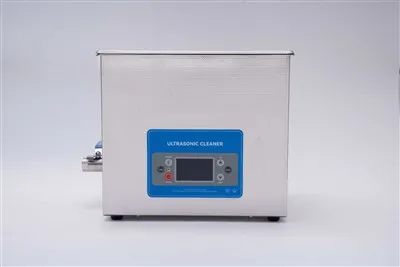
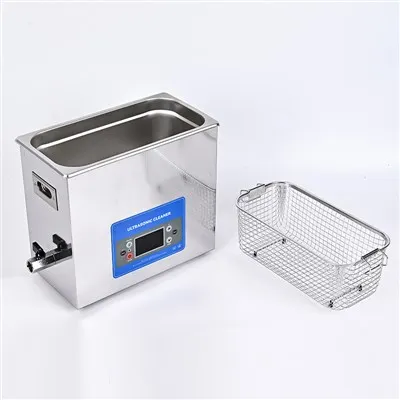
Ultrasonic Cleaning: In ultrasonic cleaning applications, the transducer is used to generate high - frequency ultrasonic waves in a cleaning solution. These waves create cavitation bubbles, which implode and generate powerful shockwaves that can remove dirt and contaminants from the surfaces of objects. A high - sensitivity transducer can generate stronger ultrasonic waves with less electrical power input, making the cleaning process more efficient. For more information on piezo ceramic transducers for ultrasonic cleaning, you can visit Piezo Ceramic Transducer for Ultrasonic Cleaning.
-
Ultrasonic Distance Sensing: Ultrasonic distance sensors use 40KHz transducers to measure the distance to an object by sending out an ultrasonic pulse and measuring the time it takes for the echo to return. A more sensitive transducer can detect weaker echoes, allowing for more accurate distance measurements, especially for objects that are farther away or have low reflectivity.
-
Medical Imaging: Although 40KHz is relatively low compared to the frequencies used in most medical imaging applications, in some specialized cases, such as certain types of therapeutic ultrasound or low - frequency imaging, 40KHz transducers may be used. High sensitivity is crucial in these applications to ensure clear and accurate imaging or effective therapeutic delivery.
-
Non - Destructive Testing (NDT): In NDT, ultrasonic transducers are used to detect internal flaws or defects in materials. A sensitive 40KHz transducer can pick up small changes in the ultrasonic signals caused by flaws, enabling early detection and accurate assessment of the integrity of the material.
Factors Affecting the Sensitivity of 40KHz Ultrasonic Transducers
As mentioned earlier, the piezoelectric material is a key factor in determining the sensitivity of a 40KHz ultrasonic transducer. However, there are other factors that can also have an impact:
-
Temperature: The performance of piezoelectric materials can be affected by temperature. As the temperature changes, the piezoelectric coefficients of the material may vary, which can in turn affect the sensitivity of the transducer. In some cases, temperature compensation techniques may be required to maintain consistent sensitivity over a wide temperature range.
-
Acoustic Coupling: The way the transducer is coupled to the medium in which it operates is also important. For example, in ultrasonic cleaning applications, the transducer needs to be properly coupled to the cleaning solution to ensure efficient transfer of ultrasonic energy. Poor acoustic coupling can lead to a decrease in sensitivity.
-
Aging and Wear: Over time, the piezoelectric material in the transducer may degrade due to factors such as mechanical stress, electrical stress, and environmental exposure. This can result in a decrease in sensitivity as the transducer ages. Regular maintenance and quality control measures can help mitigate these effects.
How Our 40KHz Ultrasonic Transducers Stand Out
At our company, we take great pride in manufacturing high - sensitivity 40KHz ultrasonic transducers. We use the latest piezoelectric materials and advanced manufacturing techniques to ensure that our transducers offer excellent performance. Our R & D team continuously works on improving the design and manufacturing processes to enhance the sensitivity and reliability of our products.
We also offer a wide range of 40KHz ultrasonic transducers to meet the diverse needs of our customers. Whether you're looking for a transducer for ultrasonic cleaning, distance sensing, or other applications, we have the right solution for you. In addition to our standard products, we can also provide customized solutions based on your specific requirements.
If you're interested in our high - frequency ultrasonic transducers, you can visit High Frequency Ultrasonic Transducer. And for more information on our ultrasonic transducer probes, check out Ultrasonic Transducer Probe.
Contact Us for Procurement and洽谈
If you're in the market for high - quality 40KHz ultrasonic transducers, we'd love to hear from you. Our team of experts is ready to assist you in selecting the right transducer for your application and discussing the details of your procurement. Whether you have questions about sensitivity, performance, or customization options, we're here to provide you with the information and support you need. Don't hesitate to reach out to us to start the conversation.
References
- Smith, J. (2018). Ultrasonic Transducer Technology. Academic Press.
- Jones, A. (2020). Piezoelectric Materials for Ultrasonic Applications. Journal of Applied Physics.
- Brown, C. (2019). Measurement Techniques for Ultrasonic Transducer Sensitivity. IEEE Transactions on Ultrasonics, Ferroelectrics, and Frequency Control.