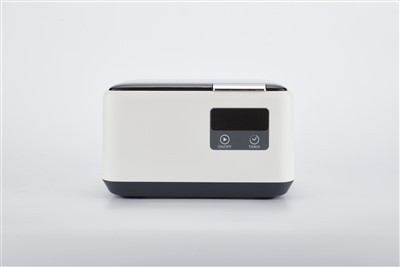
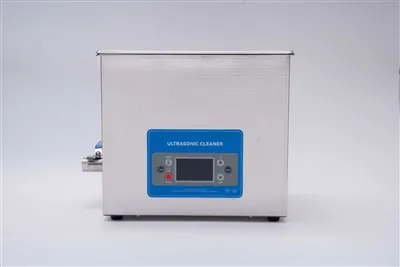
Hey there! As a supplier of Ultrasonic Cleaner for Retainers, I often get asked about the recommended water level for these nifty devices. So, let's dive right in and clear up any confusion.
First off, why is the water level so important in an ultrasonic cleaner for retainers? Well, ultrasonic cleaners work by creating tiny bubbles through a process called cavitation. These bubbles form and collapse rapidly, generating shockwaves that dislodge dirt, plaque, and other debris from the retainers. If the water level isn't right, this process won't work as effectively, and your retainers might not get as clean as they should.
General Guidelines for Water Level
The ideal water level in an ultrasonic cleaner for retainers usually depends on the size and design of the cleaner itself. Most of the time, you'll want to fill the cleaner's tank so that the water covers the retainers completely. This ensures that the ultrasonic waves can reach all parts of the retainer and do their magic.
A good rule of thumb is to fill the tank to about ¾ full. This gives enough water to create the necessary cavitation bubbles and allows room for the bubbles to move around freely. If the tank is too full, the bubbles might not have enough space to form and collapse properly. On the other hand, if it's not filled enough, some parts of the retainer might not be submerged, and they won't get cleaned.
Factors Affecting the Water Level
There are a few factors that can affect the recommended water level. Let's take a look at them:


Cleaner Size
Smaller ultrasonic cleaners for retainers typically have less space in the tank. So, you won't need to use as much water. Just make sure the retainer is fully covered. Larger cleaners, on the other hand, can hold more water, but you still don't want to overfill them.
Retainer Type
Different types of retainers might require slightly different water levels. For example, Hawley retainers, which have wires and brackets, might need a bit more water to ensure that all the nooks and crannies get cleaned. Essix retainers, which are more like clear plastic trays, might be fine with a bit less water as long as they're completely submerged.
Cleaner Features
Some ultrasonic cleaners come with special features like adjustable power settings or built - in timers. These features can also influence the water level. For instance, if your cleaner has a high - power setting, you might need to adjust the water level slightly to prevent splashing or overflow.
How to Measure the Right Water Level
Measuring the right water level is pretty easy. Here's a step - by - step guide:
- Read the Manual: First, check the user manual that came with your Retainers Ultrasonic Cleaner. It should have specific instructions on the recommended water level.
- Prepare the Cleaner: Place the cleaner on a flat, stable surface. Make sure it's plugged in and ready to go.
- Place the Retainer: Put the retainer in the cleaner's tank. This will give you an idea of how much water you'll need to cover it.
- Fill the Tank: Slowly pour water into the tank. Use a measuring cup if you want to be more precise. Keep an eye on the water level and stop when it reaches about ¾ full and completely covers the retainer.
- Check for Air Bubbles: After filling the tank, look for any air bubbles trapped under the retainer. Gently move the retainer around to release the bubbles.
The Consequences of Incorrect Water Levels
Getting the water level wrong can have some negative consequences. If the water level is too low:
- Incomplete Cleaning: Parts of the retainer that aren't submerged won't get cleaned properly. This means that dirt and plaque can build up over time, which can lead to bad breath, tooth decay, and gum problems.
- Damage to the Cleaner: Running the cleaner with too little water can cause it to overheat. This can damage the cleaner's components and shorten its lifespan.
If the water level is too high:
- Splashing and Overflow: The cleaner might splash water out of the tank, especially if it has a high - power setting. This can make a mess and potentially damage nearby objects.
- Inefficient Cleaning: Too much water can dampen the cavitation process. The bubbles might not be able to form and collapse effectively, which means the retainer won't get as clean.
Other Tips for Using an Ultrasonic Cleaner for Retainers
- Use Distilled Water: Tap water can contain minerals and impurities that can leave deposits on the retainer and the cleaner. Using distilled water helps prevent this and ensures a more thorough cleaning.
- Add Cleaning Solution: You can add a small amount of a specially formulated cleaning solution to the water. This can help break down stubborn stains and bacteria. Just make sure to follow the instructions on the cleaning solution's label.
- Clean the Cleaner Regularly: Over time, dirt and debris can build up in the cleaner's tank. Clean the tank regularly to keep it working properly. You can use a mild detergent and a soft cloth to clean the inside of the tank.
Conclusion
Getting the recommended water level for an ultrasonic cleaner for retainers is crucial for effective cleaning. By following the general guidelines and considering the factors that affect the water level, you can ensure that your retainers stay clean and fresh.
If you're in the market for a high - quality Ultrasonic Cleaner for Retainers, we've got you covered. Our products are designed to provide efficient and thorough cleaning, and we offer a range of models to suit your needs. Whether you're a dental professional or an individual looking to keep your retainers in top condition, we're here to help.
If you have any questions or are interested in purchasing our products, feel free to reach out. We'd love to have a chat about how our Ultrasonic Denture Cleaner and other products can meet your requirements. Let's start a conversation and see how we can work together!
References
- Dental Hygiene Textbooks
- Manufacturer's User Manuals for Ultrasonic Cleaners
- Research Articles on Ultrasonic Cleaning Technology