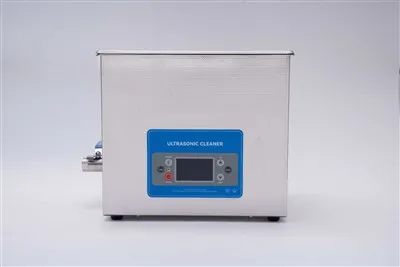
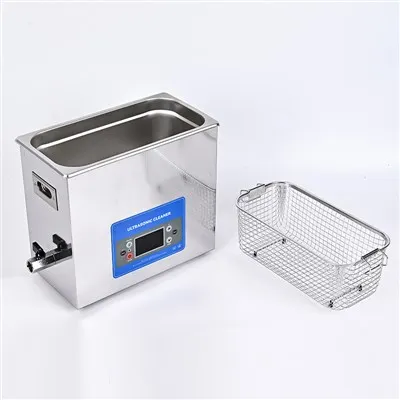
The power consumption of a DIY ultrasonic parts cleaner is a crucial factor that impacts both its operational cost and cleaning performance. As a supplier of DIY Ultrasonic Parts Cleaners, I often get questions from customers about how much power these cleaners use and what factors affect their consumption. In this blog, I'll delve into the details of power consumption in DIY ultrasonic parts cleaners, so you can make an informed decision when choosing the right cleaner for your needs.
Understanding Ultrasonic Cleaning Technology
Before we discuss power consumption, it's essential to understand how ultrasonic parts cleaners work. These cleaners use high - frequency sound waves, typically in the range of 20 kHz to 400 kHz, to create millions of tiny bubbles in a cleaning solution through a process called cavitation. When these bubbles collapse near the surface of the parts being cleaned, they generate intense microscopic shock waves that dislodge dirt, grease, and contaminants.
The power source of an ultrasonic parts cleaner is responsible for generating these sound waves and maintaining the cavitation process. The more power the cleaner has, the stronger the cavitation effect, which generally leads to more efficient and thorough cleaning.
Factors Affecting Power Consumption
Several key factors influence the power consumption of a DIY ultrasonic parts cleaner:
1. Ultrasonic Transducer Power
The ultrasonic transducer is the component that converts electrical energy into ultrasonic waves. Transducers come in different power ratings, usually measured in watts. A higher - wattage transducer will consume more power but can also produce more intense cavitation. For example, a small - scale DIY ultrasonic parts cleaner might have a transducer with a power rating of 20 - 50 watts, while a larger, more powerful cleaner could have a transducer rated at 100 watts or more.
2. Tank Size
The size of the cleaning tank plays a significant role in power consumption. Larger tanks require more power to fill with cleaning solution and to generate sufficient cavitation throughout the entire volume. A Large Ultrasonic Parts Cleaner with a large tank capacity will generally consume more power than a smaller one. This is because the ultrasonic waves need to propagate over a larger area to clean all the parts effectively.
3. Cleaning Time
The longer you run the ultrasonic parts cleaner, the more power it will consume. Some cleaning tasks may only require a few minutes, while others, especially those involving heavily soiled parts, may need 15 - 30 minutes or even longer. It's important to set the appropriate cleaning time based on the level of dirt and the type of parts being cleaned to avoid unnecessary power consumption.
4. Temperature Control
Many ultrasonic parts cleaners have a heating function to increase the effectiveness of the cleaning solution. Heating the solution requires additional power. If you use the temperature control feature frequently, it will add to the overall power consumption of the cleaner. However, in some cases, the improved cleaning performance may justify the extra energy use.
Calculating Power Consumption
To calculate the power consumption of a DIY ultrasonic parts cleaner, you need to know its power rating (in watts) and the amount of time it is used. The formula for calculating energy consumption is:
Energy (in kilowatt - hours, kWh) = Power (in watts) × Time (in hours) / 1000
For example, if you have a DIY ultrasonic parts cleaner with a power rating of 50 watts and you run it for 30 minutes (0.5 hours), the energy consumption would be:
Energy = 50 × 0.5 / 1000 = 0.025 kWh
If your electricity cost is, say, $0.15 per kWh, the cost of running the cleaner for that half - hour would be 0.025 × 0.15 = $0.00375
Comparing Power Consumption Among Different Models
When choosing a DIY ultrasonic parts cleaner, it's important to compare the power consumption of different models. You can find the power ratings of the cleaners in their product specifications. A more energy - efficient cleaner can save you money in the long run, especially if you use it frequently.
For instance, if you're looking for a cleaner to clean your bike chain, an Ultrasonic bike chain cleaner might be a good option. These cleaners are often designed to be relatively small and energy - efficient, with lower power consumption compared to larger industrial - grade cleaners.
On the other hand, if you need to clean large or multiple parts at once, a Powerful Ultrasonic Parts Cleaner with a higher power rating may be necessary. While it will consume more power, it can provide faster and more effective cleaning for larger - scale tasks.


Tips to Reduce Power Consumption
Here are some tips to help you reduce the power consumption of your DIY ultrasonic parts cleaner:
- Choose the Right Cleaner Size: Select a cleaner with a tank size that matches your typical cleaning needs. Don't opt for a larger cleaner than necessary, as it will consume more power.
- Optimize Cleaning Time: Set the cleaning time based on the actual dirt level of the parts. Avoid running the cleaner for longer than required.
- Use Heating Sparingly: Only use the heating function when it's really needed. In many cases, room - temperature cleaning solution can still achieve good results.
- Maintain the Cleaner: Keep the cleaner in good condition. A well - maintained cleaner will operate more efficiently and may consume less power.
Conclusion
The power consumption of a DIY ultrasonic parts cleaner is influenced by various factors such as transducer power, tank size, cleaning time, and temperature control. By understanding these factors and taking steps to optimize power use, you can ensure that your cleaner is both effective and energy - efficient.
As a supplier of DIY Ultrasonic Parts Cleaners, we offer a wide range of products to meet different needs and budgets. Whether you need a small, energy - efficient cleaner for occasional use or a powerful, large - capacity cleaner for heavy - duty tasks, we have the right solution for you.
If you're interested in purchasing a DIY ultrasonic parts cleaner or have any questions about power consumption, cleaning performance, or other aspects of our products, please don't hesitate to contact us for procurement and further discussion. We're here to help you make the best choice for your cleaning requirements.
References
- Ultrasonic Cleaning Handbook. Published by an industry - leading ultrasonic technology research group.
- Energy Efficiency Guidelines for Small - Scale Cleaning Equipment. A government - issued report on energy - saving in cleaning devices.