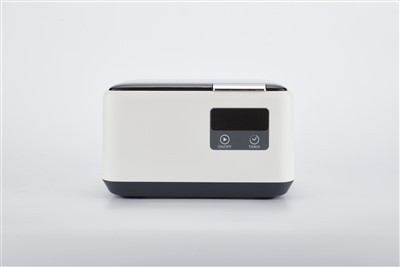
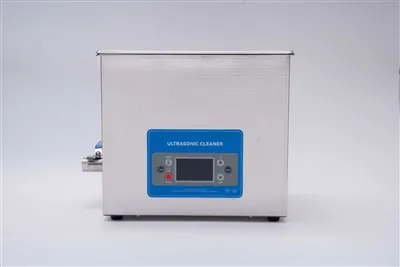
Hey there! As a supplier of 6L Ultrasonic Parts Cleaners, I often get asked about the materials used in the cleaning tank of these nifty machines. So, I thought I'd take a moment to break it down for you.
First off, let's talk about why the material of the cleaning tank matters. The cleaning tank is where all the action happens. It holds the cleaning solution and the parts you want to clean. It needs to be made of a material that can withstand the ultrasonic waves, the chemicals in the cleaning solution, and the wear and tear of regular use.
One of the most common materials used for the cleaning tank in a 6L ultrasonic parts cleaner is stainless steel. Stainless steel is a great choice for several reasons. It's durable, resistant to corrosion, and can handle high temperatures. The ultrasonic waves can bounce off the smooth surface of the stainless - steel tank effectively, creating the cavitation bubbles that do the actual cleaning. These bubbles form and collapse rapidly, generating tiny shockwaves that dislodge dirt and grime from the parts.
Stainless steel also doesn't react with most cleaning solutions. Whether you're using a mild detergent or a more specialized industrial cleaner, the tank won't get damaged. This makes it a reliable option for long - term use. And let's face it, you don't want to replace your cleaning tank every few months.
Another material that's sometimes used is plastic. Plastic tanks are generally lighter and more affordable than stainless - steel ones. They can be a good choice for light - duty applications or for those on a budget. However, plastic has its limitations. It may not be as resistant to high temperatures or harsh chemicals as stainless steel. Over time, the ultrasonic waves can cause the plastic to degrade, leading to cracks or a loss of its structural integrity.
There are different grades of stainless steel used in these tanks. For a 6L ultrasonic parts cleaner, you'll typically find 304 or 316 stainless steel. Grade 304 stainless steel is the most common. It has good corrosion resistance and is strong enough for most cleaning tasks. Grade 316 stainless steel, on the other hand, is even more resistant to corrosion, especially in environments where there are salts or other corrosive substances. If you're using your cleaner in a marine or industrial setting where there's a higher risk of corrosion, 316 stainless steel might be a better choice.


Now, let's talk about the construction of the tank. The walls of the tank need to be thick enough to withstand the ultrasonic vibrations. A tank with thin walls may start to vibrate too much, which can lead to premature wear and tear. Usually, the walls of a 6L ultrasonic parts cleaner tank are around 1 - 2 mm thick, depending on the material and the design of the cleaner.
The bottom of the tank is also crucial. It's where the ultrasonic transducers are usually attached. These transducers convert electrical energy into ultrasonic waves. The bottom needs to be flat and smooth to ensure that the ultrasonic waves are evenly distributed throughout the tank. A warped or uneven bottom can cause the cleaning to be uneven, leaving some parts cleaner than others.
If you're interested in building your own ultrasonic parts cleaner, you can check out DIY Ultrasonic Parts Cleaner. This page has some great tips and ideas for those who like to get their hands dirty and build things themselves.
For those who need a larger capacity cleaner, we also offer Large Ultrasonic Parts Cleaner. These are perfect for industrial applications or for cleaning a large number of parts at once.
And if you're into firearms, our Ultrasonic Gun Parts Cleaner is a great option. It can effectively clean all the small and intricate parts of a gun, ensuring that it functions properly.
So, if you're in the market for a 6L ultrasonic parts cleaner, understanding the material of the cleaning tank is important. It can help you make an informed decision and choose the cleaner that's right for your needs. Whether you're a hobbyist cleaning small parts in your garage or an industrial user with heavy - duty cleaning requirements, we've got you covered.
If you have any questions about our 6L Ultrasonic Parts Cleaners or want to discuss your specific cleaning needs, don't hesitate to reach out. We're here to help you find the best solution for your cleaning tasks. Let's get those parts sparkling clean!
References
- "Ultrasonic Cleaning Technology" - Industry Handbook
- "Materials for Ultrasonic Cleaning Tanks" - Research Paper on Industrial Cleaning