Hey there! As a supplier of powerful ultrasonic parts cleaners, I've had my fair share of experiences and questions about the compatibility of these nifty machines with different solvents. So, I thought I'd share some insights with you all.
First off, let's talk about what an ultrasonic parts cleaner actually does. It uses high - frequency sound waves to create tiny bubbles in a cleaning solution. These bubbles then implode, generating a powerful scrubbing action that can reach into the tiniest crevices of the parts you're cleaning. It's like having a super - efficient cleaning crew working on your parts 24/7!
Now, the big question is, what solvents can you use with these cleaners? Well, it depends on a few factors.
Water - Based Solvents
Water is the most common and basic solvent you can use in an ultrasonic parts cleaner. It's cheap, readily available, and relatively safe to handle. Water alone can do a decent job of removing loose dirt and debris from parts. But if you want to up its cleaning power, you can add some mild detergents.
Mild detergents are great for general - purpose cleaning. They can break down grease, oil, and grime. And the best part is, they're usually biodegradable and environmentally friendly. For example, a simple dish - washing liquid can work wonders in an ultrasonic cleaner. Just add a small amount to the water, and you're good to go.
However, water - based solvents may not be suitable for all types of parts. Some metals, like aluminum, can react with water over time, especially if it's left sitting in the cleaner for too long. So, if you're cleaning aluminum parts, you might want to be a bit more cautious.
Solvent - Based Cleaners
Solvent - based cleaners are a bit more powerful than water - based ones. They're great for removing stubborn grease, oil, and contaminants that water and mild detergents can't handle. There are different types of solvent - based cleaners, such as hydrocarbon solvents and chlorinated solvents.
Hydrocarbon solvents are derived from petroleum. They're effective at dissolving oils and greases. But they can be flammable, so you need to take proper safety precautions when using them. Make sure your cleaning area is well - ventilated, and keep them away from open flames or sparks.
Chlorinated solvents, on the other hand, are very powerful cleaners. They can dissolve a wide range of contaminants, including heavy - duty grease and tar. But they're also more toxic than hydrocarbon solvents. They can have harmful effects on your health if you're exposed to them for long periods. So, again, proper ventilation is a must when using chlorinated solvents.


Alcohol - Based Solvents
Alcohol - based solvents, like isopropyl alcohol, are another option. They're great for cleaning electronic parts because they evaporate quickly and leave no residue. They can also be used to clean small, delicate parts where you don't want any moisture to linger.
Isopropyl alcohol is relatively safe to use, but it's also flammable. So, just like with hydrocarbon solvents, you need to be careful around open flames.
Compatibility with Different Parts
Now, let's talk about how these solvents work with different types of parts.
Metal Parts
As I mentioned earlier, some metals can react with certain solvents. For example, steel parts are generally pretty tough and can handle most solvents. But if you're using a solvent that's too aggressive, it could cause corrosion over time.
Aluminum parts are a bit more sensitive. Water - based solvents with the right pH balance are usually a good choice. Avoid using solvents that are too acidic or alkaline, as they can damage the aluminum surface.
Plastic Parts
Plastic parts can be tricky. Some solvents can dissolve or damage certain types of plastics. For example, acetone, which is a powerful solvent, can melt many types of plastic. So, before using any solvent on plastic parts, it's a good idea to do a small test on an inconspicuous area first.
Electronic Parts
When it comes to electronic parts, you need to be extra careful. Water - based solvents with mild detergents are often a safe bet. Alcohol - based solvents, like isopropyl alcohol, are also great for cleaning electronic components because they evaporate quickly and don't leave any conductive residue.
Our Ultrasonic Parts Cleaners
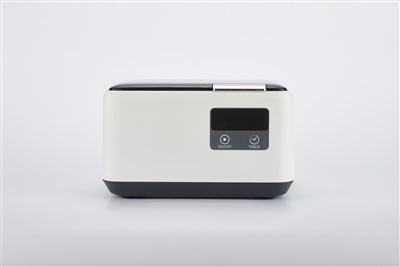
At our company, we offer a range of powerful ultrasonic parts cleaners to suit different needs. Our 6L Ultrasonic Parts Cleaner is perfect for small - scale cleaning jobs. It's compact, easy to use, and can handle a variety of solvents. Whether you're using water - based detergents or alcohol - based solvents, this cleaner will do a great job.
If you're into cycling and need to clean your bike chain, our Ultrasonic bike chain cleaner is the way to go. It's specifically designed to clean bike chains thoroughly, using the power of ultrasonic waves. You can use a mild detergent or a specialized bike - chain cleaning solution with it.
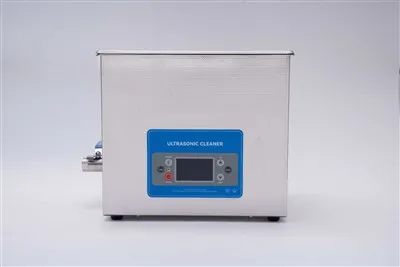
For larger - scale cleaning projects, our Large Ultrasonic Parts Cleaner is a beast. It can hold a large volume of solvent and clean multiple parts at once. Whether you're cleaning automotive parts or industrial components, this cleaner has got you covered.
Safety First
No matter what solvent you're using with your ultrasonic parts cleaner, safety should always be your top priority. Make sure you wear appropriate protective gear, like gloves and goggles. Keep the cleaning area well - ventilated, especially when using flammable or toxic solvents. And always follow the manufacturer's instructions for both the cleaner and the solvent.
Conclusion
In conclusion, the compatibility of a powerful ultrasonic parts cleaner with different solvents depends on several factors, including the type of parts you're cleaning and the level of contamination. Water - based solvents are the safest and most environmentally friendly option for general - purpose cleaning. Solvent - based cleaners are more powerful but require extra safety precautions. Alcohol - based solvents are great for electronic and delicate parts.
If you're in the market for an ultrasonic parts cleaner or have any questions about solvent compatibility, don't hesitate to reach out. We're here to help you find the best solution for your cleaning needs. Whether you're a hobbyist looking to clean your bike parts or an industrial manufacturer in need of large - scale cleaning, we've got the products and expertise to support you. So, let's start a conversation and see how we can make your cleaning process more efficient and effective.
References
- "Ultrasonic Cleaning Technology" - A comprehensive guide on the principles and applications of ultrasonic cleaning.
- Manufacturer's manuals for different types of ultrasonic parts cleaners and solvents.
- Industry research papers on the effects of different solvents on various materials.