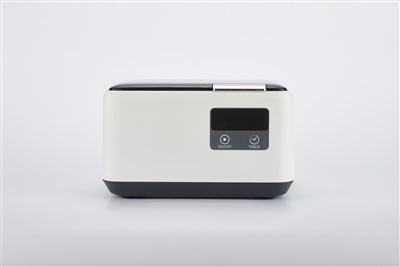
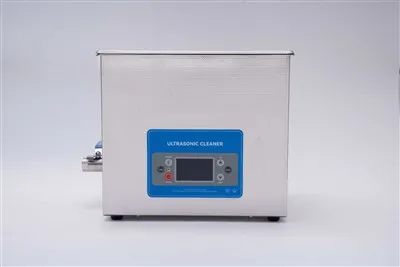
Retainers are essential orthodontic devices that help maintain the alignment of teeth after orthodontic treatment. However, they can easily accumulate plaque, bacteria, and other debris, which not only affects their appearance but also poses potential health risks. This is where retainer ultrasonic cleaners come in handy. As a supplier of retainer ultrasonic cleaners, I am often asked about the cleaning principle behind these devices. In this blog post, I will delve into the science of ultrasonic cleaning and explain how it effectively cleans retainers.
Understanding Ultrasonic Cleaning
Ultrasonic cleaning is a process that uses high-frequency sound waves, typically in the range of 20,000 to 40,000 hertz, to create microscopic bubbles in a cleaning solution. These bubbles are formed through a phenomenon called cavitation. When the ultrasonic waves pass through the cleaning solution, they create areas of high and low pressure. In the low-pressure areas, the liquid vaporizes, forming tiny bubbles. As the bubbles move into high-pressure areas, they collapse violently, releasing a significant amount of energy. This process is repeated millions of times per second, creating a scrubbing action on the surface of the object being cleaned.
How Ultrasonic Cleaning Works on Retainers
When a retainer is placed in the ultrasonic cleaner filled with a suitable cleaning solution, the ultrasonic waves penetrate the solution and reach the surface of the retainer. The cavitation bubbles form and collapse on the retainer's surface, dislodging dirt, plaque, and bacteria. This cleaning action is not only effective on the visible surface of the retainer but also in hard-to-reach areas such as crevices and around wires.
One of the key advantages of ultrasonic cleaning is its ability to clean without causing damage to the retainer. Unlike manual cleaning methods that may involve scrubbing with a brush, which can scratch the retainer's surface and potentially damage its structure, ultrasonic cleaning is a gentle yet powerful cleaning method. The microscopic bubbles created by the ultrasonic waves are small enough to clean delicate parts of the retainer without causing any harm.
The Role of Cleaning Solutions
The cleaning solution used in an ultrasonic cleaner plays a crucial role in the cleaning process. It not only helps to enhance the cavitation effect but also provides additional cleaning power. There are various types of cleaning solutions available for retainer ultrasonic cleaners, including specialized retainer cleaning solutions and mild dish soap.
Specialized retainer cleaning solutions are formulated to be gentle on the retainer while effectively removing dirt and bacteria. They often contain ingredients such as enzymes that break down organic matter and disinfectants that kill bacteria. Mild dish soap can also be used as a cost-effective alternative. However, it is important to choose a dish soap that is free from harsh chemicals and fragrances, as these can potentially damage the retainer.
Advantages of Using a Retainer Ultrasonic Cleaner
- Efficient Cleaning: Ultrasonic cleaners can clean retainers more thoroughly and quickly compared to manual cleaning methods. They can remove stubborn dirt and bacteria that may be difficult to reach with a brush.
- Gentle on Retainers: As mentioned earlier, ultrasonic cleaning is a gentle cleaning method that does not damage the retainer's surface or structure. This helps to extend the lifespan of the retainer.
- Convenience: Using an ultrasonic cleaner is a convenient way to clean retainers. Simply place the retainer in the cleaner, add the cleaning solution, and turn it on. The cleaner will do the rest, allowing you to save time and effort.
Types of Retainer Ultrasonic Cleaners
There are different types of retainer ultrasonic cleaners available on the market to suit various needs and preferences.
- Household Ultrasonic Retainer Cleaner: These cleaners are designed for home use. They are typically compact and easy to operate, making them a popular choice for individuals who want to keep their retainers clean at home.
- Ultrasonic Cleaner for Retainers: This is a general term for ultrasonic cleaners specifically designed for cleaning retainers. They come in different sizes and features, offering a range of options for users.
- Portable Ultrasonic Retainer Cleaner: Ideal for people on the go, portable ultrasonic retainer cleaners are small and lightweight. They can be easily carried in a bag or suitcase, allowing you to clean your retainer wherever you are.
Factors Affecting Ultrasonic Cleaning Performance
Several factors can affect the performance of a retainer ultrasonic cleaner. These include the frequency of the ultrasonic waves, the power of the cleaner, the type and concentration of the cleaning solution, and the duration of the cleaning cycle.
- Frequency: Higher frequencies generally result in smaller cavitation bubbles, which are more suitable for cleaning delicate objects such as retainers. However, lower frequencies may be more effective for removing stubborn dirt and debris.
- Power: The power of the ultrasonic cleaner determines the intensity of the cavitation effect. A more powerful cleaner can create stronger cavitation bubbles, leading to more efficient cleaning.
- Cleaning Solution: As mentioned earlier, the type and concentration of the cleaning solution can significantly impact the cleaning performance. Using the right cleaning solution in the correct concentration is essential for optimal results.
- Duration: The length of the cleaning cycle also affects the cleaning outcome. Longer cleaning cycles may be required for heavily soiled retainers, but it is important not to over-clean, as this can potentially damage the retainer.
Maintaining Your Retainer Ultrasonic Cleaner
To ensure the longevity and optimal performance of your retainer ultrasonic cleaner, it is important to follow proper maintenance procedures.


- Regular Cleaning: After each use, empty the cleaning solution from the cleaner and rinse it thoroughly with clean water. This helps to prevent the buildup of dirt and residue in the cleaner.
- Descaling: Over time, mineral deposits may accumulate in the cleaner, especially if you are using hard water. Descaling the cleaner periodically using a descaling solution can help to remove these deposits and maintain the cleaner's performance.
- Inspection: Regularly inspect the cleaner for any signs of damage or wear. If you notice any issues, such as a decrease in cleaning performance or strange noises, it is advisable to have the cleaner checked by a professional.
Conclusion
Retainer ultrasonic cleaners are an effective and convenient way to keep retainers clean and free from dirt, plaque, and bacteria. By understanding the cleaning principle behind these devices, you can make an informed decision when choosing a cleaner and ensure that you are using it correctly. As a supplier of retainer ultrasonic cleaners, I am committed to providing high-quality products and excellent customer service. If you are interested in purchasing a retainer ultrasonic cleaner or have any questions about our products, please feel free to contact us for more information and to discuss your specific needs. We look forward to helping you maintain the cleanliness and longevity of your retainers.
References
- "Ultrasonic Cleaning Technology" - A comprehensive guide to the principles and applications of ultrasonic cleaning.
- "Orthodontic Retainer Care" - Resources on proper care and maintenance of orthodontic retainers.