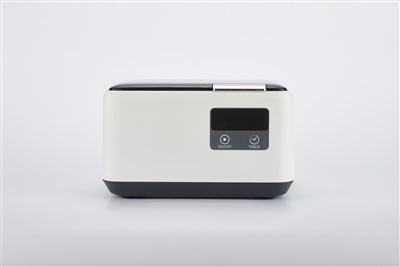
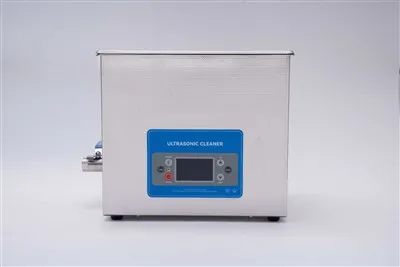
Hey there! As a supplier of powerful ultrasonic parts cleaners, I've seen my fair share of issues that customers run into. These cleaners are awesome, don't get me wrong. They use ultrasonic waves to create tiny bubbles that implode and clean parts like nothing else. But like any piece of equipment, they've got their own set of common problems. Let's dive in and take a look at what you might encounter.
1. Inadequate Cleaning Results
One of the most common complaints is that the cleaner just isn't doing a good enough job. There could be a few reasons for this. First off, the ultrasonic frequency might not be right for the type of parts you're cleaning. Different materials and levels of dirt require different frequencies. For example, delicate parts might need a lower frequency to avoid damage, while really dirty and tough - to - clean parts might need a higher one.
Another factor is the cleaning solution. Using the wrong type of solution can make a huge difference. Some solutions are designed for specific types of contaminants, like oil or grease. If you're trying to clean parts covered in oil with a solution meant for removing rust, it's not going to work well. Also, if the solution is too diluted or too concentrated, it can affect the cleaning performance.
The size and shape of the parts also matter. If the parts are too big for the cleaner's tank or have complex shapes with lots of crevices, the ultrasonic waves might not reach all areas effectively. You can check out our High - Performance Ultrasonic Bike Parts Cleaner which is designed to handle bike parts with different shapes and sizes, but you still need to make sure the parts fit properly in the tank.
2. Overheating
Overheating is another big problem. Ultrasonic cleaners generate heat during operation, especially if they're running for long periods or at high power settings. When the cleaner overheats, it can damage the components inside, like the ultrasonic transducers. These transducers are what produce the ultrasonic waves, and if they get too hot, they can stop working or have a shorter lifespan.
There are a few reasons for overheating. One is improper ventilation. If the cleaner is placed in a confined space where the heat can't escape, it'll build up quickly. Another reason could be a malfunctioning cooling system, if the cleaner has one. Some high - end cleaners come with built - in cooling mechanisms to prevent overheating, but these can sometimes break down.
To avoid overheating, make sure to follow the manufacturer's guidelines on how long you can run the cleaner continuously and at what power levels. Also, keep the cleaner in a well - ventilated area. If you're looking for a large - scale cleaning solution, our Large Ultrasonic Parts Cleaner has better ventilation and cooling features, but still needs to be used correctly.
3. Noise Pollution
Ultrasonic cleaners can be pretty noisy. The high - frequency vibrations create a lot of sound, which can be a nuisance, especially if you're using the cleaner in a small workspace or an area where noise needs to be kept to a minimum.


The noise level can depend on the power of the cleaner and the type of ultrasonic generator it uses. Higher - power cleaners usually produce more noise. Some manufacturers try to reduce the noise by using sound - insulating materials in the cleaner's design, but it might not be enough in some cases.
If noise is a concern for you, you can try using the cleaner in a separate room or during off - peak hours. You can also look for cleaners that are specifically designed to be quieter. Our Ultrasonic Parts Cleaner models have been engineered to keep the noise at a reasonable level, but it's still something to be aware of.
4. Leakage
Leakage is a problem that can cause a lot of damage. If the cleaner's tank or the pipes connected to it start leaking, it can damage the surrounding area, and also waste the cleaning solution.
Leakage can occur due to a few reasons. One is wear and tear. Over time, the seals and gaskets in the cleaner can deteriorate, causing small cracks where the solution can seep out. Another reason could be improper installation. If the cleaner isn't installed correctly, it can put stress on the tank and pipes, leading to leaks.
Regular maintenance is key to preventing leakage. Check the seals and gaskets periodically and replace them if they show signs of wear. Also, make sure the cleaner is installed according to the manufacturer's instructions.
5. Electrical Issues
Electrical problems are always a concern when dealing with any piece of electrical equipment. Ultrasonic cleaners are no exception. Issues like short circuits, power surges, or faulty wiring can not only damage the cleaner but also pose a safety hazard.
Power surges can be caused by problems in the electrical grid or by other equipment in the same circuit. A short circuit can happen if there's a problem with the internal wiring of the cleaner or if water gets into the electrical components.
To protect your cleaner from electrical issues, use a surge protector. It'll help prevent damage from power surges. Also, make sure to keep the cleaner away from water sources to avoid short circuits. If you notice any electrical problems, like the cleaner not turning on or strange electrical noises, stop using it immediately and have it checked by a professional.
6. Transducer Failure
The ultrasonic transducers are the heart of the cleaner. If they fail, the cleaner won't be able to produce the ultrasonic waves needed for cleaning. Transducer failure can be caused by a variety of factors, including overheating, improper use, or manufacturing defects.
Overheating, as mentioned earlier, can damage the transducers. If the cleaner is run at high power for too long or without proper cooling, the transducers can overheat and stop working. Improper use, like using the cleaner without enough cleaning solution in the tank, can also put stress on the transducers and cause them to fail.
Manufacturing defects are less common but can still happen. Sometimes, there might be a problem with the materials used in the transducers or with the manufacturing process itself. If you suspect a transducer failure, it's best to contact the manufacturer or a professional technician to diagnose and fix the problem.
7. Foaming Problems
Excessive foaming can be an issue in ultrasonic cleaners. Foam can reduce the effectiveness of the ultrasonic waves, as the bubbles in the foam can absorb the energy of the waves instead of allowing them to reach the parts being cleaned.
Foaming can be caused by using the wrong type of cleaning solution or by using too much of it. Some cleaning solutions are more prone to foaming than others. Also, if the solution is agitated too much during the filling process, it can create a lot of foam.
To reduce foaming, choose a cleaning solution that's designed to have low foaming properties. You can also try adding an anti - foaming agent to the solution. And when filling the tank, do it slowly to avoid excessive agitation.
Conclusion
So, there you have it - the common problems with powerful ultrasonic parts cleaners. While these issues can be frustrating, most of them can be prevented or fixed with proper maintenance, correct use, and choosing the right cleaner for your needs.
If you're in the market for an ultrasonic parts cleaner or are experiencing any of these problems with your current cleaner, don't hesitate to reach out. We're here to help you find the best solution for your cleaning requirements. Whether it's a High - Performance Ultrasonic Bike Parts Cleaner, a Large Ultrasonic Parts Cleaner, or our standard Ultrasonic Parts Cleaner, we've got you covered. Let's start a conversation about your cleaning needs and how we can assist you.
References
- "Ultrasonic Cleaning Technology: Principles and Applications" - A technical guide on ultrasonic cleaning.
- Manufacturer's manuals for various ultrasonic parts cleaners.