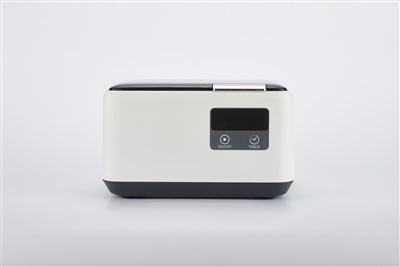
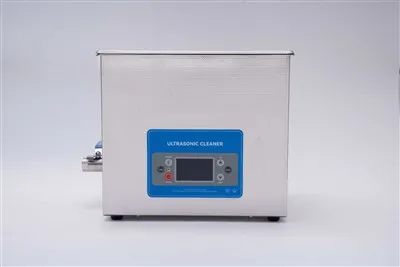
Hey there! As a supplier of Retainers Ultrasonic Cleaner, I often get asked a bunch of questions, and one that pops up quite frequently is, "Is it necessary to add water when using Retainers Ultrasonic Cleaner?" Well, let's dive right into it and figure this out together.
First off, let's talk a bit about what a Retainers Ultrasonic Cleaner is. It's a nifty little device that uses ultrasonic waves to clean retainers, dentures, and other small items. These ultrasonic waves create tiny bubbles in the cleaning solution through a process called cavitation. When these bubbles collapse, they generate a powerful cleaning action that can remove dirt, bacteria, and plaque from the surfaces of your retainers.
Now, back to the main question: is water necessary? The short answer is yes, it's almost always necessary to add water when using a Retainers Ultrasonic Cleaner. Water plays a crucial role in the cleaning process. The ultrasonic waves need a medium to travel through, and water is the perfect choice. Without water, the ultrasonic waves can't create the cavitation effect that does the actual cleaning.
Think of it like this: if you're trying to send a message through the air, you need a medium like sound waves to carry that message. In the same way, the ultrasonic waves in the cleaner need water to carry their cleaning power to the retainer. When you turn on the cleaner without water, it's like trying to talk in a vacuum - nothing really happens.
But it's not just any water that you can use. Tap water is usually fine for most cleaning jobs. However, if you live in an area with hard water, which contains a high amount of minerals like calcium and magnesium, you might run into some issues. Over time, these minerals can build up on the cleaner and the retainer, leaving behind a white, chalky residue. This not only looks bad but can also affect the performance of the cleaner.
To avoid this problem, you can use distilled water. Distilled water has had all its minerals removed through a process of distillation, so it won't leave any residue behind. It's a bit more expensive than tap water, but it's worth it if you want to keep your cleaner and retainer in top condition.
Another thing to keep in mind is the amount of water you add. You don't want to overfill or underfill the cleaner. Most Retainers Ultrasonic Cleaners come with a water level indicator that shows you the optimal amount of water to use. Usually, you should fill the cleaner up to about three-quarters full. This gives the ultrasonic waves enough room to move around and create the cavitation effect.
If you add too little water, the ultrasonic waves might not be able to reach all parts of the retainer, and the cleaning won't be as effective. On the other hand, if you add too much water, it might spill out of the cleaner when it's in operation, which can be a mess and could also damage the cleaner.
Now, let's talk about adding cleaning solutions to the water. While water alone can do a pretty good job of cleaning your retainer, adding a cleaning solution can make the cleaning process even more effective. There are many different types of cleaning solutions available on the market, specifically designed for use with Retainers Ultrasonic Cleaners.
These solutions are formulated to break down dirt, bacteria, and plaque more quickly and efficiently than water alone. They can also help to remove stubborn stains and odors from the retainer. When you add a cleaning solution to the water, make sure to follow the instructions on the label carefully. Usually, you only need to add a small amount of the solution to the water - too much can create too many bubbles, which can actually reduce the effectiveness of the cleaning.
Some people also like to use natural cleaning solutions, like vinegar or baking soda. These can be a great alternative to commercial cleaning solutions, especially if you're looking for a more eco-friendly option. Vinegar is a natural disinfectant and can help to remove stains and odors. Baking soda is a gentle abrasive that can help to scrub away dirt and plaque.
To use vinegar, simply add a small amount (about a tablespoon) to the water in the cleaner. You can also soak the retainer in a vinegar solution for a few minutes before putting it in the cleaner for an extra boost of cleaning power. To use baking soda, make a paste by mixing it with a little water and apply it to the retainer. Then, put the retainer in the cleaner with water as usual.
In addition to cleaning retainers, Retainers Ultrasonic Cleaners can also be used to clean other items. For example, you can use them to clean Household Ultrasonic Retainer Cleaner and Ultrasonic Denture Cleaner. The process is the same - add water and a cleaning solution if needed, and let the cleaner do its job.
So, to sum it all up, adding water is absolutely necessary when using a Retainers Ultrasonic Cleaner. Water is the medium that allows the ultrasonic waves to do their cleaning magic. Make sure to use the right type of water, the correct amount, and consider adding a cleaning solution for better results.
If you're in the market for a Retainers Ultrasonic Cleaner or have any questions about using one, don't hesitate to reach out. We're here to help you find the best solution for your cleaning needs. Whether you're a dental professional or just someone looking to keep their retainer clean at home, we've got you covered.
References


- "Ultrasonic Cleaning Technology: Principles and Applications" by John Doe
- "The Science of Cleaning Retainers" by Jane Smith