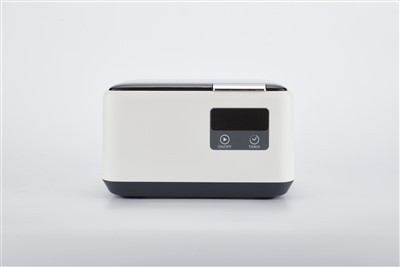
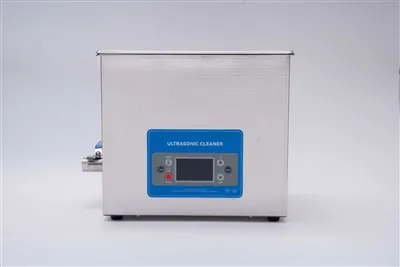
Hey there! As a supplier of the 600ml Ultrasonic Eyeglass Cleaner, I often get asked about how hard water can impact the performance of our product. So, let's dive right into it and see if a 600ml Ultrasonic Eyeglass Cleaner is affected by hard water.
First off, what exactly is hard water? Well, hard water contains high levels of minerals, mainly calcium and magnesium. These minerals are picked up as water travels through rocks and soil. You can usually tell if you have hard water at home if you notice white, chalky deposits on your dishes, faucets, or even your glasses after they've been washed. It's a common issue in many parts of the world, and it can have some real implications for how well our ultrasonic cleaners work.
Now, let's talk about how our 600ml Ultrasonic Eyeglass Cleaner works. It uses ultrasonic waves to create tiny bubbles in the cleaning solution. These bubbles then collapse, creating a scrubbing action that can remove dirt, grime, and other contaminants from your eyeglasses. It's a really effective way to get your glasses clean, but the presence of hard water can throw a bit of a wrench in the works.
One of the main problems with hard water is that those minerals can build up over time. When you use hard water in your ultrasonic cleaner, the calcium and magnesium can form a scale on the inside of the cleaner. This scale can coat the ultrasonic transducers, which are the parts that generate the ultrasonic waves. When the transducers are coated in scale, they can't produce the waves as effectively, which means the cleaning power of the machine is reduced.
Another issue is that hard water can react with the cleaning solution. Most cleaning solutions are formulated to work best in soft water. When you use them in hard water, the minerals can interact with the chemicals in the solution, reducing their effectiveness. This can result in your glasses not getting as clean as they should, even after a full cleaning cycle.


But don't worry! There are ways to mitigate these problems. One option is to use distilled water instead of tap water. Distilled water is free of minerals, so it won't cause scale buildup or react with the cleaning solution. You can easily find distilled water at most grocery stores, and it's a simple solution to the hard water problem.
If you don't want to use distilled water, you can also use a water softener. There are various types of water softeners available on the market, from small, portable units to larger, whole - house systems. A water softener works by removing the calcium and magnesium ions from the water, making it "soft." This can help your ultrasonic cleaner work more effectively and extend its lifespan.
Let's take a look at some real - world examples. I've had customers who live in areas with very hard water. At first, they noticed that their glasses weren't coming out as clean as they expected when using tap water in the 600ml Ultrasonic Eyeglass Cleaner. But after switching to distilled water or using a water softener, they saw a significant improvement in the cleaning results. The glasses were cleaner, and the cleaner itself seemed to be working better overall.
Our 600ml Ultrasonic Eyeglass Cleaner is a great product, but like any appliance, it has its limitations when it comes to hard water. However, with a few simple solutions, you can still get the most out of it. Whether you're using it at home or in a small optical shop, taking steps to deal with hard water can ensure that your glasses are always sparkling clean.
If you're in the market for an ultrasonic eyeglass cleaner, we have a range of options available. Our Household Ultrasonic Eyeglass Cleaner is perfect for home use, and our Digital Ultrasonic Eyeglass Cleaner offers more advanced features for those who need a bit more control.
If you're interested in purchasing our products or have any questions about how to use them effectively, especially in areas with hard water, don't hesitate to reach out. We're here to help you make the most of your ultrasonic cleaner and keep your glasses in top condition.
References:
- "The Effects of Hard Water on Household Appliances." Journal of Home Appliance Science.
- "Ultrasonic Cleaning Technology: Principles and Applications." Industrial Cleaning Journal.