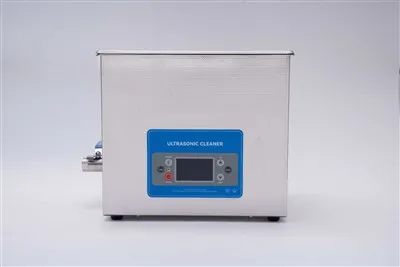
Tanks in large ultrasonic parts cleaners are crucial components that endure constant exposure to cleaning solutions, ultrasonic vibrations, and mechanical stress. Over time, these factors can lead to corrosion, which not only shortens the lifespan of the tank but also compromises the cleaning efficiency and quality of the parts. As a leading supplier of large ultrasonic parts cleaners, we understand the significance of tank corrosion prevention. In this blog, we will share some effective strategies to help you protect your tank and ensure the long - term performance of your ultrasonic cleaning system.
Understanding the Causes of Tank Corrosion
Before delving into prevention methods, it's essential to understand what causes tank corrosion in large ultrasonic parts cleaners.
Chemical Reactions
Cleaning solutions used in ultrasonic parts cleaners often contain chemicals such as acids, alkalis, or solvents. These chemicals can react with the tank material, especially if the tank is not made of a corrosion - resistant material. For example, acidic solutions can dissolve metals over time, leading to pitting and surface degradation.
Ultrasonic Cavitation
Ultrasonic waves create high - energy bubbles in the cleaning solution through a process called cavitation. When these bubbles collapse near the tank surface, they generate intense pressure and shock waves. Repeated exposure to these forces can damage the protective layer of the tank, making it more susceptible to corrosion.
Mechanical Abrasion
During the cleaning process, parts being cleaned may come into contact with the tank wall, causing mechanical abrasion. This abrasion can remove the protective coating on the tank, exposing the underlying material to the corrosive cleaning environment.
Selecting the Right Tank Material
One of the most fundamental steps in preventing tank corrosion is choosing the appropriate tank material.
Stainless Steel
Stainless steel is a popular choice for ultrasonic parts cleaner tanks due to its excellent corrosion resistance. It contains chromium, which forms a thin, passive oxide layer on the surface. This layer protects the steel from further oxidation and corrosion. However, not all stainless steels are created equal. Austenitic stainless steels, such as 304 and 316, are commonly used in ultrasonic cleaning applications. Grade 316, in particular, has a higher molybdenum content, which enhances its resistance to pitting and crevice corrosion, making it suitable for use with more aggressive cleaning solutions.


Titanium
Titanium is another highly corrosion - resistant material. It has a natural oxide layer that provides excellent protection against a wide range of chemicals, including acids and alkalis. Titanium tanks are lightweight and have high strength - to - weight ratios. However, they are more expensive than stainless steel, so their use is often limited to applications where extreme corrosion resistance is required.
Applying Protective Coatings
In addition to choosing the right material, applying protective coatings can further enhance the tank's resistance to corrosion.
Epoxy Coatings
Epoxy coatings are widely used to protect tanks from chemical attack. They form a hard, durable barrier between the tank material and the cleaning solution. Epoxy coatings can be customized to provide different levels of chemical resistance, depending on the specific cleaning agents used. They also offer good adhesion to the tank surface and can withstand the mechanical stress caused by ultrasonic cavitation.
Ceramic Coatings
Ceramic coatings provide excellent wear and corrosion resistance. They are extremely hard and can withstand high temperatures and abrasive forces. Ceramic coatings are applied using advanced techniques such as thermal spraying or chemical vapor deposition. These coatings create a smooth, non - porous surface that prevents the penetration of corrosive chemicals and reduces the risk of mechanical abrasion.
Proper Cleaning Solution Management
The type and concentration of the cleaning solution play a significant role in tank corrosion.
Choosing the Right Cleaning Solution
Select a cleaning solution that is compatible with the tank material. Consult the manufacturer's recommendations or conduct a compatibility test before using a new cleaning solution. Avoid using solutions that are too acidic or alkaline for the tank material. For example, if you have a stainless - steel tank, choose a mild, pH - neutral cleaner whenever possible.
Monitoring and Adjusting Concentration
Maintain the proper concentration of the cleaning solution. Over - concentrated solutions can increase the risk of corrosion, while under - concentrated solutions may not provide effective cleaning. Regularly test the concentration of the solution using appropriate testing kits and adjust it as needed.
Changing the Cleaning Solution Regularly
Over time, the cleaning solution can become contaminated with dirt, debris, and dissolved metals. These contaminants can accelerate corrosion. Replace the cleaning solution at regular intervals to keep the tank environment clean and reduce the risk of corrosion.
Regular Maintenance and Inspection
Regular maintenance and inspection are essential for preventing tank corrosion.
Cleaning the Tank
After each cleaning cycle, thoroughly clean the tank to remove any dirt, debris, or residual cleaning solution. Use a soft brush or cloth to avoid scratching the tank surface. Rinse the tank with clean water and dry it thoroughly to prevent the formation of rust or corrosion.
Inspecting for Damage
Regularly inspect the tank for signs of corrosion, such as pitting, discoloration, or surface roughness. Check the welds and joints for any signs of cracking or leakage. If any damage is detected, take immediate action to repair it. Small areas of corrosion can often be treated by sanding and applying a protective coating.
Monitoring Ultrasonic Transducers
The ultrasonic transducers are responsible for generating the ultrasonic waves. Malfunctioning transducers can cause uneven cavitation, which may lead to localized corrosion. Regularly check the transducers for proper operation and replace any damaged or worn - out transducers.
Training and Education
Proper training of the operators is crucial for preventing tank corrosion.
Operator Training
Provide comprehensive training to the operators on the correct use and maintenance of the large ultrasonic parts cleaner. Train them on how to select the appropriate cleaning solution, adjust the cleaning parameters, and perform regular maintenance tasks. Make sure they understand the importance of tank corrosion prevention and the potential consequences of neglecting it.
Safety Awareness
Educate the operators on safety procedures when handling cleaning solutions and operating the ultrasonic parts cleaner. This includes wearing appropriate personal protective equipment, such as gloves and goggles, and following proper ventilation procedures.
Conclusion
Preventing tank corrosion in a large ultrasonic parts cleaner requires a comprehensive approach that includes selecting the right tank material, applying protective coatings, proper cleaning solution management, regular maintenance and inspection, and operator training. By implementing these strategies, you can extend the lifespan of your tank, improve the cleaning efficiency of your ultrasonic parts cleaner, and ensure the quality of the parts being cleaned.
If you are interested in learning more about our large ultrasonic parts cleaners or need assistance in preventing tank corrosion, we encourage you to [contact us for a consultation](contact - link - placeholder). Our team of experts is ready to help you find the best solutions for your specific needs.
References
- ASM Handbook, Volume 13A: Corrosion: Fundamentals, Testing, and Protection. ASM International.
- Metals Handbook Desk Edition, 3rd Edition. ASM International.
- Ultrasonic Cleaning Technology: Principles and Applications. Academic Press.
For more information on our ultrasonic cleaning products, you can visit the following links: Best Ultrasonic Cleaner for Bike Parts, Ultrasonic bike chain cleaner, and Ultrasonic Gun Parts Cleaner for Firearm Maintenance. If you have any questions or are interested in purchasing our products, please feel free to reach out to us for a procurement discussion.