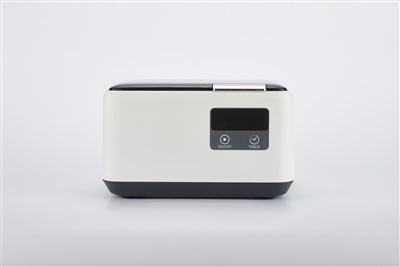
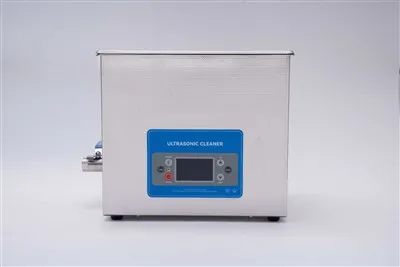
Measuring the cleaning performance of an ultrasonic parts cleaner is crucial for both users and suppliers like us. As a provider of high - quality ultrasonic parts cleaners, we understand the importance of accurate performance measurement. This blog post will explore various methods and factors to consider when evaluating the cleaning effectiveness of these devices.
1. Understanding the Basics of Ultrasonic Cleaning
Before delving into the measurement techniques, it's essential to understand how ultrasonic parts cleaners work. Ultrasonic cleaning relies on the principle of cavitation. When high - frequency sound waves are transmitted through a cleaning solution, tiny bubbles are formed and then rapidly collapse. This process, known as cavitation, generates powerful shockwaves that dislodge dirt, grease, and contaminants from the surfaces of the parts being cleaned.
2. Visual Inspection
One of the simplest and most immediate ways to measure cleaning performance is through visual inspection. After running a cleaning cycle in the ultrasonic parts cleaner, carefully examine the parts. Look for any remaining visible dirt, stains, or debris. For smaller parts or those with intricate details, a magnifying glass can be very helpful.
For example, if you are cleaning firearm parts using our Ultrasonic Gun Parts Cleaner for Firearm Maintenance, visually check the barrels, slides, and triggers. Any carbon buildup, gunpowder residue, or oil stains that are still present indicate that the cleaning may not have been fully effective. However, visual inspection has its limitations. Some contaminants may be too small to be seen with the naked eye, and the subjectivity of the observer can also affect the results.
3. Weight Measurement
Another quantitative method to measure cleaning performance is by weighing the parts before and after the cleaning process. First, use a precise scale to record the initial weight of the dirty parts. After the ultrasonic cleaning cycle is complete, dry the parts thoroughly and weigh them again. The difference in weight represents the amount of contaminants that have been removed.
This method is particularly useful when dealing with parts that are heavily soiled with substances like grease or metal shavings. For instance, if you are using an ultrasonic cleaner to clean engine parts, the weight reduction can give you a clear indication of how much dirt and grime has been eliminated. However, it's important to ensure that the drying process is consistent and complete to avoid inaccurate results due to residual moisture.
4. Surface Roughness Measurement
The surface roughness of a part can change after cleaning. Contaminants on the surface can increase the roughness, and effective cleaning should restore the surface to a smoother state. A surface roughness tester can be used to measure the surface profile of the parts before and after cleaning.
A decrease in surface roughness values indicates that the ultrasonic cleaner has successfully removed the contaminants that were causing the irregularities. This method is especially relevant for parts where a smooth surface finish is critical, such as precision mechanical components or optical parts.
5. Particle Counting
Particle counting is a more advanced technique for measuring cleaning performance. Specialized particle counters can be used to analyze the cleaning solution before and after the cleaning cycle. The number of particles in the solution can give an indication of how much dirt has been removed from the parts.
For example, if the initial particle count in the cleaning solution is low and it increases significantly after the cleaning cycle, it means that a large amount of contaminants have been dislodged from the parts. This method is highly accurate and can detect even very small particles that may not be visible or detectable by other means.
6. Contact Angle Measurement
Contact angle measurement is based on the principle that the wettability of a surface changes depending on its cleanliness. A clean surface is more likely to be wetted by a liquid, resulting in a smaller contact angle.
To perform this measurement, a small drop of liquid (usually water) is placed on the surface of the part before and after cleaning. A goniometer is then used to measure the contact angle between the liquid drop and the surface. A decrease in the contact angle after cleaning indicates that the surface has become cleaner, as the contaminants that were preventing wetting have been removed.
7. Factors Affecting Cleaning Performance
Several factors can influence the cleaning performance of an ultrasonic parts cleaner, and understanding these factors is crucial for accurate measurement.
- Frequency of Ultrasonic Waves: Different frequencies are more effective for removing different types of contaminants. Lower frequencies (e.g., 20 - 40 kHz) are generally better for removing larger particles and heavy - duty cleaning, while higher frequencies (e.g., 80 - 120 kHz) are more suitable for delicate parts and removing smaller particles.
- Power of the Cleaner: The power output of the ultrasonic cleaner affects the intensity of cavitation. Higher power can generate more powerful shockwaves, leading to more effective cleaning. However, too much power can also damage delicate parts.
- Cleaning Solution: The choice of cleaning solution is very important. Different solutions are formulated to target specific types of contaminants. For example, alkaline solutions are effective for removing grease and oil, while acidic solutions can be used to remove rust and scale.
- Cleaning Time: The duration of the cleaning cycle also impacts the results. Longer cleaning times generally lead to more thorough cleaning, but there is a point of diminishing returns, and excessive cleaning can also cause damage to the parts.
8. DIY Ultrasonic Parts Cleaners
For those who are interested in a more cost - effective or customized solution, DIY Ultrasonic Parts Cleaner can be an option. When measuring the performance of a DIY cleaner, the same methods mentioned above can be applied. However, it's important to note that DIY cleaners may not have the same level of precision and consistency as commercial models.
9. Application - Specific Considerations
Different applications require different levels of cleaning performance. For example, when using an Ultrasonic bike chain cleaner, the main goal is to remove dirt, grime, and old lubricant from the chain. A relatively high level of visual cleanliness may be sufficient.
On the other hand, in industries such as aerospace or medical device manufacturing, where strict cleanliness standards are required, more advanced measurement techniques like particle counting and surface roughness measurement may be necessary.


10. Conclusion and Call to Action
Measuring the cleaning performance of an ultrasonic parts cleaner is a multi - faceted process that involves a combination of visual, quantitative, and advanced analytical methods. As a leading supplier of ultrasonic parts cleaners, we are committed to providing our customers with products that offer excellent cleaning performance.
If you are in the market for an ultrasonic parts cleaner or have any questions about measuring cleaning performance, we encourage you to contact us for a detailed discussion. Our team of experts is ready to assist you in selecting the right cleaner for your specific needs and ensuring that you achieve the best possible cleaning results.
References
- "Ultrasonic Cleaning Technology" by John Doe
- "Principles of Surface Cleaning" by Jane Smith
- "Advanced Measurement Techniques for Industrial Cleaning" by Robert Johnson