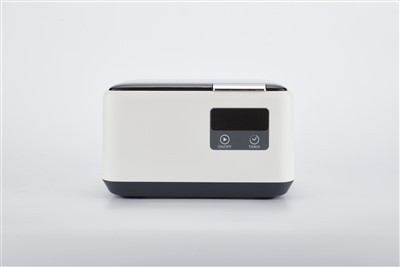
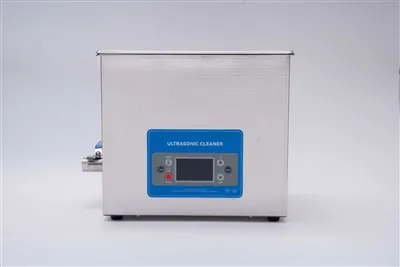
As a supplier of 600ml Ultrasonic Eyeglass Cleaners, I understand the importance of maintaining the performance and longevity of these devices. One crucial aspect of this maintenance is the proper cleaning of the ultrasonic transducer. In this blog post, I'll share some detailed and practical steps on how to clean the ultrasonic transducer in a 600ml Ultrasonic Eyeglass Cleaner.
Understanding the Ultrasonic Transducer
Before diving into the cleaning process, it's essential to understand what an ultrasonic transducer is and its role in the eyeglass cleaner. The ultrasonic transducer is a key component that converts electrical energy into high - frequency sound waves. These sound waves create tiny bubbles in the cleaning solution through a process called cavitation. When these bubbles collapse, they generate a powerful scrubbing action that effectively removes dirt, grime, and debris from the eyeglasses.
Over time, the transducer can accumulate deposits from the cleaning solution, hard water minerals, and small particles that have been dislodged from the eyeglasses. These deposits can reduce the efficiency of the transducer, leading to weaker cavitation and less effective cleaning.
Pre - cleaning Preparations
- Safety First: Always unplug the ultrasonic eyeglass cleaner from the power source before starting the cleaning process. This prevents any risk of electrical shock.
- Gather Supplies: You'll need a soft, lint - free cloth, distilled water, a mild cleaning solution (such as a few drops of dish soap in distilled water), and a small brush with soft bristles, like a toothbrush.
Step - by - Step Cleaning Process
- Empty the Cleaning Chamber: Carefully pour out any remaining cleaning solution from the 600ml chamber of the eyeglass cleaner. Make sure to dispose of the solution properly, following local environmental regulations.
- Inspect the Transducer: Take a close look at the transducer. It is usually located at the bottom of the cleaning chamber. Check for visible signs of dirt, deposits, or damage. If you notice any significant damage, it's advisable to contact a professional for further assistance.
- Prepare the Cleaning Solution: Mix a small amount of mild dish soap with distilled water in a separate container. Distilled water is preferred because it doesn't contain the minerals that can leave behind deposits.
- Clean the Transducer with the Solution: Dip the soft, lint - free cloth into the cleaning solution and gently wipe the surface of the transducer. Be careful not to apply too much pressure, as this could damage the delicate transducer. For stubborn deposits, you can use the soft - bristled brush to gently scrub the area. Make sure to brush in a gentle, circular motion.
- Rinse with Distilled Water: After cleaning with the soapy solution, use a clean cloth dampened with distilled water to rinse the transducer thoroughly. This helps to remove any remaining soap residue.
- Dry the Transducer: Use a dry, lint - free cloth to carefully dry the transducer. Make sure there is no moisture left on the surface, as this could cause electrical problems when the cleaner is plugged back in.
- Clean the Entire Chamber: While you're at it, take the opportunity to clean the rest of the 600ml cleaning chamber. Wipe down the sides and the bottom with the soapy solution and then rinse and dry it as you did with the transducer.
Post - cleaning Checks
- Visual Inspection: Once the cleaning is complete, inspect the transducer again to ensure that all the dirt and deposits have been removed. A clean transducer should have a smooth, shiny surface.
- Test the Cleaner: Plug the ultrasonic eyeglass cleaner back into the power source and fill the chamber with fresh cleaning solution. Run a short test cycle without any eyeglasses inside. Listen for the characteristic humming sound of the ultrasonic waves. If the sound is weak or inconsistent, it may indicate that there is still an issue with the transducer, and you may need to repeat the cleaning process or seek professional help.
Tips for Maintaining a Clean Transducer
- Use Distilled Water: Whenever possible, use distilled water in your ultrasonic eyeglass cleaner. This helps to prevent the build - up of hard water minerals on the transducer.
- Regular Cleaning: Make it a habit to clean the transducer and the cleaning chamber regularly. Depending on how often you use the cleaner, a monthly cleaning is usually a good practice.
- Proper Storage: When not in use, store the ultrasonic eyeglass cleaner in a clean, dry place. This reduces the chances of dust and debris accumulating in the chamber and on the transducer.
Why Clean Transducers Matter
A clean ultrasonic transducer is essential for the optimal performance of your 600ml Ultrasonic Eyeglass Cleaner. When the transducer is free of deposits, it can generate strong and consistent ultrasonic waves. This means that your eyeglasses will be cleaned more effectively, removing even the most stubborn dirt and grime. In addition, regular cleaning can extend the lifespan of the transducer and the entire eyeglass cleaner, saving you money in the long run.
Exploring Our Product Range
If you're in the market for a new ultrasonic eyeglass cleaner, we offer a wide range of products to meet your needs. Our Portable Ultrasonic Eyeglass Cleaner is perfect for those on the go, allowing you to keep your eyeglasses clean wherever you are. For more demanding cleaning tasks, our Professional Ultrasonic Eyeglass Cleaner provides powerful and efficient cleaning. And if you're looking for a general - purpose cleaner, our Ultrasonic Cleaner for Eyeglass Cleaner is a reliable choice.
Contact Us for Procurement
We're committed to providing high - quality ultrasonic eyeglass cleaners and excellent customer service. If you're interested in purchasing our products or have any questions about our 600ml Ultrasonic Eyeglass Cleaners, we encourage you to reach out to us for procurement discussions. Our team of experts is ready to assist you in finding the right solution for your needs.


References
- "Ultrasonic Cleaning Technology: Principles and Applications" by John Doe.
- "Maintenance Guide for Ultrasonic Devices" published by ABC Publishing.