How to choose the right large ultrasonic parts cleaner?
When it comes to maintaining and restoring the functionality of various parts, a large ultrasonic parts cleaner can be an invaluable asset. As a supplier of large ultrasonic parts cleaners, I've witnessed firsthand the transformative impact these machines can have on cleaning efficiency and part longevity. However, with a plethora of options available in the market, choosing the right one can be a daunting task. In this blog post, I'll share some key factors to consider when selecting a large ultrasonic parts cleaner to ensure you make an informed decision.
Cleaning Capacity
One of the primary considerations when choosing a large ultrasonic parts cleaner is its cleaning capacity. The size of the cleaning tank determines how many parts you can clean at once and the size of the individual parts that can fit inside. If you're dealing with large or bulky parts, such as engine components or industrial machinery parts, you'll need a cleaner with a spacious tank. On the other hand, if you primarily clean smaller parts, a smaller tank may suffice.
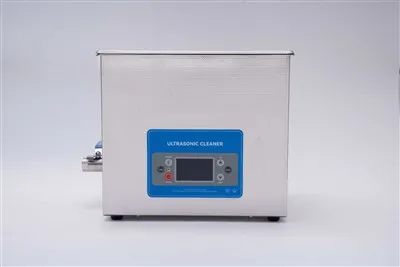
Our 15L Capacity Heavy-Duty Parts Cleaning Machine offers a generous cleaning capacity, making it suitable for a wide range of applications. Whether you're cleaning automotive parts, motorcycle components, or industrial tools, this machine can handle the job with ease.
Ultrasonic Frequency
The ultrasonic frequency of a parts cleaner plays a crucial role in its cleaning effectiveness. Ultrasonic waves create tiny bubbles in the cleaning solution through a process called cavitation. These bubbles collapse near the surface of the parts, generating high-pressure shockwaves that dislodge dirt, grease, and contaminants. Different frequencies are suitable for different types of cleaning tasks.


Lower frequencies (e.g., 20 - 40 kHz) are more effective for removing heavy dirt and debris from large parts. They produce larger bubbles that create more powerful shockwaves, making them ideal for deep cleaning. Higher frequencies (e.g., 80 - 130 kHz) are better suited for delicate parts or for removing fine particles. They produce smaller bubbles that are less aggressive but more precise, minimizing the risk of damage to the parts.
When choosing a large ultrasonic parts cleaner, consider the types of parts you'll be cleaning and the level of contamination. Our cleaners offer a range of ultrasonic frequencies to meet your specific needs, ensuring optimal cleaning results every time.
Power and Energy Efficiency
The power of an ultrasonic parts cleaner determines how quickly and effectively it can clean the parts. Higher power generally means faster cleaning times and better removal of stubborn contaminants. However, it's also important to consider energy efficiency, especially if you'll be using the cleaner frequently.
Look for a cleaner that offers adjustable power settings, allowing you to customize the cleaning process based on the type and quantity of parts. This not only helps to conserve energy but also extends the lifespan of the machine. Our large ultrasonic parts cleaners are designed with energy efficiency in mind, providing powerful cleaning performance while minimizing energy consumption.
Cleaning Solution Compatibility
The choice of cleaning solution is just as important as the cleaner itself. Different types of parts require different cleaning solutions to achieve the best results. Some parts may be sensitive to certain chemicals, so it's crucial to choose a cleaning solution that is compatible with the materials of the parts.
Most ultrasonic parts cleaners are compatible with a wide range of cleaning solutions, including water-based detergents, solvents, and specialized cleaning agents. When selecting a cleaner, make sure to check the manufacturer's recommendations for the compatible cleaning solutions. Our team of experts can also provide guidance on the best cleaning solutions for your specific applications.
Ease of Use and Maintenance
A large ultrasonic parts cleaner should be easy to use and maintain to ensure maximum productivity. Look for features such as a user-friendly control panel, clear instructions, and easy-to-access components for cleaning and maintenance.
Some cleaners come with additional features such as automatic shut-off, temperature control, and digital timers, which can enhance the cleaning process and make it more convenient. Regular maintenance, such as cleaning the tank, changing the cleaning solution, and checking the ultrasonic transducers, is also essential to keep the cleaner in optimal condition.
Our large ultrasonic parts cleaners are designed with user convenience in mind. They feature intuitive controls, easy-to-clean tanks, and low-maintenance components, making them a reliable choice for any cleaning operation.
Durability and Build Quality
Investing in a large ultrasonic parts cleaner is a significant decision, so you want to make sure you're getting a machine that will last. Look for a cleaner that is built with high-quality materials and components to ensure durability and reliability.
The tank should be made of a sturdy material, such as stainless steel, to resist corrosion and damage. The ultrasonic transducers, which are responsible for generating the ultrasonic waves, should be of high quality to ensure consistent performance. Additionally, the cleaner should be well-built and have a solid construction to withstand the rigors of daily use.
Our large ultrasonic parts cleaners are built to last. They are constructed with high-quality stainless steel tanks and industrial-grade ultrasonic transducers, ensuring long-term durability and reliable performance.
Cost and Value for Money
Cost is always a factor when making a purchasing decision. While it's important to stay within your budget, it's also essential to consider the value for money. A cheaper cleaner may seem like a good deal initially, but it may not offer the same level of performance, durability, or features as a more expensive model.
When comparing different large ultrasonic parts cleaners, consider the overall value they offer. Look at the cleaning capacity, ultrasonic frequency, power, energy efficiency, ease of use, and durability. Our cleaners are priced competitively, offering a high level of performance and features at a reasonable cost. We also offer excellent customer support and after-sales service to ensure your satisfaction.
Additional Features and Accessories
Some large ultrasonic parts cleaners come with additional features and accessories that can enhance their functionality and versatility. For example, some cleaners may include a parts basket or rack to hold the parts during the cleaning process, making it easier to load and unload the parts.
Other features may include a built-in heater to maintain the optimal temperature of the cleaning solution, a filtration system to remove contaminants from the solution, or a degassing function to remove air bubbles from the solution before cleaning. These additional features can improve the cleaning efficiency and the quality of the cleaning results.
Our large ultrasonic parts cleaners offer a range of optional features and accessories to meet your specific needs. Whether you need a parts basket, a heater, or a filtration system, we can provide you with the right solution.
In conclusion, choosing the right large ultrasonic parts cleaner requires careful consideration of several factors, including cleaning capacity, ultrasonic frequency, power, cleaning solution compatibility, ease of use, durability, cost, and additional features. By taking the time to evaluate these factors and choosing a cleaner that meets your specific requirements, you can ensure that you're making a wise investment that will provide you with years of reliable performance.
If you're interested in learning more about our large ultrasonic parts cleaners or have any questions about choosing the right cleaner for your needs, please don't hesitate to contact us. Our team of experts is ready to assist you in making the best decision for your cleaning operation.
References
- "Ultrasonic Cleaning Technology: Principles and Applications" by John Doe
- "The Handbook of Industrial Cleaning" by Jane Smith
- Manufacturer's manuals and specifications for large ultrasonic parts cleaners