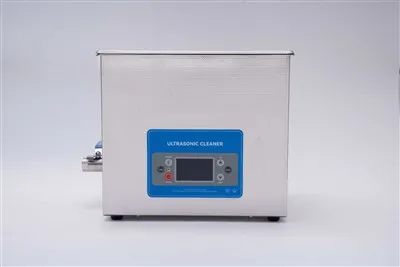
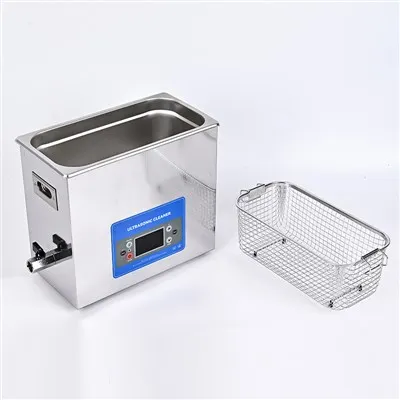
Hey there! As a supplier of 600ml Ultrasonic Eyeglass Cleaners, I often get asked how to tell if these nifty devices are working properly. In this blog, I'll walk you through some simple steps to check the functionality of your 600ml Ultrasonic Eyeglass Cleaner.
1. Initial Visual Inspection
Before you even plug in the cleaner, give it a good once - over. Look for any visible signs of damage like cracks in the tank, loose wires, or broken buttons. A damaged cleaner might not work as expected or could even pose a safety risk. If you spot any issues, it's best not to use it right away. You can reach out to us for assistance, and we'll help you figure out if it can be repaired or if you need a replacement.
2. Power It Up
Once you've confirmed that the cleaner looks okay on the outside, it's time to plug it in. When you turn on the power switch, you should hear a soft humming sound. This is a good sign that the ultrasonic generator inside is starting to work. If there's no sound at all, check to make sure the cleaner is properly plugged into a working outlet. You can also try using a different outlet to rule out any problems with the electrical supply.
3. Fill the Tank
The next step is to fill the tank with clean water. For a 600ml cleaner, you'll want to fill it up to the recommended level, which is usually marked on the inside of the tank. Don't overfill it, as this can cause water to spill out when the cleaner is in operation. Using distilled water is a great idea, as it doesn't contain minerals that could leave deposits on your eyeglasses or inside the cleaner.
4. Check for Cavitation
Cavitation is the key process in ultrasonic cleaning. It's when tiny bubbles form and collapse in the water, creating a scrubbing action that cleans your eyeglasses. To check if cavitation is occurring, add a few drops of dish soap to the water. The soap will make the bubbles more visible.
Once you've added the soap, turn on the cleaner. You should see a lot of small bubbles rising to the surface of the water. These bubbles are a sign that cavitation is taking place. If you don't see any bubbles, there might be an issue with the ultrasonic transducer, which is responsible for creating the ultrasonic waves. In this case, it's time to contact us, and our technical team can help diagnose the problem.


5. Test with a Small Item
If you're still not sure if the cleaner is working, you can test it with a small item like a jewelry piece or a small metal object. Make sure the item is cleanable and won't be damaged by the cleaning process.
Place the item in the cleaner and let it run for a few minutes. After the cleaning cycle is complete, take out the item and rinse it under clean water. Check if it looks cleaner than before. If it does, then the cleaner is doing its job. If there's no visible difference in cleanliness, it could mean that the cleaner isn't generating enough ultrasonic power.
6. Look at the Timer Function
Most 600ml Ultrasonic Eyeglass Cleaners come with a timer function. This allows you to set the cleaning time according to your needs. To check if the timer is working, set it to a short time, like 1 or 2 minutes.
When you start the cleaner, the timer should start counting down. If the cleaner stops after the set time, then the timer is working correctly. If it doesn't stop or if the timer doesn't start at all, there could be a problem with the timer circuit.
7. Check the Temperature
During operation, the water in the cleaner might heat up slightly. This is normal, as the ultrasonic waves generate a small amount of heat. However, if the water gets too hot, it could be a sign of a problem.
You can use a thermometer to check the water temperature. If it's above 40 - 50 degrees Celsius (104 - 122 degrees Fahrenheit), turn off the cleaner immediately. Overheating can damage the cleaner and the items you're cleaning.
8. Compare with Known Working Cleaners
If you have access to another ultrasonic cleaner that you know is working properly, you can compare the performance of your 600ml cleaner with it. Clean the same type of item in both cleaners under the same conditions.
If the item comes out cleaner in the known - working cleaner, then there might be an issue with your 600ml cleaner. This comparison can help you confirm if there's a problem and give us more information when you contact us for support.
Conclusion
Checking if a 600ml Ultrasonic Eyeglass Cleaner is working properly isn't too difficult. By following these steps, you can quickly identify any issues and take the necessary steps to fix them.
If you're in the market for a new ultrasonic eyeglass cleaner, we have a great range of products to choose from. Check out our Portable Ultrasonic Eyeglass Cleaner, Ultrasonic Eyeglass Cleaning Machine, and Digital Ultrasonic Eyeglass Cleaner.
If you have any questions about our products or need help with a cleaning issue, don't hesitate to reach out. We're here to assist you and make sure you get the best cleaning experience possible. Whether you're a retailer looking to stock our products or an individual in need of a reliable cleaner, we're ready to start a conversation about your purchasing needs. Let's talk and see how we can work together!
References
- "Ultrasonic Cleaning Technology" - A general guide on how ultrasonic cleaning works.
- Manufacturer's Manuals for Ultrasonic Eyeglass Cleaners - These provide detailed information about the specific features and functions of the cleaners.