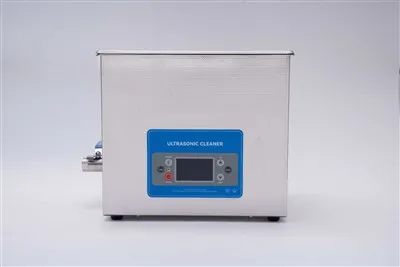
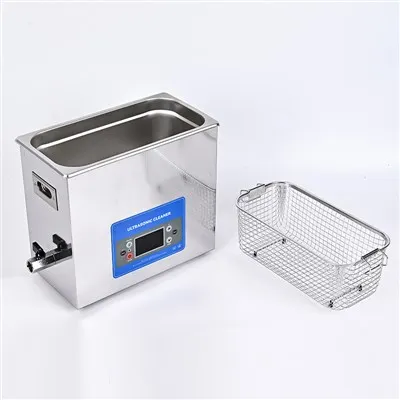
How does the power of a powerful ultrasonic parts cleaner impact cleaning efficiency?
As a supplier of Powerful Ultrasonic Parts Cleaners, I've witnessed firsthand the transformative impact these machines can have on various cleaning tasks. Ultrasonic cleaning technology has revolutionized the way we approach parts cleaning, offering a more efficient, thorough, and environmentally friendly alternative to traditional cleaning methods. In this blog post, I'll delve into the relationship between the power of an ultrasonic parts cleaner and its cleaning efficiency, exploring how different power levels can affect the cleaning process and outcomes.
Understanding Ultrasonic Cleaning Technology
Before we dive into the impact of power on cleaning efficiency, let's first understand how ultrasonic cleaning works. Ultrasonic cleaners use high-frequency sound waves to create tiny bubbles in a cleaning solution through a process called cavitation. These bubbles form and collapse rapidly, generating intense shockwaves that dislodge dirt, grease, and contaminants from the surface of the parts being cleaned. The microscopic size of these bubbles allows them to reach into the smallest crevices and pores of the parts, ensuring a thorough and deep clean.
The Role of Power in Ultrasonic Cleaning
The power of an ultrasonic parts cleaner is typically measured in watts and refers to the amount of energy the cleaner can deliver to the cleaning solution. Higher power levels generally result in more intense cavitation, which can lead to faster and more effective cleaning. However, the relationship between power and cleaning efficiency is not always straightforward and can be influenced by several factors.
Impact of Power on Cleaning Speed
One of the most significant ways power affects cleaning efficiency is through cleaning speed. A more powerful ultrasonic parts cleaner can generate a greater number of cavitation bubbles, which means more dirt and contaminants can be removed in a shorter period. For example, in a high-volume manufacturing environment where parts need to be cleaned quickly and efficiently, a powerful cleaner can significantly reduce cleaning times, increasing productivity and throughput.
Let's say you're cleaning small metal components with a low-power ultrasonic cleaner. It might take 15-20 minutes to achieve a satisfactory level of cleanliness. However, if you switch to a more powerful cleaner, you could potentially reduce the cleaning time to 5-10 minutes, depending on the specific parts and contaminants. This reduction in cleaning time can have a substantial impact on overall production efficiency, especially in industries where time is of the essence.
Impact of Power on Cleaning Thoroughness
In addition to cleaning speed, power also plays a crucial role in the thoroughness of the cleaning process. Higher power levels can create more intense cavitation, which can reach deeper into the pores and crevices of the parts, removing stubborn dirt and contaminants that might be missed by a lower-power cleaner. This is particularly important when cleaning parts with complex geometries or hard-to-reach areas.
For instance, when cleaning engine parts or medical instruments, a powerful ultrasonic cleaner can ensure that all internal passages and cavities are thoroughly cleaned, reducing the risk of contamination and improving the performance and longevity of the parts. In these applications, a thorough clean is not just a matter of aesthetics but can also have significant safety and functionality implications.
Considerations When Choosing the Right Power
While higher power generally leads to better cleaning efficiency, it's important to choose the right power level for your specific cleaning needs. Here are some factors to consider:
- Size of the Parts: Larger parts typically require more power to ensure that the cavitation bubbles can reach all areas of the part. If you're cleaning small parts, a lower-power cleaner might be sufficient, while larger parts may need a more powerful unit.
- Type of Contaminants: Different contaminants require different levels of cleaning power. For example, light dirt and dust can be removed with a lower-power cleaner, while heavy grease and oil may require a more powerful unit to break down and remove effectively.
- Material of the Parts: Some materials are more sensitive to high-power cavitation and may be damaged if exposed to too much energy. For delicate parts made of materials like plastics or ceramics, it's important to choose a cleaner with an appropriate power level to avoid damage.
Real-World Examples
To illustrate the impact of power on cleaning efficiency, let's look at a few real-world examples:
- Automotive Industry: In the automotive industry, ultrasonic parts cleaners are used to clean engine components, carburetors, and other parts. A 6Liter Ultrasonic Auto Parts Cleaner with a high power rating can quickly and effectively remove dirt, grease, and carbon deposits from these parts, restoring them to like-new condition. This not only improves the performance of the parts but also extends their lifespan.
- Bicycle Maintenance: Cleaning bike parts is another area where ultrasonic cleaners can be highly effective. Cleaning Bike Parts With Ultrasonic Cleaner can remove dirt, grime, and old lubricants from gears, chains, and other components, improving the bike's performance and reducing wear and tear. A more powerful cleaner can make the cleaning process faster and more thorough, allowing cyclists to get back on the road sooner.
- Jewelry and Watchmaking: In the jewelry and watchmaking industry, ultrasonic cleaners are used to clean delicate and intricate pieces. A powerful cleaner can gently remove dirt and contaminants from the smallest crevices of the jewelry or watch, without causing any damage. This ensures that the pieces maintain their beauty and functionality.
Conclusion
In conclusion, the power of a powerful ultrasonic parts cleaner plays a crucial role in cleaning efficiency. Higher power levels generally lead to faster and more thorough cleaning, but it's important to choose the right power level based on the specific cleaning needs, including the size of the parts, type of contaminants, and material of the parts.


If you're in the market for an Ultrasonic Parts Cleaner, I encourage you to consider your cleaning requirements carefully and choose a cleaner with the appropriate power for your application. Our range of powerful ultrasonic parts cleaners is designed to meet the diverse needs of various industries, offering high performance, reliability, and efficiency.
If you have any questions or would like to discuss your specific cleaning needs, please don't hesitate to contact us. We're here to help you find the perfect ultrasonic parts cleaner for your business and ensure that you achieve the best possible cleaning results.
References
- "Ultrasonic Cleaning: Principles and Applications" by John R. Dickinson
- "Industrial Ultrasonic Cleaning" by the American Society for Nondestructive Testing
- "The Science of Ultrasonic Cleaning" by Richard A. Neilsen