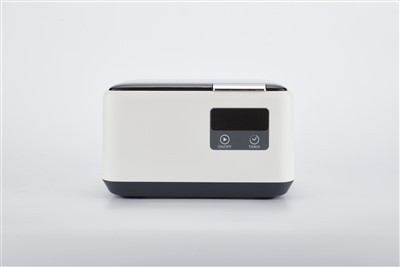
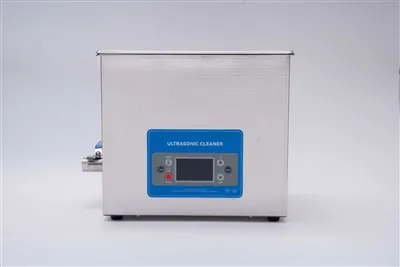
As a supplier of Ultrasonic Cleaner for Jewellery, I've witnessed firsthand the transformative power of these remarkable devices in restoring the sparkle and shine of precious jewelry. In this blog post, I'll delve into the science behind ultrasonic cleaning and explain how it effectively removes dirt from jewelry.
Understanding Ultrasonic Cleaning Technology
Ultrasonic cleaning is a non - invasive and highly efficient method that uses high - frequency sound waves to clean various objects, including jewelry. The process takes place inside an ultrasonic cleaner, a device that consists of a tank filled with a cleaning solution and a transducer. The transducer is responsible for converting electrical energy into ultrasonic waves.
These ultrasonic waves create millions of tiny bubbles in the cleaning solution through a phenomenon known as cavitation. Cavitation occurs when the pressure in the liquid drops below the vapor pressure, causing the formation of small vapor - filled bubbles. As the ultrasonic waves continue to propagate, these bubbles grow in size and then collapse suddenly. This collapse generates a powerful shockwave that can dislodge dirt, grime, and other contaminants from the surface of the jewelry.
The Cleaning Process Step by Step
- Pre - preparation: Before placing the jewelry in the ultrasonic cleaner, it's important to give it a quick visual inspection. Remove any large particles or debris that could potentially scratch the jewelry during the cleaning process. You can use a soft brush to gently dislodge these particles. Also, make sure to select an appropriate cleaning solution. For most types of jewelry, a mild detergent mixed with water works well. However, for more delicate pieces or those with specific cleaning requirements, you may need to use a specialized cleaning solution.
- Loading the Jewelry: Carefully place the jewelry into the tank of the ultrasonic cleaner. Make sure the pieces are fully submerged in the cleaning solution and are not touching each other. This ensures that all surfaces of the jewelry are exposed to the ultrasonic waves and the cleaning solution.
- Setting the Parameters: Different types of jewelry may require different cleaning times and intensities. Most modern ultrasonic cleaners, such as our Digital Ultrasonic Jewellery Cleaner, come with adjustable settings. For example, softer gemstones may need a shorter cleaning time and lower intensity to prevent damage, while more robust metals like gold and silver can withstand longer and more intense cleaning cycles.
- The Cleaning Cycle: Once the parameters are set, start the ultrasonic cleaner. The transducer will begin to generate ultrasonic waves, and the cavitation process will start. You may notice some bubbling and movement in the cleaning solution, which is a sign that the cleaning is working. The shockwaves from the collapsing bubbles will start to break down and remove dirt, oils, and other contaminants from the jewelry.
- Rinsing and Drying: After the cleaning cycle is complete, carefully remove the jewelry from the ultrasonic cleaner. Rinse it thoroughly under running water to remove any remaining cleaning solution and loosened dirt. Then, use a soft, lint - free cloth to dry the jewelry gently. This will help prevent water spots and ensure that the jewelry looks its best.
Advantages of Ultrasonic Cleaning for Jewelry
- Deep Cleaning: Ultrasonic cleaning can reach areas that are difficult to access with traditional cleaning methods. For example, the intricate settings of gemstones, the crevices in filigree work, and the small spaces between links in a chain can all be effectively cleaned using an ultrasonic cleaner.
- Gentle on Jewelry: Despite its powerful cleaning action, ultrasonic cleaning is relatively gentle on most types of jewelry. As long as the appropriate settings are used, it won't cause scratches or damage to the surface of the jewelry. This makes it suitable for cleaning a wide range of jewelry, from delicate diamond necklaces to sturdy gold bracelets.
- Time - Saving: Ultrasonic cleaning is a fast and efficient process. A typical cleaning cycle can take anywhere from a few minutes to 15 minutes, depending on the type and condition of the jewelry. This is much quicker than manual cleaning, which can be time - consuming and may not always achieve the same level of cleanliness.
Different Types of Jewelry and Ultrasonic Cleaning
- Gold Jewelry: Gold is a relatively soft metal, but it can withstand ultrasonic cleaning well. Our Gold Jewellery Ultrasonic Cleaner is specifically designed to clean gold jewelry effectively. It can remove dirt, oils, and tarnish from gold pieces, restoring their luster. However, it's important to be cautious with gold - filled or gold - plated jewelry, as the ultrasonic waves may cause the plating to wear off if the cleaning time and intensity are not properly adjusted.
- Silver Jewelry: Silver is prone to tarnishing, which is a chemical reaction between the silver and sulfur in the air. Ultrasonic cleaning can effectively remove tarnish from silver jewelry. The shockwaves from the cavitation process break down the tarnish layer, revealing the bright silver underneath. Regular ultrasonic cleaning can help keep silver jewelry looking new for longer.
- Gemstone Jewelry: Different gemstones have different properties, and some are more sensitive to ultrasonic cleaning than others. Hard gemstones like diamonds, sapphires, and rubies can generally be cleaned using an ultrasonic cleaner without much risk. However, softer gemstones such as opals, pearls, and emeralds are more delicate and may require special care. It's best to consult a jeweler or refer to the manufacturer's guidelines before cleaning gemstone jewelry in an ultrasonic cleaner.
- Costume Jewelry: Costume jewelry, which is often made of base metals and synthetic materials, can also benefit from ultrasonic cleaning. It can remove dirt, makeup, and other residues that accumulate on the surface of the jewelry, making it look fresh and new. Our Portable Mini Ultrasonic Jewelry Cleaner is a great option for cleaning smaller pieces of costume jewelry due to its compact size and portability.
Maintenance of Ultrasonic Cleaners
To ensure the longevity and effectiveness of your ultrasonic cleaner, it's important to perform regular maintenance.


- Cleaning the Tank: After each use, empty the tank of the ultrasonic cleaner and rinse it thoroughly to remove any remaining cleaning solution and debris. You can use a mild detergent and a soft cloth to clean the inside of the tank. Make sure to dry the tank completely before storing the cleaner.
- Checking the Transducer: The transducer is a crucial component of the ultrasonic cleaner. Periodically check it for any signs of damage or wear. If you notice any issues, such as a crack or a malfunction, it's important to have the transducer repaired or replaced by a professional.
- Using the Right Cleaning Solution: Using the wrong cleaning solution can damage the ultrasonic cleaner and the jewelry. Always follow the manufacturer's recommendations for the type of cleaning solution to use. Avoid using abrasive or corrosive chemicals, as they can damage the tank and the transducer.
Conclusion
Ultrasonic cleaning is a revolutionary technology that offers a fast, effective, and gentle way to clean jewelry. Whether you're a jeweler looking to keep your inventory in top condition or an individual who wants to maintain the beauty of your personal jewelry collection, an ultrasonic cleaner is a valuable investment.
As a supplier of Ultrasonic Cleaner for Jewellery, we offer a wide range of high - quality ultrasonic cleaners to meet your needs. Our products are designed with the latest technology and are built to last. If you're interested in purchasing an ultrasonic cleaner for your jewelry, we'd love to have a discussion with you. Contact us to learn more about our products, pricing, and how we can help you keep your jewelry looking its best.
References
- "Ultrasonic Cleaning: Principles and Applications" by Michael P. Groh
- "Jewelry Care and Cleaning Guide" by the Gemological Institute of America (GIA)