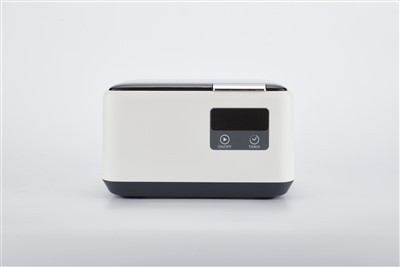
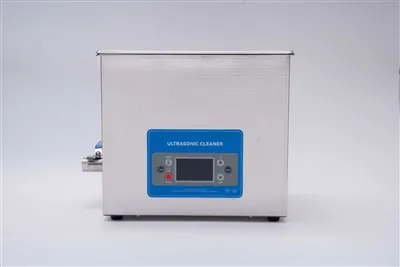
How does a Mini Ultrasonic Retainer Cleaner interact with different water qualities?
As a supplier of Mini Ultrasonic Retainer Cleaners, I've witnessed firsthand the diverse ways in which these innovative devices interact with various water qualities. Understanding this relationship is crucial for users to achieve optimal cleaning results and prolong the lifespan of their retainers. In this blog post, I'll delve into the science behind ultrasonic cleaning, explore how different water qualities can affect the process, and provide practical tips for getting the most out of your Mini Ultrasonic Retainer Cleaner.
The Science of Ultrasonic Cleaning
Before we dive into the impact of water quality, let's first understand how ultrasonic cleaners work. At the heart of these devices is a transducer that converts electrical energy into high-frequency sound waves. These sound waves create tiny bubbles in the water through a process called cavitation. As these bubbles collapse, they generate intense shockwaves that dislodge dirt, debris, and bacteria from the surface of the retainer.
The effectiveness of ultrasonic cleaning depends on several factors, including the frequency of the sound waves, the power of the transducer, and the properties of the cleaning solution. Water plays a crucial role in this process, serving as the medium through which the sound waves travel and the bubbles form.
The Impact of Different Water Qualities
Not all water is created equal. The quality of water can vary significantly depending on its source, treatment, and mineral content. Here's how different types of water can affect the performance of a Mini Ultrasonic Retainer Cleaner:
Tap Water
Tap water is the most commonly used water source for ultrasonic cleaning. It's readily available and convenient, but its quality can vary depending on your location. Tap water often contains minerals such as calcium, magnesium, and iron, which can leave behind deposits on the retainer and the cleaner itself. These deposits can reduce the effectiveness of the cleaning process and may even damage the device over time.
To minimize the impact of tap water on your Mini Ultrasonic Retainer Cleaner, it's recommended to use a water softener or a descaling agent. These products can help remove the minerals from the water and prevent them from building up on the retainer and the cleaner.
Distilled Water
Distilled water is water that has been purified through a process of distillation, which removes all impurities and minerals. This makes it an ideal choice for ultrasonic cleaning, as it doesn't leave behind any deposits or residue. Distilled water also has a lower surface tension than tap water, which allows the sound waves to travel more easily through the water and create more bubbles.


Using distilled water in your Mini Ultrasonic Retainer Cleaner can help improve the cleaning performance and prolong the lifespan of the device. However, it's important to note that distilled water can be more expensive than tap water and may not be readily available in all areas.
Filtered Water
Filtered water is water that has been treated to remove impurities and contaminants. There are several types of water filters available, including activated carbon filters, reverse osmosis filters, and ultraviolet filters. These filters can remove a wide range of impurities, including chlorine, lead, and bacteria, which can improve the quality of the water and make it safer to use.
Using filtered water in your Mini Ultrasonic Retainer Cleaner can help reduce the risk of contamination and improve the cleaning performance. However, it's important to choose a filter that is designed to remove the specific impurities that are present in your water.
Practical Tips for Using a Mini Ultrasonic Retainer Cleaner
Regardless of the type of water you use, there are several practical tips that can help you get the most out of your Mini Ultrasonic Retainer Cleaner:
- Follow the manufacturer's instructions: Every Mini Ultrasonic Retainer Cleaner is different, so it's important to follow the manufacturer's instructions carefully. This includes using the recommended amount of water and cleaning solution, as well as setting the appropriate cleaning time and temperature.
- Clean the cleaner regularly: To prevent the buildup of deposits and residue, it's important to clean the Mini Ultrasonic Retainer Cleaner regularly. This can be done by filling the cleaner with water and a small amount of cleaning solution, and running it for a few minutes.
- Use a cleaning solution: While water alone can be effective for removing dirt and debris from the retainer, using a cleaning solution can help improve the cleaning performance and kill bacteria. There are several types of cleaning solutions available, including ultrasonic cleaning solutions, denture cleaning tablets, and mild dish soap.
- Don't overfill the cleaner: Overfilling the Mini Ultrasonic Retainer Cleaner can cause the water to spill out and damage the device. It's important to fill the cleaner to the recommended level and avoid overfilling it.
Conclusion
In conclusion, the quality of water can have a significant impact on the performance of a Mini Ultrasonic Retainer Cleaner. Tap water, distilled water, and filtered water all have their own advantages and disadvantages, and the choice of water depends on your specific needs and preferences. By understanding the science behind ultrasonic cleaning and following the practical tips outlined in this blog post, you can ensure that your Mini Ultrasonic Retainer Cleaner works effectively and efficiently, and that your retainers stay clean and fresh.
If you're interested in purchasing a Mini Ultrasonic Retainer Cleaner or learning more about our products, please feel free to [contact us for a purchase consultation]. We offer a wide range of ultrasonic cleaners, including Household Ultrasonic Jewellery Cleaner, Ultrasonic Denture Cleaner, and Digital Ultrasonic Retainer Cleaner. Our team of experts is always available to answer your questions and help you find the right product for your needs.
References
- "Ultrasonic Cleaning: Principles and Applications." Ultrasonic Power Corporation.
- "The Effects of Water Quality on Ultrasonic Cleaning." Branson Ultrasonics Corporation.
- "Choosing the Right Water for Ultrasonic Cleaning." Elma Ultrasonics.