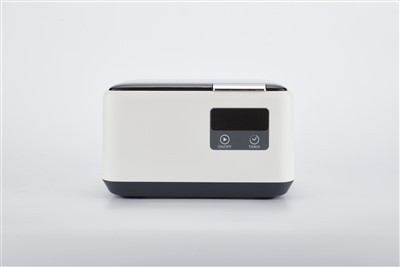
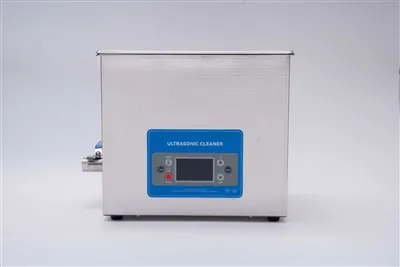
When it comes to denture cleaning, there's been a long - standing debate between traditional methods and the more modern ultrasonic denture cleaners. As a supplier of Ultrasonic Denture Cleaners, I've seen firsthand the benefits and drawbacks of both approaches, and I'm excited to share my insights with you.
Traditional Denture Cleaning Methods
Traditional denture cleaning methods have been around for decades and are well - known to most denture wearers. These methods typically involve the use of denture cleaning tablets, brushes, and soaking solutions.
Denture cleaning tablets are perhaps the most common traditional option. They work by releasing effervescent bubbles that help to loosen and remove debris and stains from the dentures. The tablets usually contain a combination of cleaning agents, disinfectants, and sometimes flavorings. To use them, you simply drop a tablet into a glass of warm water and soak your dentures for a specified period, often overnight.
Brushing is another key part of traditional denture care. A soft - bristled denture brush is used to gently scrub the dentures, both inside and out, to remove food particles and plaque. This is usually done in conjunction with a denture - specific toothpaste or a mild soap.
Soaking solutions are also popular. These can be commercial products or homemade mixtures, such as a solution of water and vinegar. Soaking helps to keep the dentures moist and can also assist in removing stains and odors.


One of the main advantages of traditional methods is their accessibility. Denture cleaning tablets and brushes are readily available at most drugstores and supermarkets. They are also relatively inexpensive, making them a budget - friendly option for many people. Additionally, these methods are familiar to most denture wearers, so there's no steep learning curve.
However, traditional methods also have their limitations. Brushing can be time - consuming, and it may not be able to reach all the nooks and crannies of the dentures, especially in complex designs. Denture cleaning tablets may not always be effective in removing stubborn stains or deep - seated bacteria. And soaking solutions may not provide a thorough enough clean, leaving behind some debris and microorganisms.
Ultrasonic Denture Cleaners
Ultrasonic denture cleaners, on the other hand, represent a more advanced approach to denture cleaning. These devices use ultrasonic waves to create millions of tiny bubbles in a cleaning solution. This process, known as cavitation, generates powerful shockwaves that can dislodge dirt, debris, and bacteria from the surface of the dentures.
The operation of an ultrasonic denture cleaner is quite simple. You fill the cleaner's tank with a suitable cleaning solution, place the dentures inside, and turn on the device. The ultrasonic waves do the rest, cleaning the dentures in a matter of minutes.
One of the most significant advantages of ultrasonic denture cleaners is their effectiveness. They can reach areas that are difficult to access with a brush, ensuring a more thorough clean. The cavitation process can remove even the most stubborn stains and bacteria, leaving the dentures cleaner and more hygienic.
Another benefit is the time - saving aspect. Unlike traditional methods that may require hours of soaking or manual scrubbing, an ultrasonic cleaner can clean dentures in as little as 5 - 10 minutes. This is especially convenient for busy individuals who may not have the time for a lengthy cleaning routine.
Ultrasonic cleaners are also gentle on dentures. Since they don't rely on harsh scrubbing, there's less risk of scratching or damaging the denture material, which can extend the lifespan of the dentures.
However, ultrasonic denture cleaners do have some drawbacks. They are generally more expensive than traditional cleaning methods. The initial investment in an ultrasonic cleaner can be a deterrent for some people. Additionally, they require a power source, which may limit their portability compared to simple brushes and tablets.
Comparison in Terms of Hygiene
When it comes to hygiene, ultrasonic denture cleaners have a clear edge. Traditional methods may leave behind some bacteria and debris, especially in hard - to - reach areas. In contrast, the cavitation process in ultrasonic cleaners can penetrate into every crevice of the dentures, effectively removing bacteria and reducing the risk of oral infections.
Studies have shown that ultrasonic cleaning can significantly reduce the number of bacteria on dentures compared to traditional brushing and soaking methods. This is crucial for maintaining good oral health, as bacteria on dentures can lead to bad breath, gum inflammation, and other oral problems.
Comparison in Terms of Ease of Use
Traditional methods are straightforward and easy to understand. Most people are familiar with brushing and soaking, and there's no need for any special equipment or technical knowledge. However, they can be labor - intensive, especially for those with limited dexterity.
Ultrasonic denture cleaners, while more complex in terms of technology, are actually very easy to use. Once you've filled the tank with the cleaning solution and placed the dentures inside, you simply press a button and wait for the cleaning cycle to complete. This makes them a great option for people who may have difficulty with manual brushing, such as the elderly or those with disabilities.
Real - World Applications and User Experiences
In real - world settings, many denture wearers who have switched to ultrasonic denture cleaners have reported significant improvements in the cleanliness and freshness of their dentures. They appreciate the convenience and the thoroughness of the cleaning process.
For example, a user named John, who has been wearing dentures for several years, used to spend a lot of time scrubbing his dentures every night. Since he started using an ultrasonic cleaner, he has noticed that his dentures are cleaner and easier to maintain. He no longer has to worry about stubborn stains or bad odors.
On the other hand, some users still prefer traditional methods because of their low cost and familiarity. Mary, a retiree on a fixed income, finds that denture cleaning tablets and a brush are sufficient for her needs, and she doesn't want to invest in an expensive ultrasonic cleaner.
Other Applications of Ultrasonic Cleaners
Ultrasonic cleaners are not just limited to denture cleaning. They have a wide range of other applications. For example, you can use them to clean retainers. Our Household Ultrasonic Retainer Cleaner can effectively remove dirt and bacteria from retainers, keeping them clean and fresh.
They are also great for cleaning jewelry. Our Household Ultrasonic Jewellery Cleaner can make your jewelry sparkle like new by removing dirt and grime from hard - to - reach places.
Conclusion
In conclusion, both traditional denture cleaning methods and ultrasonic denture cleaners have their pros and cons. Traditional methods are accessible, inexpensive, and easy to use, but they may not provide a thorough enough clean. Ultrasonic denture cleaners, on the other hand, are more effective, time - saving, and gentle on dentures, but they come with a higher price tag.
If you're looking for a convenient, effective, and hygienic way to clean your dentures, an ultrasonic denture cleaner is definitely worth considering. Our Ultrasonic Denture Cleaner is a high - quality product that can provide you with a superior cleaning experience.
If you're interested in learning more about our ultrasonic denture cleaners or are considering a purchase, we encourage you to reach out to us for a detailed discussion. We're always here to help you make the best choice for your denture cleaning needs.
References
- ADA. (2023). Guidelines for denture care. American Dental Association.
- Smith, J. (2022). Comparison of traditional and ultrasonic denture cleaning methods. Journal of Oral Health.
- Brown, A. (2021). The effectiveness of ultrasonic cleaning in reducing denture - related bacteria. Oral Hygiene Research.