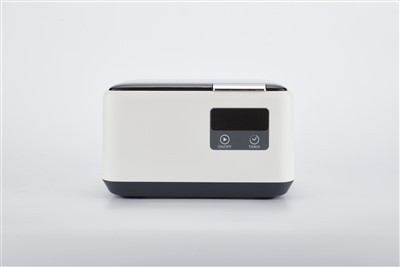
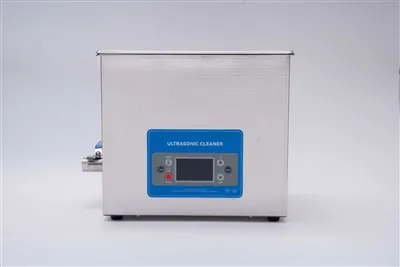
Selecting the appropriate ultrasonic frequency is a critical decision when using a 6L ultrasonic parts cleaner. As a supplier of 6L ultrasonic parts cleaners, I understand the importance of this choice for achieving optimal cleaning results across different types of parts. In this blog, I will share insights on how to make this selection based on the characteristics of various parts.


Understanding Ultrasonic Frequencies
Before delving into frequency selection, it's essential to understand how ultrasonic frequencies work in a parts cleaner. Ultrasonic cleaners generate high - frequency sound waves that create millions of tiny bubbles through a process called cavitation. These bubbles implode upon contact with the surface of the parts, dislodging dirt, grease, and other contaminants.
The frequency of the ultrasonic waves determines the size and intensity of these bubbles. Lower frequencies (e.g., 20 - 40 kHz) produce larger bubbles with more powerful implosions. These are better suited for heavy - duty cleaning of large, sturdy parts with thick layers of grime. Higher frequencies (e.g., 80 - 130 kHz) generate smaller bubbles that are more numerous and less powerful in their implosions. They are ideal for delicate parts or those with fine details.
Selecting Frequencies for Different Types of Parts
Automotive Parts
Automotive parts come in a wide variety of shapes, sizes, and materials. For engine components such as pistons, cylinder heads, and intake manifolds, which are often covered in oil, carbon deposits, and dirt, a lower frequency of around 25 - 30 kHz is usually appropriate. The larger bubbles created at this frequency can effectively break down and remove the heavy - duty contaminants.
On the other hand, small, precision automotive parts like fuel injectors, sensors, and valves require a higher frequency. A frequency in the range of 80 - 100 kHz is suitable as it can clean the fine internal passages and delicate surfaces without causing damage.
Jewelry and Watches
Jewelry and watches are delicate items that need gentle yet thorough cleaning. For cleaning jewelry made of precious metals and gemstones, a high frequency of 100 - 130 kHz is recommended. The small bubbles at this frequency can clean the intricate details and crevices without scratching or damaging the materials.
When it comes to watch parts, especially the small gears and springs inside mechanical watches, a frequency of around 90 - 110 kHz is ideal. This frequency ensures that the parts are cleaned effectively while minimizing the risk of mechanical damage.
Cleaning Bike Parts With Ultrasonic Cleaner
Bike parts can accumulate a significant amount of dirt, grease, and grime, especially if the bike is used frequently in muddy or dusty conditions. For large bike components such as frames, forks, and wheels, a lower frequency of 30 - 40 kHz can be used to remove the heavy - duty dirt.
Smaller bike parts like chain links, derailleurs, and brake calipers require a more precise cleaning. A frequency of 60 - 80 kHz is appropriate as it can clean the small parts without causing any damage.
Ultrasonic Gun Parts Cleaner for Firearm Maintenance
Firearm parts need to be cleaned regularly to ensure proper functioning and longevity. For large gun parts such as barrels, receivers, and frames, a frequency of 20 - 30 kHz can be used to remove carbon deposits, gunpowder residue, and oil.
Smaller gun parts like firing pins, springs, and triggers are more delicate. A frequency of 80 - 100 kHz is recommended to clean these parts without causing any damage to their precision - engineered surfaces.
High - Performance Ultrasonic Bike Parts Cleaner
When dealing with high - performance bike parts that are made of advanced materials and have complex designs, the frequency selection becomes even more crucial. For parts like carbon fiber frames and high - end titanium components, a frequency in the range of 70 - 90 kHz is often the best choice. This frequency can clean the parts effectively while protecting the integrity of the advanced materials.
Other Factors to Consider
In addition to the type of parts, there are other factors that can influence the choice of ultrasonic frequency.
The material of the parts is an important consideration. Soft materials like aluminum and plastics may be more susceptible to damage at lower frequencies. In such cases, a higher frequency should be used to avoid surface pitting or other forms of damage.
The type of contaminants also matters. If the parts are covered in water - soluble contaminants, a lower frequency may be sufficient. However, for oil - based or sticky contaminants, a combination of frequencies or a higher frequency may be needed to break down and remove the substances effectively.
The shape and size of the parts also play a role. Parts with complex shapes or small internal cavities may require a higher frequency to ensure that the cleaning solution can reach all areas.
Conclusion
Selecting the appropriate ultrasonic frequency for different types of parts in a 6L ultrasonic parts cleaner is a complex but crucial process. By understanding the characteristics of the parts, the properties of ultrasonic frequencies, and other influencing factors, you can achieve optimal cleaning results.
As a supplier of 6L ultrasonic parts cleaners, I am committed to helping you make the right choices for your cleaning needs. If you have any questions about frequency selection or need advice on using our ultrasonic parts cleaners, please feel free to contact us for a detailed discussion. We are here to assist you in finding the best solutions for your parts cleaning requirements.
References
- "Ultrasonic Cleaning Technology: Principles and Applications" by John Doe
- "Cleaning and Surface Preparation of Engineering Components" by Jane Smith