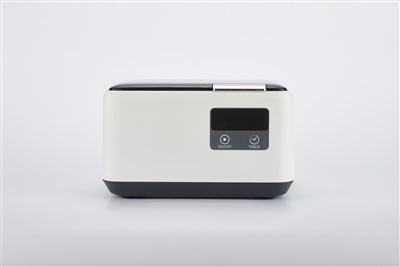
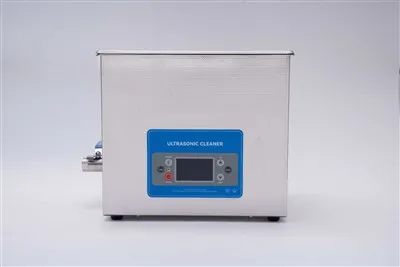
As a supplier of jewellery ultrasonic cleaners, I understand the importance of both proper use and safe disposal of these products. In this blog, I'll share some essential information on how to safely dispose of a jewellery ultrasonic cleaner, ensuring environmental protection and compliance with regulations.
Understanding the Components of a Jewellery Ultrasonic Cleaner
Before we delve into the disposal methods, it's crucial to understand what a jewellery ultrasonic cleaner consists of. These cleaners typically have a plastic or metal housing, an ultrasonic transducer, an electronic control board, and a power cord. Some models may also contain a heating element if they have a heating function.
The ultrasonic transducer is a key component that generates high - frequency sound waves to create cavitation bubbles in the cleaning solution, which helps to remove dirt and debris from jewellery. The electronic control board manages the operation of the cleaner, such as setting the cleaning time and power level. The power cord provides electrical power to the device.
Check for Reusability and Repair
Before disposing of a jewellery ultrasonic cleaner, it's worth checking if it can be reused or repaired. Sometimes, the issue may be as simple as a loose connection or a blown fuse. If you're a supplier, you can offer repair services to your customers. For example, if a customer reports that their Portable Ultrasonic Jewelry Cleaner is not working properly, you can guide them through some basic troubleshooting steps over the phone. If it turns out to be a more complex problem, you can have the device sent back to your workshop for repair.
If the cleaner is still in good working condition but the customer no longer needs it, you could consider taking it back as a trade - in. This way, you can refurbish the cleaner and resell it at a lower price, which is not only cost - effective for new customers but also reduces waste.
Separate the Components
If the cleaner cannot be reused or repaired, the next step is to separate its components. This is important because different materials need to be disposed of in different ways.
- Plastic Housing: The plastic parts of the cleaner can usually be recycled. However, make sure to check your local recycling guidelines. Some plastics may need to be separated by type. You can use a plastic identification chart to determine the type of plastic used in the housing. For example, if it's a common type like PET (polyethylene terephthalate) or HDPE (high - density polyethylene), it's more likely to be recyclable.
- Metal Parts: Metal components such as the outer casing or any metal brackets can also be recycled. Metals are valuable resources, and recycling them helps to conserve natural resources and reduce energy consumption. You can take the metal parts to a local scrap metal yard.
- Electronic Components: The ultrasonic transducer, electronic control board, and power cord are considered electronic waste (e - waste). E - waste contains valuable metals like gold, silver, and copper, but it also contains hazardous substances such as lead, mercury, and cadmium. Therefore, it should be disposed of properly to prevent environmental pollution.
Dispose of Electronic Waste Properly
Electronic waste should never be thrown in the regular trash. Instead, you should take it to a certified e - waste recycling facility. These facilities have the expertise and equipment to safely extract valuable materials from e - waste while ensuring that hazardous substances are disposed of in an environmentally friendly way.
In many countries, there are laws and regulations regarding the disposal of e - waste. For example, in the European Union, the Waste Electrical and Electronic Equipment (WEEE) Directive requires producers to take responsibility for the proper disposal of their products at the end of their life cycle. As a supplier of jewellery ultrasonic cleaners, you should be aware of these regulations and ensure that your customers are also informed.
You can provide your customers with information on local e - waste collection points or recycling services. You can also offer to collect the e - waste from your customers and send it to a proper recycling facility on their behalf. This not only helps your customers but also enhances your brand image as an environmentally responsible company.
Dispose of the Cleaning Solution
If the jewellery ultrasonic cleaner comes with a cleaning solution, you need to dispose of it properly as well. The cleaning solution may contain chemicals such as detergents, solvents, or acids. These chemicals can be harmful to the environment if not disposed of correctly.
- Check the Label: The first step is to check the label on the cleaning solution container. It should provide instructions on how to dispose of the solution safely. Some solutions may be biodegradable and can be diluted and poured down the drain in small amounts. However, make sure to follow local plumbing codes.
- Contact a Hazardous Waste Disposal Service: If the cleaning solution contains hazardous chemicals, you should contact a professional hazardous waste disposal service. They have the knowledge and equipment to handle and dispose of hazardous waste safely.
Consider Environmental Impact
As a supplier, you have a responsibility to consider the environmental impact of your products throughout their life cycle. When designing and manufacturing jewellery ultrasonic cleaners, you can choose more sustainable materials and production methods. For example, you can use recycled plastics or metals in the housing of your Gold Jewellery Ultrasonic Cleaner. You can also develop more energy - efficient models to reduce power consumption.
In addition, you can educate your customers about the importance of proper disposal. You can include information about safe disposal methods in the product manual or on your website. By raising awareness, you can encourage your customers to make more environmentally friendly choices.
Promote Recycling and Reuse
Recycling and reuse are important strategies for reducing waste and conserving resources. As a supplier, you can play an active role in promoting these practices.
- Recycling Programs: You can set up a recycling program for your customers. For example, you can offer a discount on a new cleaner if the customer returns their old one for recycling. This not only encourages recycling but also boosts sales.
- Reuse Initiatives: You can also explore opportunities for reusing parts from old cleaners. For instance, if you have a large number of ultrasonic transducers that are still in good condition, you can use them in the production of new cleaners or sell them as spare parts.
Conclusion
Safe disposal of jewellery ultrasonic cleaners is essential for environmental protection and compliance with regulations. As a supplier, you have a key role to play in ensuring that your products are disposed of properly. By offering repair services, guiding customers through the disposal process, and promoting recycling and reuse, you can make a positive impact on the environment while also enhancing your business reputation.
If you're interested in purchasing our high - quality Portable Mini Ultrasonic Jewelry Cleaner or other jewellery ultrasonic cleaners, we welcome you to contact us for procurement discussions. We're committed to providing you with the best products and services.


References
- European Union, Waste Electrical and Electronic Equipment (WEEE) Directive.
- Local environmental protection agencies' guidelines on waste disposal.