As a supplier of Ultrasonic Auto Parts Cleaners, I often get asked about how to check the ultrasonic waves in these machines. It's a crucial aspect because the effectiveness of an ultrasonic cleaner largely depends on the proper functioning of its ultrasonic waves. In this blog, I'll share some practical ways to check the ultrasonic waves in an ultrasonic auto parts cleaner.
First off, let's understand a bit about ultrasonic waves. Ultrasonic waves are high - frequency sound waves that are beyond the range of human hearing. In an ultrasonic auto parts cleaner, these waves create tiny bubbles through a process called cavitation. When these bubbles collapse near the surface of the parts being cleaned, they generate a powerful scrubbing action that removes dirt, grease, and other contaminants.
One of the simplest ways to check if the ultrasonic waves are working is the "aluminum foil test". You'll need a small piece of aluminum foil, about 3 - 4 inches square. First, fill the cleaner with the appropriate cleaning solution to the recommended level. Then, turn on the cleaner and let it run for a few minutes to stabilize. Gently lower the aluminum foil into the cleaning solution, making sure it's fully submerged.
If the ultrasonic waves are working correctly, you'll notice small pits or holes forming on the surface of the aluminum foil within a couple of minutes. This is because the collapsing bubbles from the cavitation process are powerful enough to damage the soft aluminum. If you don't see any pits or holes after 5 - 10 minutes, it could indicate that the ultrasonic waves aren't functioning as they should.
Another method is the "ping pong ball test". Take a standard ping pong ball and place it on the surface of the cleaning solution in the ultrasonic cleaner. When the cleaner is turned on, the ultrasonic waves will cause the ping pong ball to move erratically. The movement is a result of the pressure variations created by the cavitation bubbles. If the ball just sits still or moves very little, it might be a sign that the ultrasonic waves are weak or not working at all.
You can also use a stethoscope to listen for the ultrasonic waves. Although we can't hear the ultrasonic frequencies directly, the cavitation process produces a characteristic hissing or popping sound. Place the stethoscope on the side of the cleaner tank while it's running. A healthy ultrasonic cleaner will produce a consistent, distinct hissing sound. If the sound is weak, intermittent, or completely absent, there could be an issue with the ultrasonic generator or the transducers.
Now, let's talk about some common problems that can affect the ultrasonic waves. One of the most common issues is a faulty transducer. Transducers are the components that convert electrical energy into ultrasonic waves. Over time, they can wear out or get damaged. If you suspect a transducer problem, you might notice a decrease in the cleaning performance or no signs of cavitation at all.
Another problem could be a malfunctioning ultrasonic generator. The generator is responsible for producing the electrical signals that drive the transducers. If the generator isn't working properly, it won't be able to supply the right amount of power to the transducers, resulting in weak or non - existent ultrasonic waves.
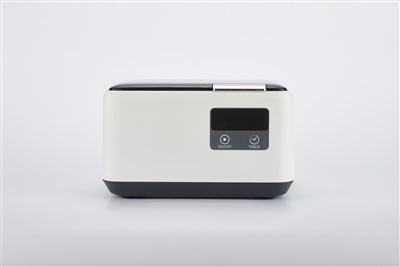
As a supplier, we offer a range of high - quality ultrasonic auto parts cleaners. For example, our 6L Ultrasonic Parts Cleaner is perfect for small - scale cleaning jobs. It's compact, easy to use, and provides efficient cleaning with strong ultrasonic waves.
If you're into DIY projects, our DIY Ultrasonic Parts Cleaner is a great option. It allows you to customize the cleaning process according to your needs and gives you the flexibility to clean different types of auto parts.


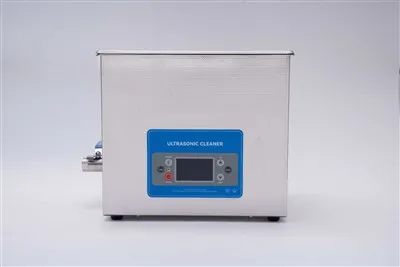
For larger cleaning tasks, our 15L Capacity Heavy - Duty Parts Cleaning Machine is a workhorse. With its large capacity and powerful ultrasonic waves, it can handle heavy - duty cleaning of big auto parts.
Regular maintenance is also essential to keep the ultrasonic waves working at their best. Make sure to clean the cleaner tank regularly to remove any debris or sediment that could interfere with the cavitation process. Check the cleaning solution level and quality frequently. Using the right cleaning solution is crucial as the wrong one can reduce the effectiveness of the ultrasonic waves.
In conclusion, checking the ultrasonic waves in an ultrasonic auto parts cleaner is not overly complicated. By using simple tests like the aluminum foil test, ping pong ball test, or listening with a stethoscope, you can quickly determine if the ultrasonic waves are working properly. If you encounter any issues, don't hesitate to reach out to us. As a reliable supplier, we're here to help you with any questions or problems you might have regarding our ultrasonic auto parts cleaners. Whether you're a professional mechanic or a DIY enthusiast, our products are designed to meet your cleaning needs.
If you're interested in purchasing an ultrasonic auto parts cleaner or have any inquiries about our products, feel free to contact us for a detailed discussion. We'll be more than happy to assist you in finding the perfect cleaner for your requirements.
References
- "Ultrasonic Cleaning Technology" - A technical guide on ultrasonic cleaning principles and applications.
- "Maintenance and Troubleshooting of Ultrasonic Cleaners" - A handbook for keeping ultrasonic cleaners in good working condition.