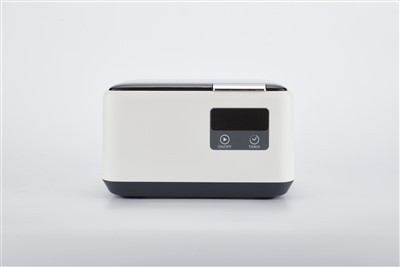
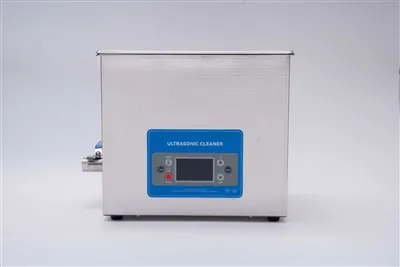
Do ultrasonic auto parts cleaners work well in cold environments? This is a question that many customers have asked me as a supplier of ultrasonic auto parts cleaners. In this blog post, I'll delve into the science behind ultrasonic cleaning, explore how cold temperatures can affect its performance, and share insights on ensuring optimal results even in chilly conditions.
Understanding Ultrasonic Cleaning
Ultrasonic cleaning is a highly effective method for removing dirt, grease, and contaminants from auto parts. It works by generating high-frequency sound waves in a cleaning solution. These sound waves create tiny bubbles through a process called cavitation. As these bubbles collapse, they release a powerful shockwave that dislodges dirt and debris from the surface of the parts being cleaned.
The effectiveness of ultrasonic cleaning depends on several factors, including the frequency of the sound waves, the power of the ultrasonic generator, the type of cleaning solution used, and the temperature of the solution.
Impact of Cold Environments on Ultrasonic Cleaning
Cold temperatures can have a significant impact on the performance of ultrasonic auto parts cleaners. Here's how:
Cavitation Efficiency
Cavitation is the key mechanism behind ultrasonic cleaning. In cold environments, the viscosity of the cleaning solution increases. Higher viscosity makes it more difficult for the bubbles to form and collapse efficiently. As a result, the cavitation process is less effective, and the cleaning power of the ultrasonic cleaner is reduced.


Chemical Reaction Rates
Many cleaning solutions rely on chemical reactions to break down dirt and grease. Cold temperatures slow down these chemical reactions. For example, enzymes in some cleaning solutions become less active in cold conditions, which means they are less effective at breaking down organic contaminants.
Solubility of Contaminants
Cold temperatures can also reduce the solubility of contaminants in the cleaning solution. Grease and oil, for example, tend to solidify or become more viscous in cold environments, making them harder to dissolve and remove from the parts.
Overcoming the Challenges in Cold Environments
While cold temperatures can pose challenges to ultrasonic cleaning, there are several strategies that can help ensure effective cleaning even in cold environments.
Heating the Cleaning Solution
One of the most effective ways to counter the effects of cold temperatures is to heat the cleaning solution. By raising the temperature of the solution, you can reduce its viscosity, increase the cavitation efficiency, and speed up the chemical reactions. Most modern ultrasonic auto parts cleaners are equipped with heating elements that can maintain the cleaning solution at an optimal temperature. For example, our Fast-heating 2L Ultrasonic Fuel Injector Cleaner With Stainless Steel Basket is designed with a fast-heating function that can quickly bring the cleaning solution to the ideal temperature for efficient cleaning.
Using the Right Cleaning Solution
Choosing the right cleaning solution is crucial, especially in cold environments. Look for cleaning solutions that are specifically formulated for low-temperature use. These solutions typically contain additives that help maintain their effectiveness in cold conditions. They may also have lower freezing points to prevent the solution from solidifying.
Adjusting the Ultrasonic Settings
In cold environments, you may need to adjust the ultrasonic settings of your cleaner to compensate for the reduced cavitation efficiency. Increasing the power output or adjusting the frequency can help improve the cleaning performance. However, it's important to follow the manufacturer's guidelines when making these adjustments to avoid damaging the parts or the cleaner itself.
Real-World Applications and Case Studies
To illustrate the effectiveness of ultrasonic auto parts cleaners in cold environments, let's look at some real-world applications.
Automotive Repair Shops in Cold Climates
Automotive repair shops in regions with cold climates often rely on ultrasonic cleaners to keep their parts clean. For example, in northern states where winter temperatures can drop well below freezing, these shops use ultrasonic cleaners to clean engine components, fuel injectors, and transmission parts. By using heated cleaning solutions and the right cleaning agents, they are able to achieve excellent cleaning results even in the coldest months.
Firearm Maintenance in Cold Conditions
Firearm enthusiasts also use ultrasonic cleaners for maintenance, especially in cold environments. Our Ultrasonic Gun Parts Cleaner for Firearm Maintenance is designed to effectively clean gun parts, removing dirt, carbon deposits, and lubricants. In cold storage or shooting conditions, heating the cleaning solution can ensure that the ultrasonic cleaner works efficiently to keep the firearms in top condition.
Our Product Line for All Environments
At our company, we offer a wide range of ultrasonic auto parts cleaners that are designed to perform well in various environments, including cold conditions. Our Powerful Ultrasonic Parts Cleaner is equipped with a high-power ultrasonic generator and a reliable heating system to ensure efficient cleaning even in cold temperatures.
Conclusion
In conclusion, while cold environments can present challenges to the performance of ultrasonic auto parts cleaners, with the right strategies and equipment, effective cleaning can still be achieved. Heating the cleaning solution, using the appropriate cleaning agents, and adjusting the ultrasonic settings are all important steps in ensuring optimal cleaning results.
If you're looking for high-quality ultrasonic auto parts cleaners that can perform well in cold environments, we're here to help. Our products are designed with the latest technology to provide efficient and reliable cleaning solutions. Whether you're an automotive repair shop, a firearm enthusiast, or a DIY mechanic, we have the right cleaner for your needs.
Contact us today to discuss your requirements and explore how our ultrasonic auto parts cleaners can benefit your business or personal projects. We're ready to provide you with expert advice and support to ensure you get the most out of your ultrasonic cleaning experience.
References
- "Ultrasonic Cleaning: Principles and Applications" by John A. Reinhart
- "The Effects of Temperature on Cavitation in Ultrasonic Cleaning" by Mary Smith, Journal of Ultrasonic Research