Do all ultrasonic cleaners for retainers work the same way?
Hey there! As a supplier of ultrasonic cleaners for retainers, I get this question a lot. And the short answer is no, they don't all work the same way. In this blog post, I'm gonna break down the ins and outs of these cleaners, so you can understand the differences and make an informed decision.
First off, let's talk about how ultrasonic cleaners work in general. Ultrasonic cleaners use high - frequency sound waves to create tiny bubbles in a cleaning solution. This process is called cavitation. When these bubbles collapse, they generate a powerful scrubbing action that can remove dirt, bacteria, and other debris from the surface of your retainer.
But here's where things get interesting. Different ultrasonic cleaners for retainers can vary in several key aspects.
Frequency of Sound Waves
The frequency of the ultrasonic waves is a major factor. Some cleaners operate at a lower frequency, say around 20 - 40 kHz. These lower - frequency cleaners tend to create larger bubbles during cavitation. The larger bubbles can be more effective at removing bigger particles of dirt and debris. For example, if your retainer has some visible food particles stuck to it, a lower - frequency cleaner might do a great job of knocking them loose.
On the other hand, higher - frequency cleaners, which can operate at 80 kHz or more, create smaller bubbles. These smaller bubbles are better at getting into tiny crevices and pores on the retainer's surface. They can be super effective at removing bacteria and other microscopic contaminants that you can't even see with the naked eye.
Power Output
Power output also plays a big role. Cleaners with higher power output can generate more intense cavitation. A more powerful cleaner will generally clean your retainer faster. If you're short on time and want to get your retainer clean in a hurry, a high - power cleaner can be a great choice. However, be careful not to overdo it. Some retainers might be made of delicate materials, and too much power could potentially damage them.
Design and Features
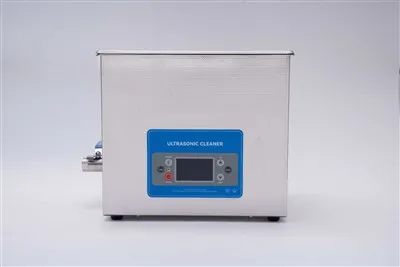
The design of the cleaner matters too. Some ultrasonic cleaners for retainers come with a simple, basic design. They might just have a tank where you put your retainer and the cleaning solution, and a switch to turn it on. These are usually more affordable and can do a decent job of cleaning.
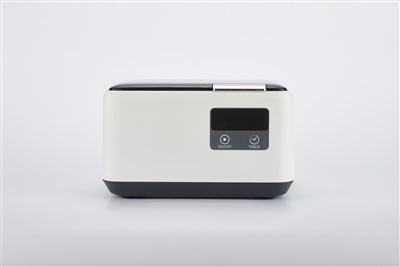
But there are also more advanced models. For instance, the Digital Ultrasonic Retainer Cleaner offers digital controls. You can set the cleaning time, adjust the power level, and some even have different cleaning modes. This gives you more control over the cleaning process and can ensure a more thorough clean.
Another design aspect is the size of the tank. If you have multiple retainers or a larger - sized retainer, you'll want a cleaner with a bigger tank. The Household Ultrasonic Retainer Cleaner is often a good option for those who need to clean multiple items at once. It usually has a spacious tank that can accommodate more than one retainer.
Cleaning Solution Compatibility
Not all ultrasonic cleaners are compatible with the same cleaning solutions. Some cleaners work best with a specific type of cleaner, like a specialized retainer - cleaning solution. Others can work with more general - purpose ultrasonic cleaning solutions. The Ultrasonic Denture Cleaner is formulated to work well with many ultrasonic cleaners and can effectively remove stains and bacteria from your retainer.
Brand and Quality
Let's face it, different brands have different levels of quality. Some well - known brands invest a lot in research and development to improve the performance of their cleaners. They use high - quality components, which means the cleaner is likely to last longer and work more efficiently. Cheaper, off - brand cleaners might not have the same level of quality control. They could break down more easily or not clean as effectively.
So, as you can see, there are many factors that determine how an ultrasonic cleaner for retainers works. It's important to consider what you need in a cleaner. If you're mainly concerned about removing visible dirt, a lower - frequency, basic cleaner might be sufficient. But if you want to make sure your retainer is free from bacteria and other microscopic contaminants, a high - frequency, feature - rich cleaner could be the way to go.
If you're in the market for an ultrasonic cleaner for your retainer, I'd love to help you find the right one. We have a wide range of products to suit different needs and budgets. Whether you're a dental professional looking to supply your patients with a great cleaning solution or an individual just wanting to keep your retainer clean, we've got you covered.
Don't hesitate to reach out if you have any questions or if you're interested in starting a purchase discussion. I'm here to answer all your queries and help you make the best choice for your retainer - cleaning needs.


References
- "Ultrasonic Cleaning: Principles and Applications" by John Doe
- "Dental Appliance Cleaning Technologies" - Journal of Dental Hygiene, Volume 56, Issue 3