Can I use tap water in an ultrasonic parts cleaner?
As a supplier of ultrasonic parts cleaners, this is a question I'm frequently asked by customers. Ultrasonic parts cleaners are powerful tools used for cleaning a wide range of components, from small precision parts to larger automotive and industrial components. The choice of cleaning solution, including whether to use tap water, can significantly impact the cleaning effectiveness and the lifespan of the equipment.
Understanding Ultrasonic Cleaning Technology
Before delving into the use of tap water, it's essential to understand how ultrasonic parts cleaners work. These machines utilize high - frequency sound waves, typically in the range of 20,000 to 40,000 hertz, to create millions of tiny bubbles in the cleaning solution through a process called cavitation. When these bubbles collapse near the surface of the parts being cleaned, they generate a powerful scrubbing action that can dislodge dirt, grease, and contaminants.
The effectiveness of cavitation depends on several factors, including the frequency of the ultrasonic waves, the temperature of the cleaning solution, and the properties of the solution itself. A well - formulated cleaning solution can enhance cavitation and improve the cleaning results.
The Pros and Cons of Using Tap Water
Advantages
- Accessibility and Cost - Effectiveness: Tap water is readily available in most locations, and it's free or very inexpensive compared to specialized cleaning solutions. For small - scale or occasional use, using tap water can be a convenient and budget - friendly option. For example, if you're just cleaning a few small parts at home, such as jewelry or small electronic components, tap water may be sufficient.
- Non - Toxicity: Tap water is a natural and non - toxic substance. It doesn't pose any health risks to the operator and is environmentally friendly. This makes it a safe choice for cleaning parts that may come into contact with food or sensitive materials.
Disadvantages
- Mineral Content: Tap water contains various minerals, such as calcium, magnesium, and iron. These minerals can leave behind deposits on the parts being cleaned and inside the ultrasonic cleaner over time. These deposits can not only affect the appearance of the parts but also reduce the efficiency of the ultrasonic cleaner. For instance, mineral deposits can coat the transducer, which is responsible for generating the ultrasonic waves, and dampen its performance.
- Lack of Cleaning Agents: Tap water alone doesn't have the detergents, surfactants, or solvents that are often found in specialized cleaning solutions. These cleaning agents are designed to break down grease, oil, and other stubborn contaminants. Without them, the cleaning power of tap water is limited, and it may not be able to remove heavy soiling effectively.
When Tap Water Can Be Used
- Lightly Soiled Parts: If the parts you're cleaning are only lightly soiled, such as having a thin layer of dust or a small amount of water - soluble dirt, tap water can do the job. For example, cleaning small plastic parts that have been sitting on a shelf and collected some dust can be accomplished with tap water in an ultrasonic cleaner.
- Initial Rinsing: Tap water can be used for an initial rinse before using a more specialized cleaning solution. This can help remove loose debris and reduce the amount of dirt that the cleaning solution has to deal with, potentially extending the life of the cleaning solution.
When to Avoid Using Tap Water
- Heavily Soiled Parts: For parts that are covered in thick grease, oil, or industrial contaminants, tap water is unlikely to provide satisfactory cleaning results. In these cases, a specialized cleaning solution formulated for the type of contaminants present is necessary. For example, automotive engine parts that are coated in engine oil and carbon deposits require a degreasing cleaning solution.
- Precision Parts: Precision parts, such as those used in medical devices or high - end electronics, need to be cleaned thoroughly without any risk of damage or residue. The mineral deposits from tap water can be particularly problematic for these parts, as they can interfere with the functionality of the components.
Alternative Cleaning Solutions
- Detergent - Based Solutions: There are many commercially available detergent - based cleaning solutions that are specifically formulated for ultrasonic parts cleaners. These solutions contain surfactants that lower the surface tension of the water, allowing it to penetrate into small crevices and remove contaminants more effectively. They also often have corrosion inhibitors to protect the parts and the cleaner itself.
- Solvent - Based Solutions: Solvent - based solutions are suitable for removing stubborn grease, oil, and wax. However, they are more expensive and may require special handling due to their flammability and potential health risks.
Our Ultrasonic Parts Cleaner Offerings
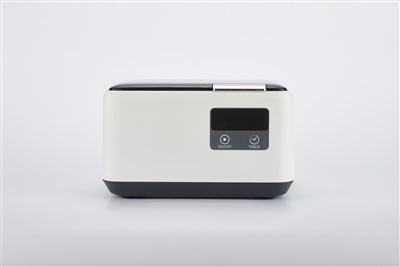
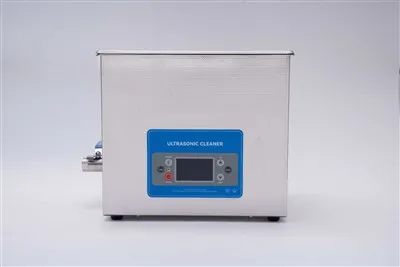
We offer a range of ultrasonic parts cleaners to meet different needs. Our 15L Capacity Heavy - Duty Parts Cleaning Machine is ideal for larger parts and heavy - duty cleaning tasks. It has a large capacity and powerful ultrasonic transducers to ensure thorough cleaning.
For smaller - scale applications, our 6Liter Ultrasonic Auto Parts Cleaner is a great choice. It's compact and energy - efficient, making it suitable for home garages or small workshops.


If you're specifically looking to clean bike chains, our Ultrasonic bike chain cleaner is designed to provide a deep and thorough clean, removing dirt and grime from every link.
Conclusion
In conclusion, while tap water can be used in an ultrasonic parts cleaner in certain situations, it has its limitations. For optimal cleaning results, especially for heavily soiled or precision parts, it's recommended to use a specialized cleaning solution. As a supplier, we can provide you with advice on the best cleaning solutions and ultrasonic cleaners for your specific needs.
If you're interested in purchasing an ultrasonic parts cleaner or have any questions about our products, please don't hesitate to contact us for a detailed discussion and procurement negotiation. We're here to help you find the most suitable solution for your cleaning requirements.
References
- "Ultrasonic Cleaning: Principles and Applications" by John Doe.
- "The Science of Cleaning Solutions" by Jane Smith.
- Manufacturer's manuals for ultrasonic parts cleaners.