Hey there, jewelry lovers! As a supplier of ultrasonic cleaners for jewelry, I get asked a ton of questions about what you can and can't clean in these nifty machines. One of the most common queries is, "Can I clean jewelry with pearls and other gemstones in an ultrasonic cleaner?" Well, let's dive right into it and find out.
First off, let's talk about how ultrasonic cleaners work. These machines use high - frequency sound waves to create tiny bubbles in a cleaning solution. When these bubbles collapse, they generate a small amount of energy that helps to dislodge dirt, grime, and other contaminants from the surface of the jewelry. It's a pretty cool technology, and it can do wonders for a lot of different types of jewelry.
Now, let's start with pearls. Pearls are beautiful, but they're also quite delicate. They're made of a substance called nacre, which is a bit like mother - of - pearl. This material is relatively soft and can be easily damaged. Ultrasonic cleaners can be too harsh for pearls. The rapid movement of the bubbles and the energy they release can cause the nacre to wear away over time. Also, if the pearl has any cracks or weak spots, the pressure from the ultrasonic waves could potentially cause the pearl to split or break. So, in general, it's not a good idea to clean pearls in an ultrasonic cleaner. If you want to clean your pearl jewelry, a soft, damp cloth is usually the best way to go. Just gently wipe the pearls to remove any dirt or oils.
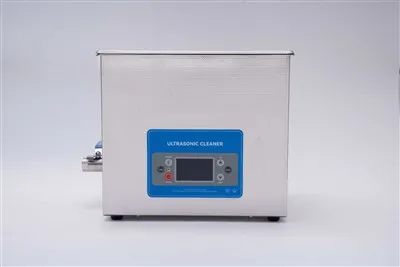
What about other gemstones? Well, it depends on the type of gemstone. Some gemstones are tough and can handle the cleaning process in an ultrasonic cleaner just fine. For example, diamonds are one of the hardest substances on Earth. They can withstand the high - frequency vibrations and the pressure from the collapsing bubbles. So, if you have diamond jewelry, it's usually safe to clean it in an ultrasonic cleaner. You can use a Professional Heated Ultrasonic Jewelry Cleaner for a more thorough clean, especially if your diamond ring has a lot of dirt and grime around the settings.


On the other hand, there are many gemstones that are more fragile. Opals, for instance, are made up of a lot of water. The ultrasonic waves can cause the water in the opal to evaporate too quickly, which can lead to cracking and damage. Emeralds are also quite soft and can have inclusions (tiny cracks or imperfections inside the stone). The pressure from the ultrasonic cleaner could cause these inclusions to expand or the stone to break. So, opals and emeralds should definitely be kept out of the ultrasonic cleaner.
Some semi - precious stones like turquoise and lapis lazuli are porous. They can absorb the cleaning solution used in the ultrasonic cleaner, which can change their color and damage their structure. So, these stones are also no - go for ultrasonic cleaning.
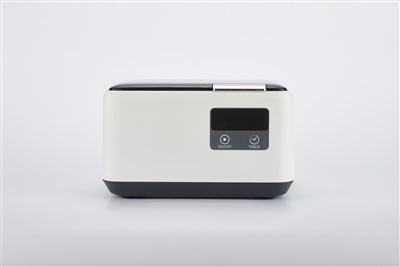
However, there are some semi - precious stones that are okay to clean in an ultrasonic cleaner. Garnets, amethysts, and citrines are relatively hard and stable. They can usually handle the cleaning process without any problems. You can use a Table Top Ultrasonic Jewellery Cleaner for these types of jewelry, which is convenient and easy to use at home.
Now, if your jewelry has a combination of different gemstones and metals, things get a bit more complicated. You need to consider each component separately. For example, if you have a gold necklace with diamonds and pearls, you can't just toss it into the ultrasonic cleaner. You'd have to remove the pearls first and only clean the gold and diamond parts. A Gold Jewellery Ultrasonic Cleaner is specifically designed to clean gold jewelry and can do a great job on the gold part of your piece.
Another thing to keep in mind is the setting of the gemstones. If the gemstones are held in place with glue or a weak setting, the ultrasonic waves could loosen them. So, before you put any jewelry in the ultrasonic cleaner, it's a good idea to check the settings to make sure they're secure.
In summary, while ultrasonic cleaners are great for cleaning a lot of different types of jewelry, they're not suitable for all gemstones. Pearls, opals, emeralds, turquoise, and lapis lazuli should be avoided. On the other hand, diamonds, garnets, amethysts, and citrines can usually be cleaned safely. When in doubt, it's always a good idea to consult a professional jeweler.
If you're in the market for an ultrasonic cleaner for your jewelry, we've got a great range of products to choose from. Our cleaners are designed to be effective and safe for the jewelry that can handle ultrasonic cleaning. Whether you're a jewelry enthusiast or a professional jeweler, our products can meet your needs.
If you're interested in learning more about our ultrasonic cleaners or want to discuss your specific requirements, don't hesitate to reach out. We're always happy to help you find the right cleaner for your jewelry. Let's start a conversation and see how we can make your jewelry sparkle!
References:
- "Gemstone Encyclopedia" by Robert Weldon
- "The Care and Cleaning of Jewelry" by various experts in the jewelry industry